The 12 Best Medical Schools in Texas, Ranked for 2026
Sixteen schools. Four cut. Twelve ranked on where the graduates match, what a year costs, and how honest each school is about your odds.
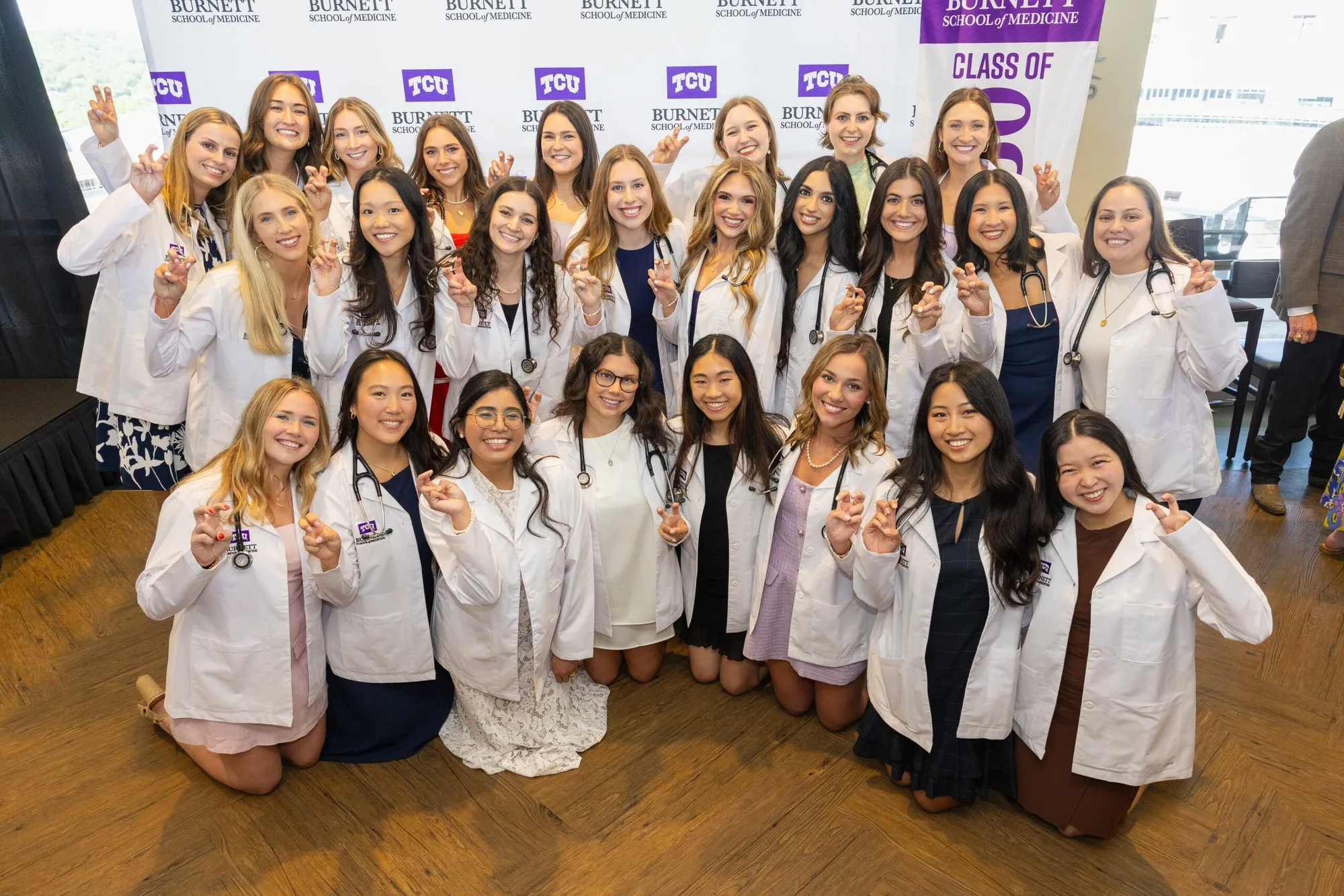
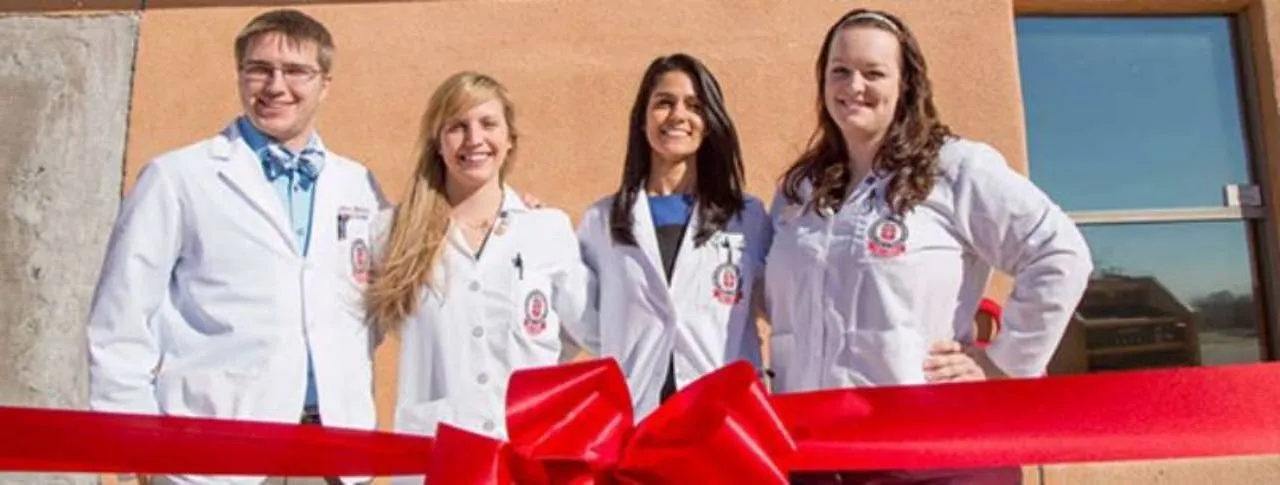
Students in the Burnett School of Medicine's Class of 2030 gathered in Fort Worth for their July 2026 white coat celebration. Glen Ellman and Laura McCarthy / Burnett School of Medicine at TCU
Baylor College of Medicine in Houston is the best medical school in Texas. It took 5,674 applications for 2025-26 and admitted 5.3 percent. Its students pass Step 1 at 99.3 percent. Its graduates leave with about $135,892 in debt, far below the private school average.
Top pick
Baylor College of Medicine: the best research money, board scores and debt numbers in the state.
Best value
Texas College of Osteopathic Medicine: $14,501.34 in tuition and fees for a Texas resident, year one.
Best for research
UT Southwestern Medical School: $816.6 million in research support in fiscal 2025.
Best match record
McGovern Medical School: all 245 members of the Class of 2026 matched.
Best small program
Dell Medical School: 50 seats a year, and every 2026 student who matched placed.
We started with all 16 medical schools in Texas and checked each one on August
2, 2026. We wanted one thing first: how much a school tells you before you spend
$235 to apply. The gap is huge. A few print their applications, interviews and
offers two years running.
Others give you a class size and nothing more.
Thirteen of the 16 give an MD. Three give a DO, the osteopathic degree. Both
make you a licensed doctor, and both feed the same residency system.
Four schools came off the list. The University of Houston and UT Tyler are still
working through accreditation, and neither has much of a match record yet. Match
Day is the March morning when a national computer tells each graduating student
which hospital will train them next. Where a school’s graduates land is the
clearest signal of how good it is.
The other two schools are private. They charge
$64,875 and $75,700 a year. Texas public schools charge a resident $21,532 to
$30,213 for the first year.
That leaves 12, scored on the same three things below. The famous names are here.
Baylor is first and UT Southwestern second. What may surprise you is how high a
public osteopathic school lands on price alone. It may surprise you more how far
a school with a 98 percent match rate can fall once you ask what its students
scored.
At a Glance
The top of the ranking, side by side. Scroll sideways on a phone for price and rating.
A table of all 12 schools showing rank, city, our score, class size, first year in-state price and what each school is known for.
We measured all 16 Texas medical schools against three things, then ranked the 12 that cleared the bar:
1Match record. We read each school's own March 2026 match release. We counted what it said: how many graduates matched, how many stayed in Texas, and how many went into primary care.
2Cost and debt. We pulled first year tuition and fees off each school's own sheet. We kept in-state and out-of-state apart. We noted the year each sheet covers.
3Odds you can check. We looked for a printed class profile. That means applicants, interviews, offers, average MCAT, average GPA, and how many seats went to Texans. Schools that print nothing scored low.
All of it came off official pages we read on August 2, 2026. We used admissions pages, class profiles, tuition sheets, March 2026 match releases, the LCME and COCA lists of approved schools, and NIH funding notices. We did not visit a campus. We did not sit in on a class. We did not talk to a student or a dean. Where a school printed two numbers that did not agree, we say so. We do not pick the kinder one. Each card score is the plain average of the three things above. That is why a school can match its students well and still land in the middle of this list.
The 12 Best Medical Schools in Texas, Ranked
Every school written up in full below, with what it prints and what it will not.
1
No. 1: Baylor College of Medicine
Houston★4.9(1,038 people interviewed for 215 MD seats in 2025-26)★Price: $30,213 in-state, year one
The only Texas school that shows two straight years of who applied and who got in.
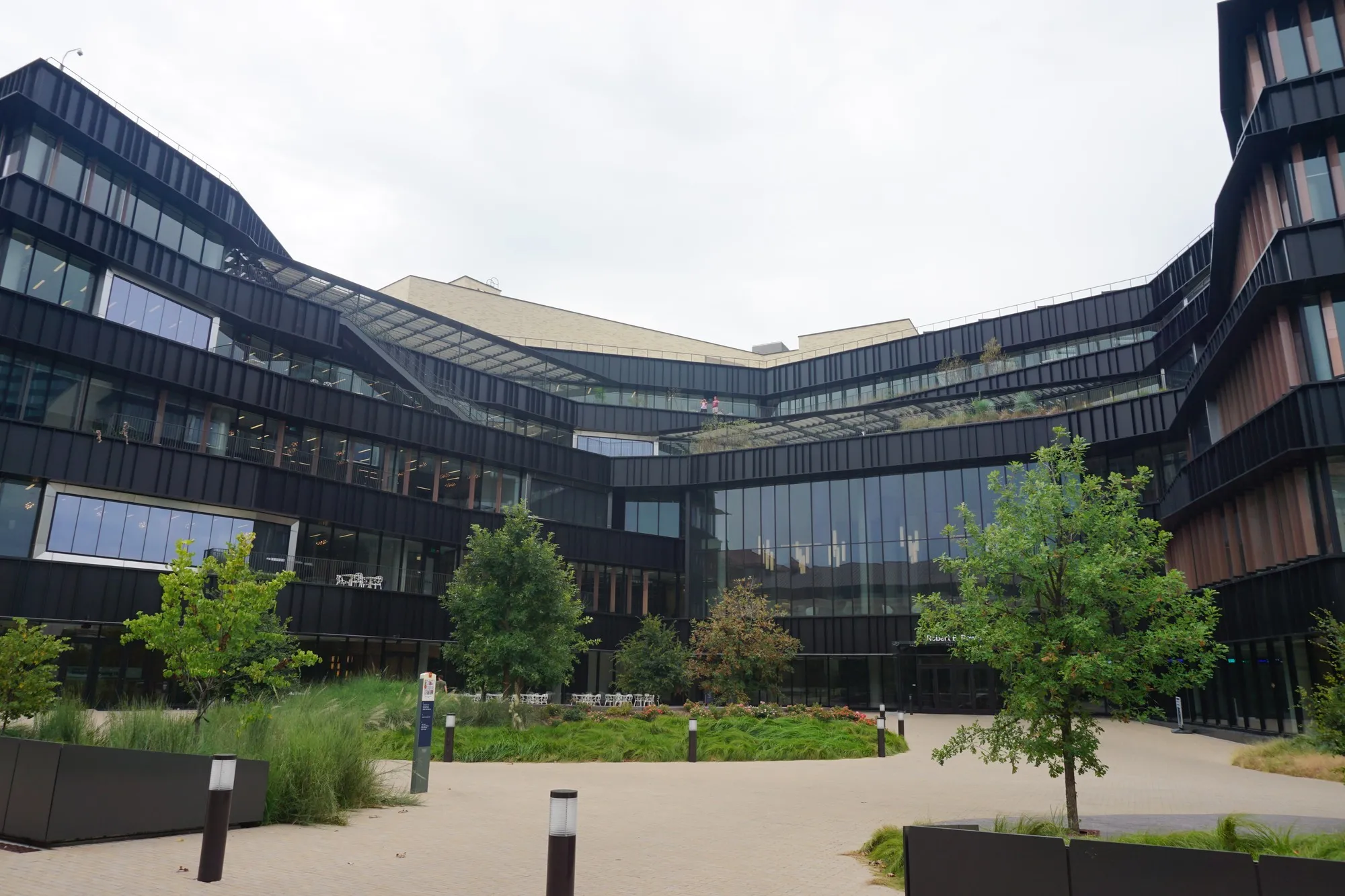
Baylor's medical students train in the middle of the Texas Medical Center, near Texas Children's and Ben Taub. Baylor College of Medicine / Official website
No school in Houston shows its work like this one. For the 2025-26 cycle it
took 5,674 applications and made 298 offers. The year before it took 5,228 and
made 302. You can read both years side by side. You can watch the odds tighten.
None of the other 15 schools let you do that.
The results hold up. Step 1 and Step 2 are the national license exams every MD
student has to pass. Students here clear Step 1 at 99.3 percent, against a
national 95.3 percent. They average 255 on Step 2, against a national 247.
In
March 2026, 72 graduates went into primary care. Another 53 stayed here to
train. The school has led Texas in federal research money since 2001.
Being private does not open the door as wide as it sounds. The state cap on
out-of-state students does not apply here. Even so, 92 percent of the class is
Texan. If you live elsewhere the school can take you.
In practice almost no one
from out of state gets a seat. Apply through TMDSAS by October 1. The MD/PhD
track runs on AMCAS instead.
Best for: a student aiming at a research career who
wants the lowest debt load in the state.
How it scored
Match record
5.0 out of 5
Cost and debt
4.6 out of 5
Odds you can check
5.0 out of 5
Key facts
Founded
1900
Class size
225 first-year students in 2025-26, 215 MD and 10 MD/PhD
Admit rate
5.3 percent for 2025-26
Class stats
Average MCAT 518.1 and GPA 3.94
Tuition
In-state $30,213.10 and out-of-state $43,313.10 for 2025-26
Apply through
TMDSAS for the MD
Pros
Prints applicants, interviews, offers and enrollment for two straight years
Ranked 20th nationally for NIH funding at $319 million in 2024
Average debt at graduation of $135,892 against $222,381 at private schools
Cons
In-state charges of $30,213 run higher than any public school on this list
The class is 92 percent Texan even though the school is private
Dallas★4.7(227 students in the entering Class of 2028)★Price: $25,436 in-state, year one
Six Nobel laureates, Parkland across the street, and a third of the class staying home to train.
The medical school sits on a large clinical and research campus along Harry Hines Boulevard. Nightryder84 / Wikimedia Commons (CC BY-SA 4.0)
Six faculty here have won Nobel Prizes since 1985. The research budget that
keeps them in Dallas hit $816.6 million in fiscal 2025. That paid for 6,215
active projects. That total covers every funding source. Federal grants are
one part of it. Read it as a measure of size.
Students train at Parkland Memorial, the county hospital that takes the hardest
cases in Dallas. Clements University Hospital sits next door. On March 20,
2026, 239 students matched into more than 80 programs. Eighty-one of them
stayed here to train, about a third of the class. Internal medicine, pediatrics
and psychiatry led the list. A few landed at Johns Hopkins and Stanford.
What the school will not say is the frustrating part. There is no applicant
count, no interview count, no admit rate. You cannot tell how your file
compares. In August 2026 the class profile on the site still described the
Class of 2028, so the newest public numbers are two cycles old. The one number it does
give up tells an out-of-state applicant most of what it needs to.
Worth knowing: the school runs its own MD tracks in
community health, global health, medical education and research.
How it scored
Match record
4.9 out of 5
Cost and debt
4.9 out of 5
Odds you can check
4.4 out of 5
Key facts
Founded
1943
Class size
227 students in the Class of 2028
Class stats
Average MCAT 516 and GPA 3.89
Tuition
In-state $25,436 and out-of-state $38,536 for 2026-27
Texas residents
90 percent of the class
Apply through
TMDSAS
Pros
Six faculty members have won Nobel Prizes since 1985
239 students matched in March 2026 across more than 80 programs
Students train at Parkland Memorial, the county hospital in Dallas
Cons
Prints no applicant count and no admit rate at all
The class profile on the site is still the Class of 2028, two cycles behind
No. 3: McGovern Medical School at UTHealth Houston
Houston★4.6(240 students in the entering Class of 2029)★Price: $29,603 in-state, year one
Every single graduate matched in 2026, out of the largest MD class the state builds.
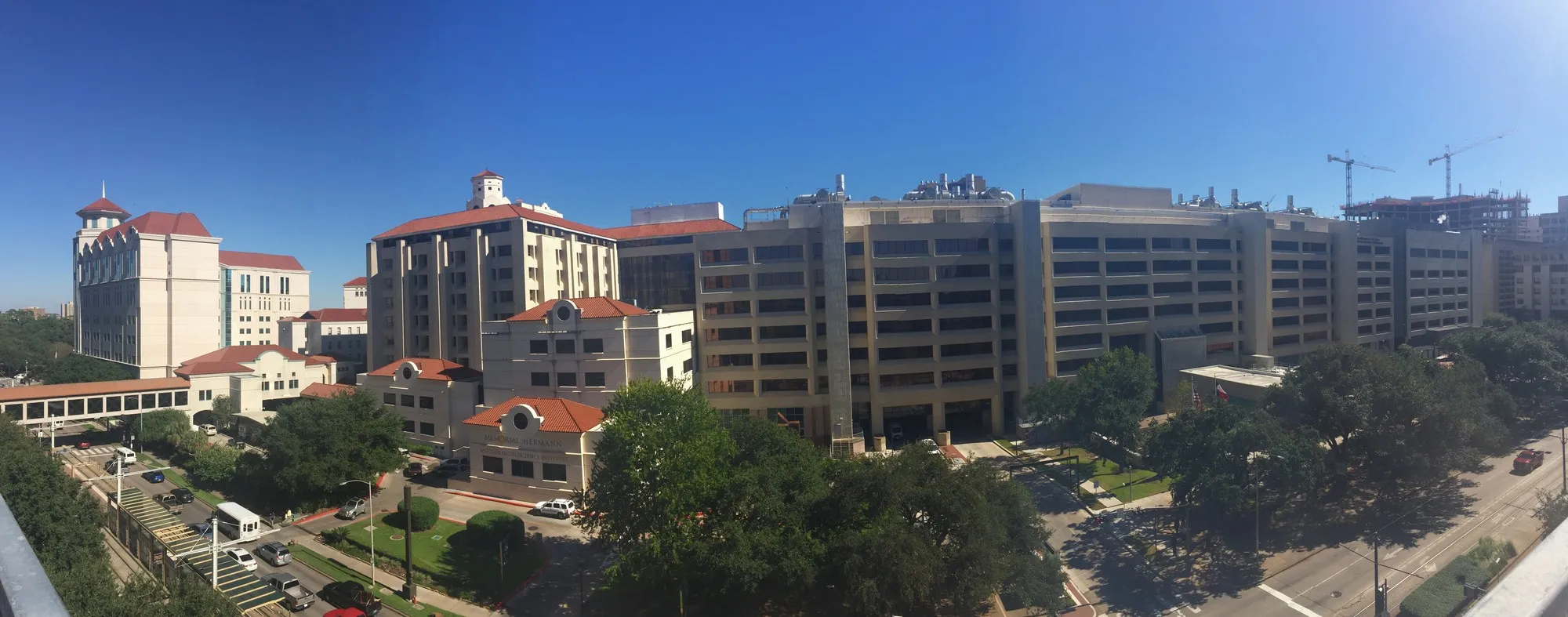
The school sits beside Memorial Hermann, with a light rail stop at its Fannin Street entrance. Montesq / Wikimedia Commons (CC BY-SA 4.0)
Every graduating student here matched in March 2026. Not most of them. All 245.
They spread into 22 specialties across 28 states, and 137 stayed in Texas. A
clean sweep is rare enough to say plainly.
This is the biggest MD program in the state, and it got there slowly. The first
class of 19 students enrolled in 1970 across three cities. The first group to
study only in Houston started in 1971. There were 32 of them. George H.W. Bush
dedicated the first building in 1972. The name changed in 2015 after a $75
million gift, the largest the university had ever received.
You have to be a US citizen or a permanent resident to be considered here. That
rules out international applicants and DACA recipients before anyone reads the
file. The tuition sheet is not the whole bill either. Clinical rotations in the
middle years carry travel and gear costs the sheet leaves out. Nobody budgets
for them until they arrive.
Check first: both the 2025-26 and 2026-27
tuition pages are marked pending final approval, so the posted numbers can
still move.
How it scored
Match record
5.0 out of 5
Cost and debt
4.6 out of 5
Odds you can check
4.2 out of 5
Key facts
First class
1970
Class size
240 students in the Class of 2029
Class stats
Average MCAT 512 and GPA 3.84
Tuition
In-state $29,603.27 and out-of-state $37,258.27 for 2025-26
NIH funding
51st nationally at $124 million in fiscal 2025
Apply through
TMDSAS
Pros
A 100 percent match rate for the Class of 2026
7th in the country for federal brain surgery research money in 2025
Skywalk access to Memorial Hermann and a light rail stop at the door
Cons
You must be a US citizen or a green card holder to apply
Clinical rotations in years two and three add costs the tuition sheet leaves out
Fort Worth★4.6(4,495 applications for fall 2025, per the school's admissions statistics)★Price: $14,501.34 in-state, year one
Two thirds the price of the cheapest MD school in Texas, and every 2026 graduate still placed.
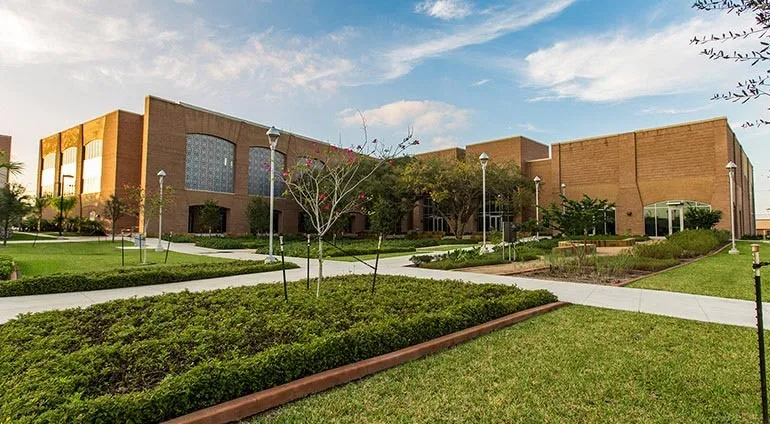
TCOM's Fort Worth campus pairs simulation training with four years of osteopathic education. Texas College of Osteopathic Medicine / Official website
Nothing else in this ranking is close on price. A first year in Fort Worth
costs about two thirds of what the cheapest MD program charges. It costs about
a fifth of what the two private schools ask.
Cheap does not mean thin. The Class of 2026 placed into 19 specialties, and
most of them stayed in Texas. More than half went into primary care. The school
has been chartered since October 1, 1970. That makes it the oldest osteopathic
program in the state by half a century.
Its first class of 18 graduated in
1974. The rural track has held up over decades. Of the students who went
through it between 2010 and 2016, 74 percent now practice primary care.
It is also honest about admissions, and it prints every step two years running.
For fall 2025 it interviewed 683 people and made 435 offers. The year before it
interviewed 687 and made 473. You can watch the offer rate tighten in real
time. What you cannot do is get in from out of state. That door is close to
shut.
Tip: apply through TMDSAS, the same service the
public MD schools use, so one application covers both paths.
How it scored
Match record
4.2 out of 5
Cost and debt
5.0 out of 5
Odds you can check
4.6 out of 5
Key facts
Chartered
1970
Class size
233 students entering in fall 2025
Class stats
Average MCAT 507.2 and GPA 3.82
Tuition
In-state $14,501.34 and out-of-state $27,481.34 for 2025-26
Accreditation
COCA accreditation with exceptional outcome
Apply through
TMDSAS
Pros
The Class of 2026 hit a 100 percent placement rate, with 57 percent in primary care
Prints applications, interviews and offers for two straight years
74 percent of its rural track graduates from 2010 to 2016 went into primary care
Cons
Only 15 of 233 seats went to non-residents in fall 2025
The primary care ranking it still touts is from 2023
Galveston★4.5(6,772 applications for fall 2025, with 5 percent admitted)★Price: $27,470.50 in-state, year one
The first medical school in Texas, opened in 1891, and still one of the biggest at 237 seats.
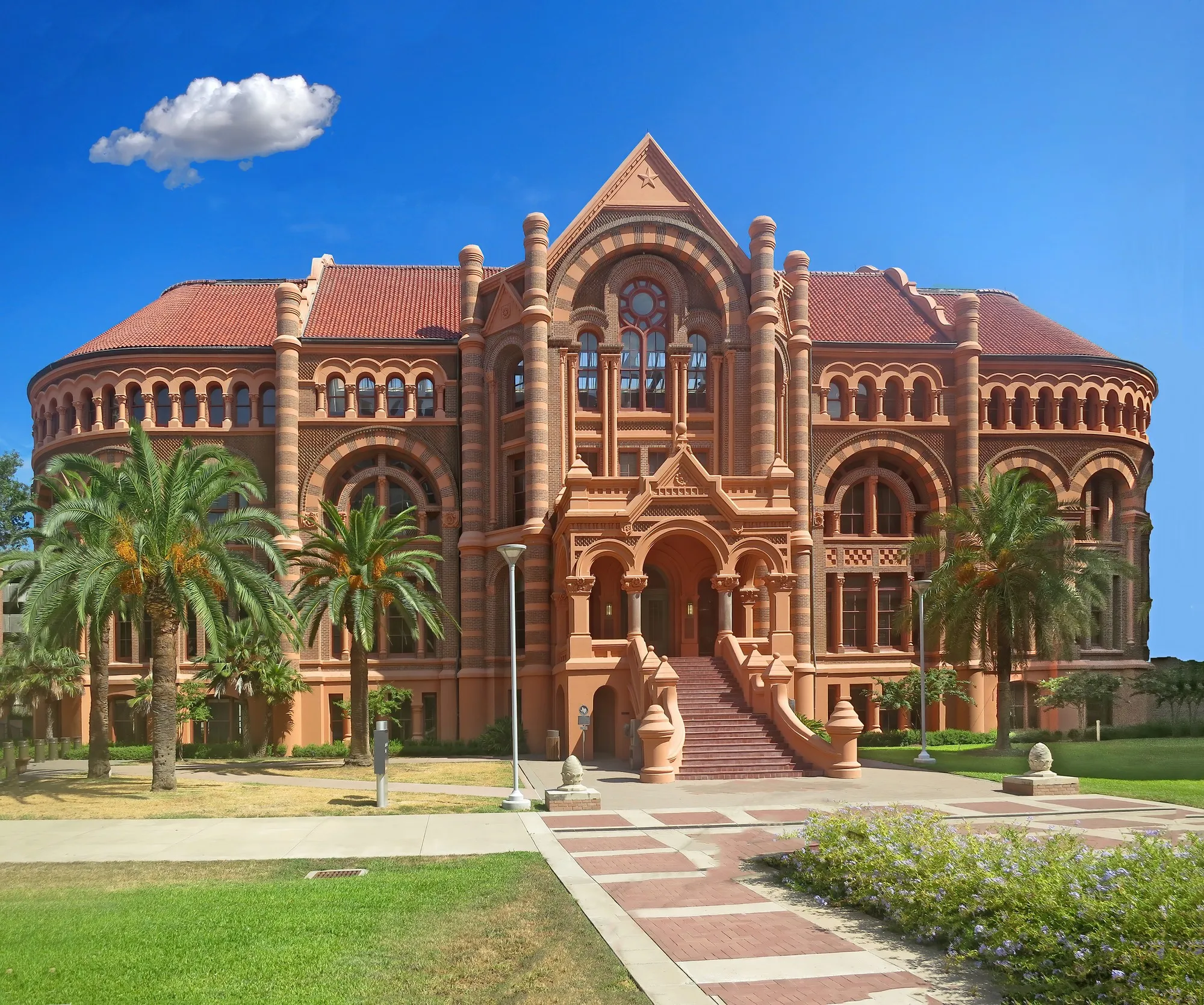
Old Red was finished in 1890 and is the oldest medical school building in Texas. Jim Evans / Wikimedia Commons (CC BY-SA 4.0)
Medical school in Texas started here. The first one in the state opened in
1891. The first session met in the Ashbel Smith Building, which locals call Old
Red.
The 1900 hurricane tore off much of the roof. The walls held. The Board of
Regents ordered classes back a short time later. The school took the John Sealy
name in 2022, for a foundation that has given more than $1 billion over a
century.
This is one of only two schools here that print both an application count and
an admit rate. So you can do the math on your own chances. Of the 213
graduating students in the March 2026 match, 134 landed in Texas. Another 34
stayed on the island. Internal medicine took 49 of them and general surgery
took 28.
Then there is the weather. Hurricane Ike hit in September 2008. The campus
spent $947 million on work meant to make it harder to knock down. Evacuation
planning is part of student life here in a way it is not in Dallas or Lubbock.
The school’s own pages also print slightly different figures for class size and
average score. Check which one you are quoting.
Worth knowing: the Galveston National Laboratory on
campus is one of only two BSL-4 labs on a US university campus.
How it scored
Match record
4.4 out of 5
Cost and debt
4.6 out of 5
Odds you can check
4.6 out of 5
Key facts
Founded
1891
Class size
237 first-year students in fiscal 2025
Class stats
Mean MCAT 512 and GPA about 3.78
Tuition
In-state $27,470.50 and out-of-state $42,436.50 for 2026-27
Admit rate
5 percent for fall 2025
Apply through
TMDSAS
Pros
Prints both its application count and its admit rate, which most Texas schools do not
134 of 213 graduating students matched in Texas in March 2026
Home to one of two BSL-4 labs on a US university campus
Cons
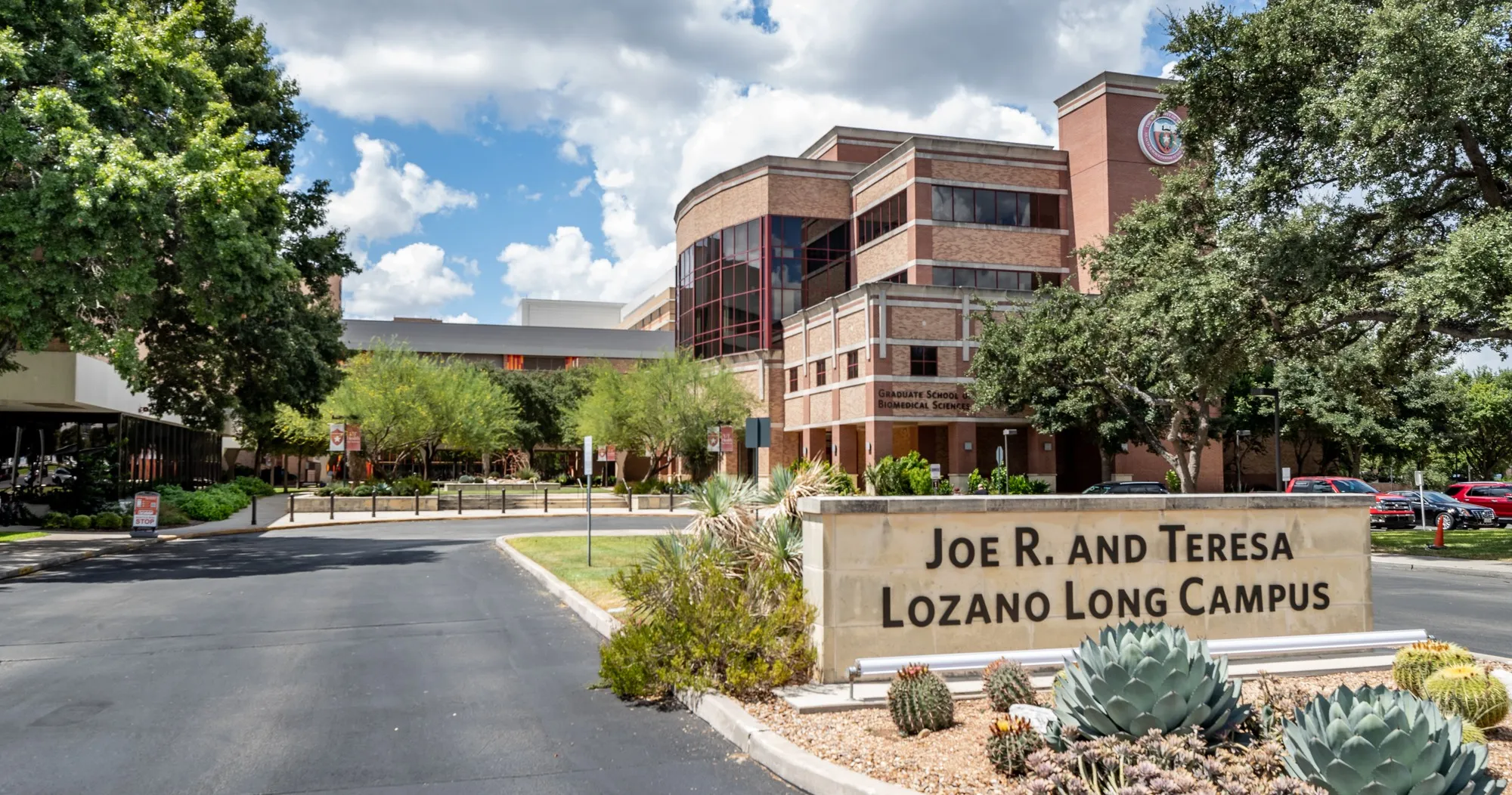
The campus sits on a barrier island and spent $947 million after Hurricane Ike
The school's own pages disagree on class size and average MCAT
El Paso★4.4(4,814 applicants for the 2025 entering class, with 656 interviewed)★Price: $24,491.34 in-state, year one
The only Texas school that prints what you need to score at each step of the way in.
The clinic lets students practice medicine and Spanish while serving patients in the El Paso community. Paul L. Foster School of Medicine / Official website
El Paso prints the average score at every rung of the ladder. No other Texas
school does. The people who applied averaged a 506 MCAT and a 3.83 GPA. The
people who got an interview averaged 513 and 3.94.
The people who got a seat
landed between the two. They sat closer to the applicant pool than to the
interview pool, which tells you the interview carries real weight. The school
even says how many interview days it held. There were 29.
The Spanish rule is the part no other Texas program copies. Every student
starts with about 30 hours of spoken Spanish during orientation. Then comes a
weekly medical Spanish class for three semesters. A placement test sorts you
into a beginner, middle or advanced group. This is the only health sciences
center on the US-Mexico border. The patients in its clinics are the reason.
The class is small and almost all Texan. Of the 103 students who matched in
March 2026, more than half stayed in Texas. Ten stayed right here in El Paso.
Internal medicine took 16. Psychiatry and emergency medicine took eight each.
Check first: two of the school’s own pages list
different first year tuition figures, so confirm the number with the business
office before you budget.
How it scored
Match record
4.0 out of 5
Cost and debt
4.4 out of 5
Odds you can check
4.7 out of 5
Key facts
First class
2009
Class size
130 students in the 2025 entering class
Class stats
Average MCAT 509 and GPA 3.84
Tuition
In-state $24,491.34 and out-of-state $39,703.34 for 2026-27
Texas residents
119 of 130 students in the 2025 class
Apply through
TMDSAS
Pros
Prints who applied, who was asked in, and who got a seat
Every student takes Spanish, starting with 30 hours in the first weeks
103 members of the Class of 2026 matched, more than half staying in Texas
Cons
Only 11 of 130 seats went to non-residents in the 2025 class
Two of the school's own pages print different prices
Austin★4.3(50 seats a year, filled from a class that is 98 percent Texan)★Price: $22,074 in-state, year one
The smallest MD class in Texas, paid for in part by a county tax vote in 2012.
The Health Learning Building opened in 2016, the same summer the first class arrived. The University of Texas at Austin / Official website
Travis County voters built this school. In 2012 they approved a property tax
measure that sends about $35 million a year to it. The Michael and Susan Dell
Foundation pledged $50 million for the name a year later. The first 50 students
arrived in June 2016, picked from more than 4,500 who applied. The first class
graduated in 2020, the same year the school won full accreditation.
This is the smallest MD class in Texas. State law caps non-residents at 10
percent of any public medical school class. That leaves about five seats a year
in Austin for everyone else. The upside of a class this size showed at the 2026
match. Every student who took part placed. Half stayed in Texas, 10 of them
right here, and 11 went into primary care.
The curriculum has a wrinkle worth planning for. Third year is not a normal
clinical year. It is a required stretch of project work. Students who add a
second degree during it pay extra, and the cost depends on the program. Federal
research money has climbed fast over the same years, which is unusual for a
school this young.
Tip: the annual rate is locked for all four years,
so what you pay as a first year is what you pay as a fourth year.
How it scored
Match record
4.3 out of 5
Cost and debt
4.7 out of 5
Odds you can check
4.0 out of 5
Key facts
First class
2016
Class size
50 students a year
Class stats
Average MCAT 517 and GPA 3.93
Tuition
In-state $22,074 and out-of-state $37,138 a year, flat for four years
Accreditation
LCME accreditation renewed in February 2025 for eight years
Apply through
TMDSAS
Pros
The 40 students who went through the 2026 match all placed, half in Texas
Tuition is locked at one annual rate for all four years
Climbed to 54th of 148 medical schools for NIH funding, up from 107th in 2023
Cons
Fifty seats and the 10 percent cap leave roughly five spots a year for non-residents
The required third year of project work can cost extra if you add a second degree
San Antonio★4.2(235 first-year students at the July 2025 white coat ceremony)★Price: Published only in PDFs
One of the best match records in Texas, and one of the thinnest sets of printed numbers.
The school sits inside the South Texas Medical Center, next to University Hospital and the VA. Floresr19 / Wikimedia Commons (CC BY-SA 4.0)
Almost everyone who graduated here in March 2026 got a residency spot. Most did
not leave the state. Fifty-nine percent stayed in Texas. About one in five
stayed in San Antonio, often in a program the school runs itself. Internal
medicine and anesthesiology led the list. The school opened to students on
September 3, 1968, nine years after Governor Price Daniel signed the bill that
created it.
The research side is strong too. The medical school pulled just over $124
million in federal research money in fiscal 2025. It runs the only cancer
center in Central and South Texas named by the National Cancer Institute.
Students rotate through University Hospital, the veterans hospital and the
military medical center. That is a wider mix of patients than most Texas
campuses can offer.
It sits at eighth because it will not tell you what its students look like. The
only class profile we found is an old page, and its figures are roughly eight
years out of date. The tuition numbers sit in PDFs that are hard to find at
all. That is a strange choice for a school with these results. It makes
planning an application harder than it needs to be.
Worth knowing: the school says out-of-state
students can compete for scholarships that bring them to the in-state rate,
which it values at close to $75,000.
How it scored
Match record
4.8 out of 5
Cost and debt
3.9 out of 5
Odds you can check
3.8 out of 5
Key facts
Opened
1968
Class size
235 first-year students in 2025
NIH funding
50th nationally at $124.4 million in fiscal 2025
Match rate
98 percent in March 2026
Teaching hospitals
University Hospital and the Audie L. Murphy VA
Apply through
TMDSAS
Pros
98 percent of the Class of 2026 matched, with 59 percent staying in Texas
Runs the only NCI cancer center in Central and South Texas
The school says out-of-state scholarships can cut students to the in-state rate
Cons
The only class profile on the site is about eight years out of date
Prices sit only in PDFs that are hard to find from a search
No. 9: Sam Houston State University College of Osteopathic Medicine
Conroe★4.2(162 first-year students in 2024-25, out of 574 enrolled)★Price: $26,500 in-state, year one
Six years old and already posting the best first-time board pass rate in the country.
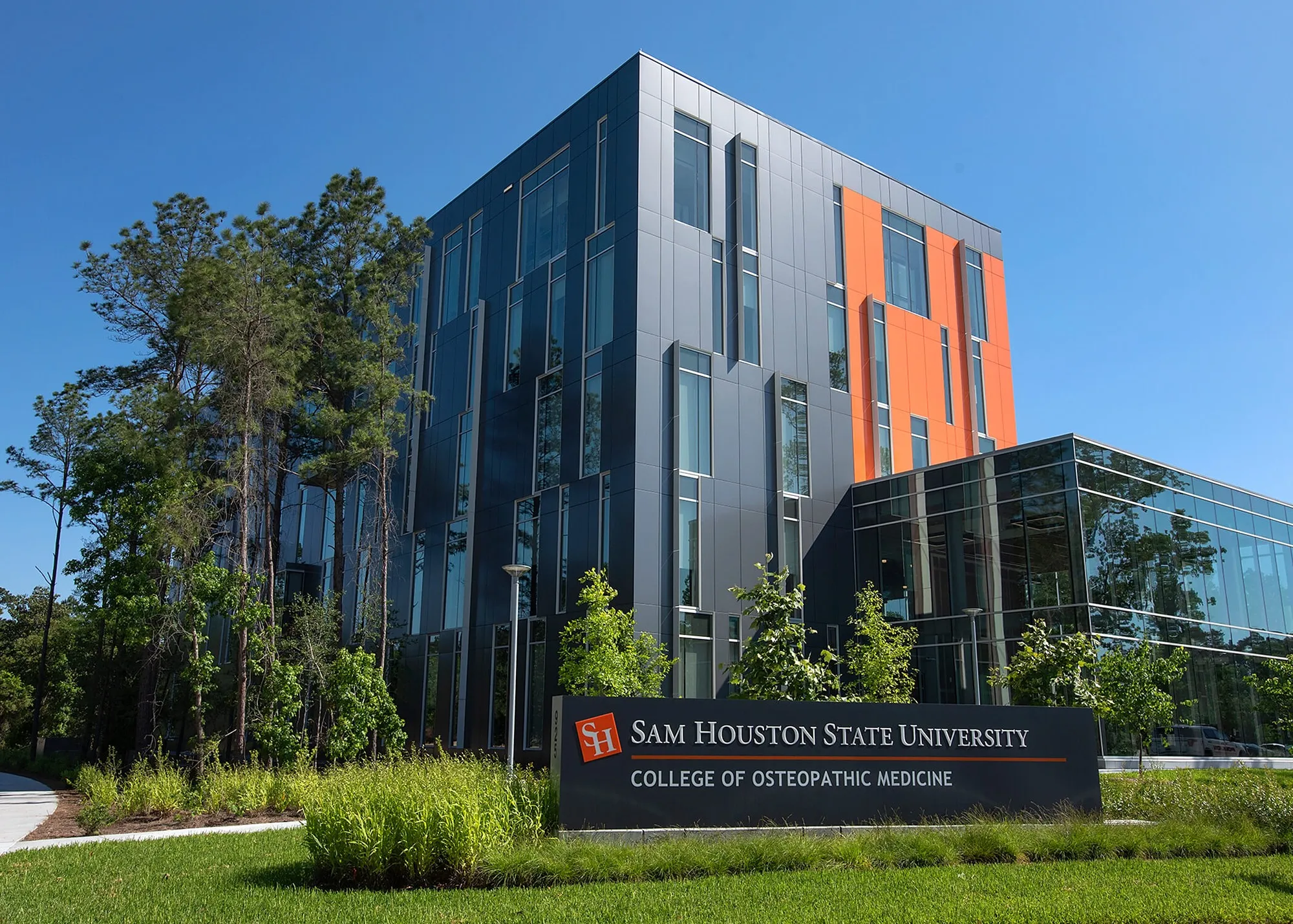
The Conroe campus sits 40 miles up Interstate 45 from the Texas Medical Center. Sam Houston State University College of Osteopathic Medicine / Official website
Seventy-five students put on white coats here in August 2020. Six years later
its board pass rates match schools four times its age. COMLEX is what DO
students take instead of the Step exams. The Class of 2025 cleared the first
one at 99 percent and the third at 100.
Placement follows the same line. Just over half the Class of 2026 went into
primary care. Sixty-six percent stayed in Texas. Part of the reason is that the
school runs its own residency programs in Conroe and Huntsville. They cover
family medicine and psychiatry, plus a sports medicine fellowship. Graduates
who want to stay near home have somewhere to go.
The mission is rural and underserved East Texas. The school says openly that it
reads each application as a whole, with no score cutoffs. That is friendly in
spirit and hard in practice. With no score ranges printed, you are guessing at
your own odds. And with only three classes out the door, the alumni network is
still small.
Best for: a Texas student aiming at primary care in
a small town who wants to train near where they will practice.
How it scored
Match record
4.5 out of 5
Cost and debt
4.2 out of 5
Odds you can check
3.9 out of 5
Key facts
First class
2020
Class size
162 first-year students in 2024-25
Tuition
In-state $26,500 and out-of-state $41,600 for 2026-27
Board scores
100 percent first-time COMLEX Level 1 pass rate for the Class of 2026
Accreditation
COCA accreditation with exceptional outcomes through 2034
Apply through
TMDSAS
Pros
99 percent placement for the Class of 2026, with 66 percent staying in Texas
Top first-time board pass rate in the country two years running
Runs its own residencies in Conroe and Huntsville, so you can stay close
Cons
Only three classes have graduated, so the alumni network is still thin
Prints no average MCAT or GPA, so you are guessing at your own odds
No. 10: Texas Tech University Health Sciences Center School of Medicine
Lubbock★4.1(182 first-year students in the Class of 2029)★Price: $23,744.52 in-state, year one
The only Texas school where you can finish in three years and start a job you already hold.
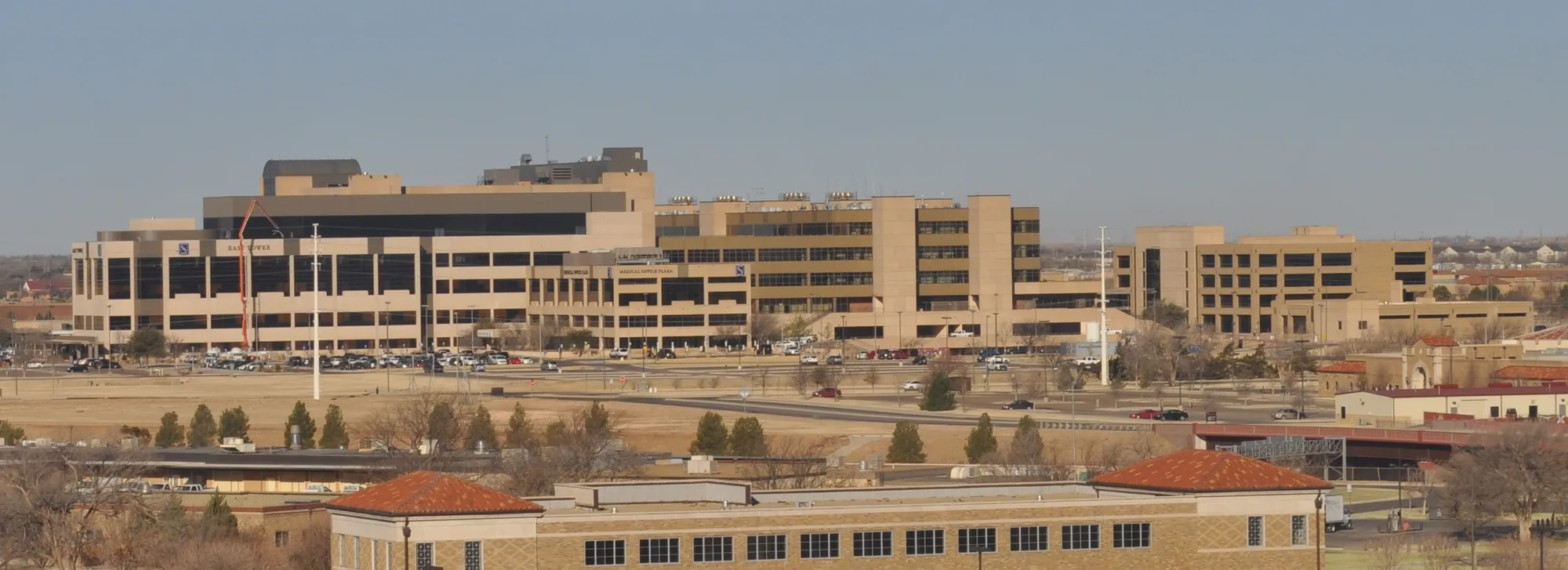
Lubbock is the base, but clinical years can send students to Amarillo or the Permian Basin. Fredlyfish4 / Wikimedia Commons (CC BY-SA 3.0)
There is one thing in Lubbock you cannot get anywhere else in Texas. The
accelerated family medicine track packs the MD into three years. At the end it
hands you a family medicine residency in Lubbock, Amarillo or the Permian
Basin. You are considered for it after you have been accepted, either with your
file or in the fall of your first year. Scholarship help in that third year is
possible. The school says plainly that it is not promised.
The rest of the program is built to keep doctors in West Texas. More than half
the Class of 2029 grew up out here. In April 2026, US News placed the school in
the top third of the country for graduates who practice where doctors are
scarce. At the March 2026 match, nearly two thirds of the class stayed in
Texas. About 25 students landed hard specialties like ophthalmology, orthopedic
surgery and urology.
Plan for a lot of driving. Clinical years split across Lubbock, Amarillo and
the Permian Basin. You may spend a year several hours from where you started.
The school also stopped taking AMCAS applications in 2021. Only US citizens and
permanent residents are considered at all.
Tip: ask about the accelerated track at your
interview, because a no at admission time is not the end of it.
How it scored
Match record
4.3 out of 5
Cost and debt
4.6 out of 5
Odds you can check
3.5 out of 5
Key facts
Class size
182 students in the Class of 2029
Texas roots
104 of 182 students come from West Texas
Tuition
In-state $23,744.52 and out-of-state $36,844.52 for 2025-26
US News 2026
60th of 172 for primary care graduates
Match Day 2026
180 students matched
Apply through
TMDSAS only
Pros
The accelerated track finishes the MD in three years, not four
47 percent of the Class of 2026 matched into primary care and 63 percent stayed in Texas
55th of 172 in the country for graduates who work where doctors are scarce
Cons
Clinical years are split between Lubbock, Amarillo and the Permian Basin
No entering class MCAT or GPA is printed anywhere on the site
No. 11: Texas A&M University Naresh K. Vashisht College of Medicine
Bryan★4.1(About 740 applicants interviewed a year over the last five years)★Price: $21,760 in-state, year one
Four campuses, a new name as of 2025, and an engineering track nobody else in Texas runs.
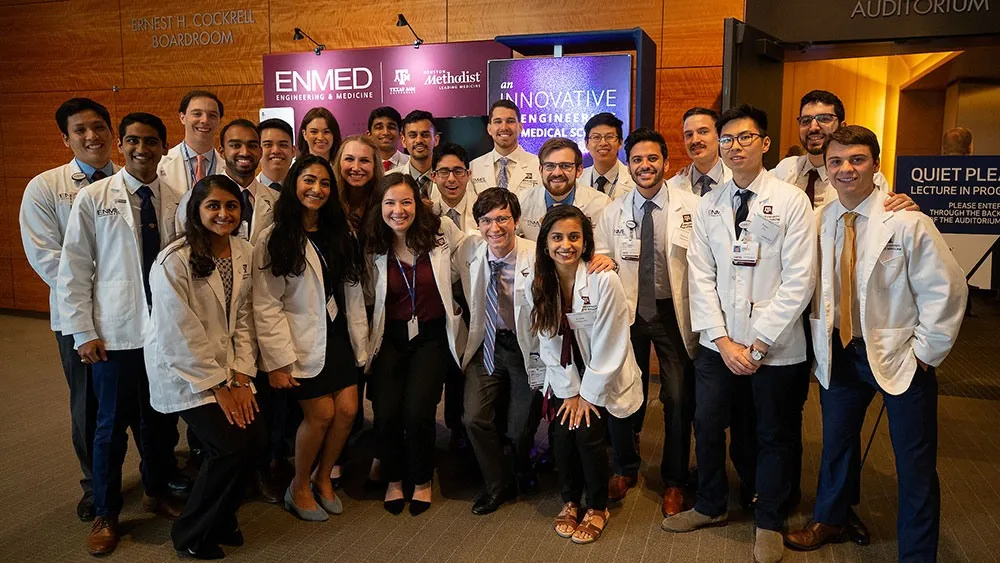
EnMed students combine the medical curriculum with an engineering degree at Houston Methodist. Texas A&M Health Science Center / Official university news site
The interesting part of this school is not in Bryan. EnMed, its engineering and
medicine program, runs out of Holcombe Boulevard in Houston. Houston Methodist
is the partner.
Its students walk away with an MD and a master of engineering.
Fifty of them started in the summer of 2025. That was the largest group yet and
the program’s current cap. Nobody else in Texas offers the pairing.
The main MD program spreads students across four campuses. They run from Bryan
and College Station up to Dallas, then back down to Houston and Round Rock.
Congress created the school in 1977 under a law that paired new medical schools
with veterans hospitals. It took its current name in August 2025, after a gift
the November before.
There is no single university hospital behind any of it. Clinical training
happens at CHI St. Joseph in Bryan, at Houston Methodist and at other partners.
So what your third year looks like depends on where you get assigned. The
school keeps its score ranges to itself as well. That makes it hard to judge
whether you are in range before you apply.
Worth knowing: the preclinical stretch runs a year
and a half, which leaves two and a half years of clinical work.
How it scored
Match record
4.2 out of 5
Cost and debt
4.7 out of 5
Odds you can check
3.4 out of 5
Key facts
Founded
1977
Class size
200 MD students a year
Tuition
In-state $21,760 and out-of-state $34,860 as published in August 2026
EnMed
50 students a year earn an MD and an engineering degree
Campuses
Bryan-College Station, Dallas, Houston and Round Rock
Apply through
TMDSAS for the MD
Pros
The EnMed program in Houston pairs the MD with a master of engineering
One of the lowest in-state prices of any Texas MD school
Partners include Houston Methodist and CHI St. Joseph in Bryan
Cons
No single teaching hospital, so your third year depends on where you land
The class profile page has said new information is coming for more than a year
Edinburg★4.0(6,862 applications for 55 seats in the Class of 2029)★Price: $21,532 in-state, year one
Ten years of students, fully approved, and more than half the seats filled from the Valley itself.
Edinburg is the main campus, with clinical sites in Harlingen and Brownsville. UTRGV School of Medicine / Official website
The Texas Legislature created this school in Edinburg in June 2013. It was
built to fix one problem. The Rio Grande Valley had a doctor shortage and no
medical school of its own. The charter class arrived in the summer of 2016. The
program has stayed small on purpose ever since. More than half the seats go to
students who grew up in the Valley.
Ten years in, the accreditation question is settled. Full accreditation was
continued in October 2025. That puts this school ahead of the two newest
programs in the state on the measure that matters most before you enroll. The
money side is easier here than in the big cities. A student living with family
is budgeted at $48,798 a year, housing and food included.
Where you cannot go is the problem. The school lists three hospital partners
that run residencies with it: Knapp Medical Center, Valley Baptist and HCA.
That is a thin bench next to what a Houston student can walk into. It also
gives applicants nothing to measure against. You are aiming at a very small
class with no idea what a winning file looks like.
Best for: a student from South Texas who wants to
practice in the Valley and would rather train there than move away first.
How it scored
Match record
3.9 out of 5
Cost and debt
4.7 out of 5
Odds you can check
3.5 out of 5
Key facts
Created
2013
Class size
55 students in the Class of 2029
Tuition
In-state $21,532 and out-of-state $34,632 for 2025-26
Local roots
58 percent of the class comes from the Rio Grande Valley
Accreditation
LCME full accreditation continued in October 2025
Apply through
TMDSAS
Pros
The charter class arrived in 2016 and the first 39 doctors graduated in 2020
More than half the class comes from the region the school was built to serve
Among the lowest in-state tuition and fees in the state
Cons
Three hospital partners run residencies with the school
No average MCAT or GPA is printed for any entering class
Sixteen. Thirteen give an MD. Three give a DO. The LCME approves the MD schools and COCA approves the DO schools. Fourteen of the 16 take applications through TMDSAS. Two do not. TCU uses AMCAS, the national service. The University of the Incarnate Word uses AACOMAS, which is the one for DO schools.
What is the cheapest medical school in Texas?
Texas College of Osteopathic Medicine in Fort Worth. A Texas resident pays $14,501.34 in tuition and fees for the first year in 2025-26. The cheapest MD school is UT Rio Grande Valley at $21,532. Texas A&M is next at $21,760. Then comes Dell at $22,074. The two private schools we cut charge $64,875 and $75,700 a year.
Can out-of-state students get into Texas medical schools?
Rarely at a public school. TMDSAS says no more than 10 percent of a Texas public school class can come from out of state. In practice it runs lower. Paul L. Foster took 11 out-of-state students out of 130 seats in 2025. Texas College of Osteopathic Medicine took 15 out of 233. The cap does not bind the private schools.
What is the difference between TMDSAS and AMCAS?
TMDSAS is the Texas-only form. Fourteen Texas medical schools take it. One $235 fee covers every school you apply to. AMCAS is the national form. Most schools outside Texas use it, and so does TCU. TMDSAS also runs its own match for seats. Results come out on February 12. Rolling offers follow.
What GPA and MCAT do you need for Texas medical schools?
It depends on the school. Only seven of the 16 print current numbers. Among those, the low end is 507.2 MCAT and 3.82 GPA at Texas College of Osteopathic Medicine. The high end is 518.1 and 3.94 at Baylor. UT Southwestern reports 516 and 3.89. Dell reports 517 and 3.93. McGovern and John Sealy both report 512.
Are all Texas medical schools fully accredited?
Not quite. Eleven of the 13 MD schools are fully approved. Two are not there yet. The Tilman J. Fertitta Family College of Medicine at the University of Houston sits at provisional. UT Tyler School of Medicine sits at preliminary. Both come from the LCME list updated on July 22, 2026. All three DO schools are fully approved.
Sources & Methodology
We used the records, official pages and independent sources listed below to report and verify this guide. No source paid for placement.
–Baylor College of Medicine Education Fact Book 2025-2026 and 2024-2025, admissions funnel and class averages, read 2026-08-06.
–Baylor College of Medicine tuition and fees sheet for the 2025-26 MD program, read 2026-08-02.
–UT Southwestern class profile and cost of attendance pages, plus the March 20, 2026 Match Day release, read 2026-08-02.
–McGovern Medical School Class of 2029 profile, UTHealth bursar tuition pages for 2025-2026, and the 2026 Match Day release, read 2026-08-02.
–UNT Health Texas College of Osteopathic Medicine admissions statistics for fall 2024 and fall 2025, tuition table and accreditation page, read 2026-08-02.
–UTMB enrollment data card, School of Medicine fee sheet for 2026-2027, and the March 20, 2026 Match Day release, read 2026-08-02.
–Paul L. Foster School of Medicine PLFSOM statistics page, Student Business Services tuition estimate for 2026-2027, and the 2026 match list, read 2026-08-02.
–Dell Medical School admissions criteria, UT Austin tuition rates page, and the residency match results page, read 2026-08-02.
–UT Health San Antonio Long School of Medicine white coat release of July 2025, NIH funding release of March 2026, and the March 2026 Match Day release, read 2026-08-02.
–Sam Houston State University College of Osteopathic Medicine student outcomes page, SHSU catalog tuition tables, and the 2026 Match Day release, read 2026-08-02.
–Texas Tech University Health Sciences Center white coat and Match Day releases, first year tuition estimate for 2025-2026, and the April 2026 US News release, read 2026-08-02.
–Texas A&M Naresh K. Vashisht College of Medicine MD program and cost pages, plus the August 2025 renaming announcement, read 2026-08-02.
–UT Rio Grande Valley School of Medicine accreditation, cost of attendance and Class of 2029 white coat pages, read 2026-08-02.
–Burnett School of Medicine at TCU cost of attendance page for 2025-2026, read 2026-08-02.
–University of the Incarnate Word School of Osteopathic Medicine financial assistance page for 2026-2027, read 2026-08-02.
–LCME Directory of Accredited US Programs, updated July 22, 2026, read 2026-08-02.
–American Osteopathic Association list of colleges of osteopathic medicine, May 2026 edition, read 2026-08-02.