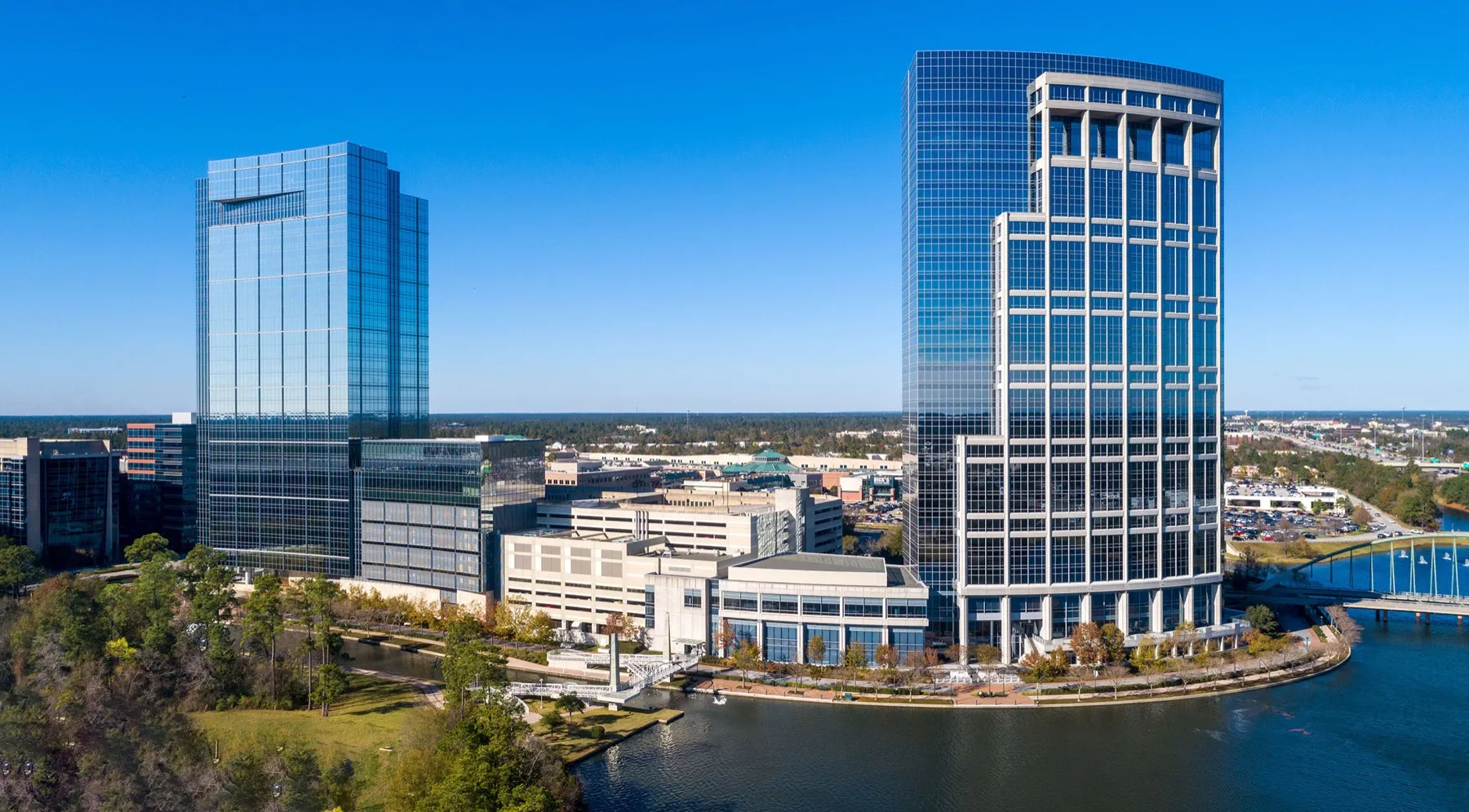
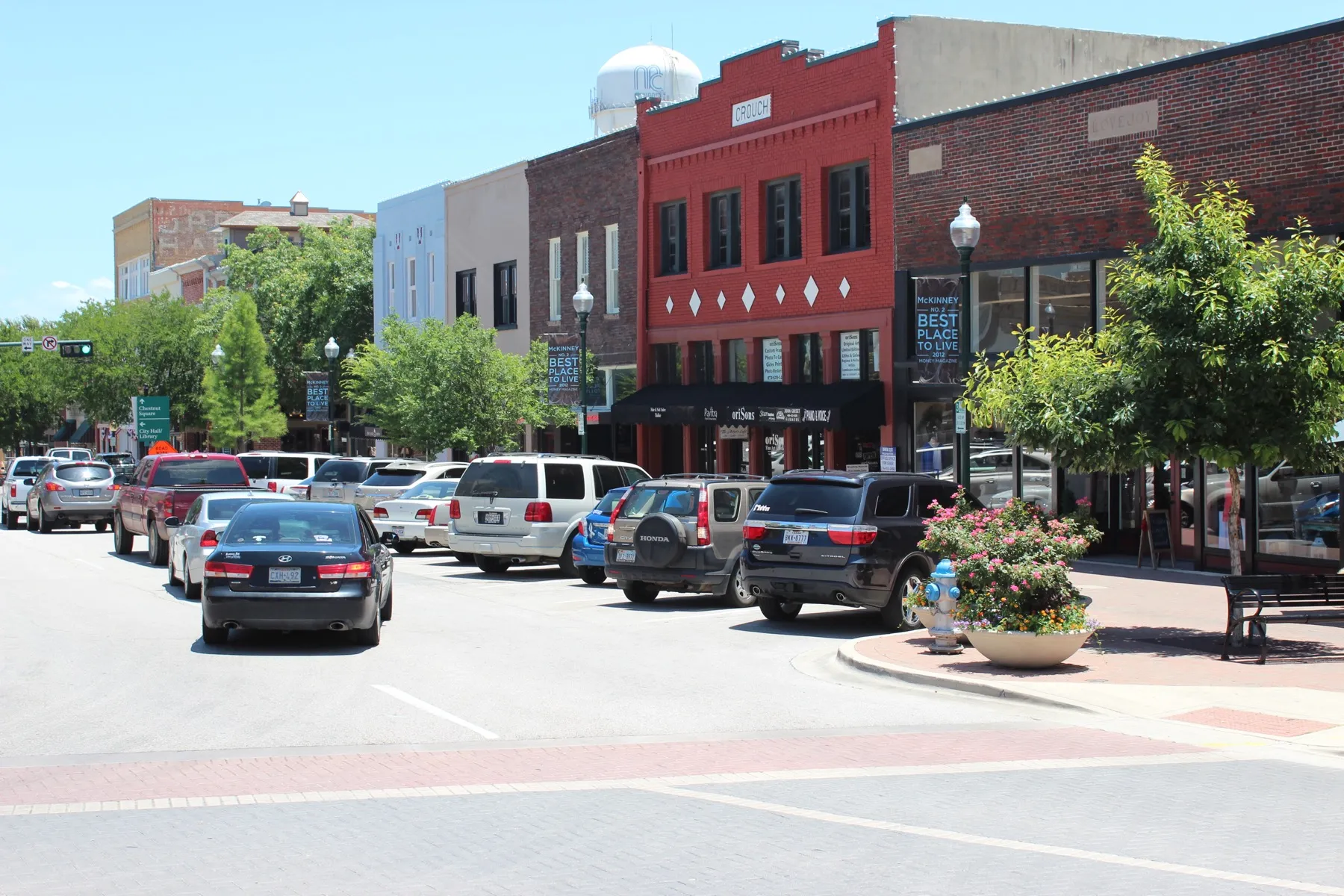
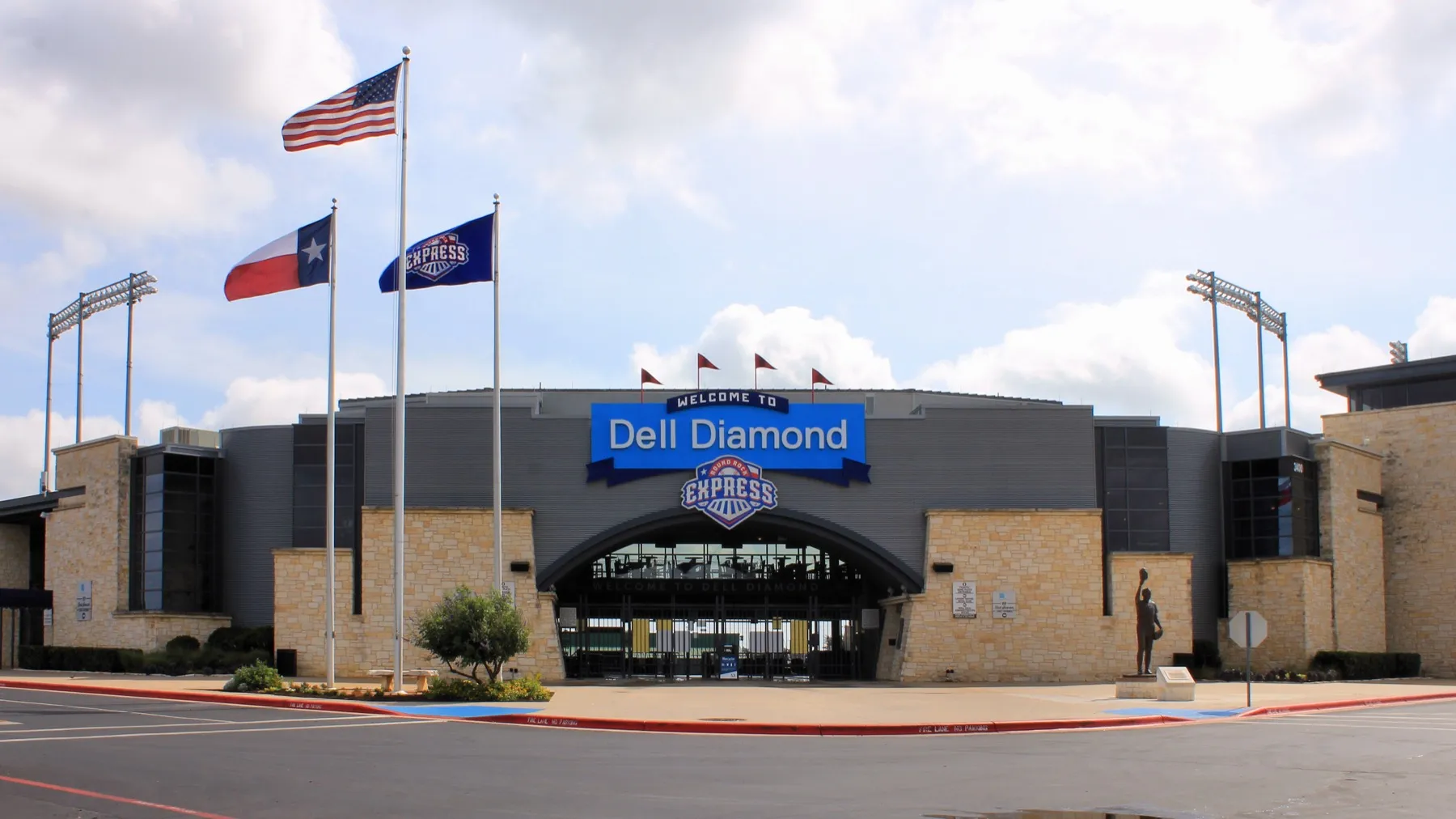
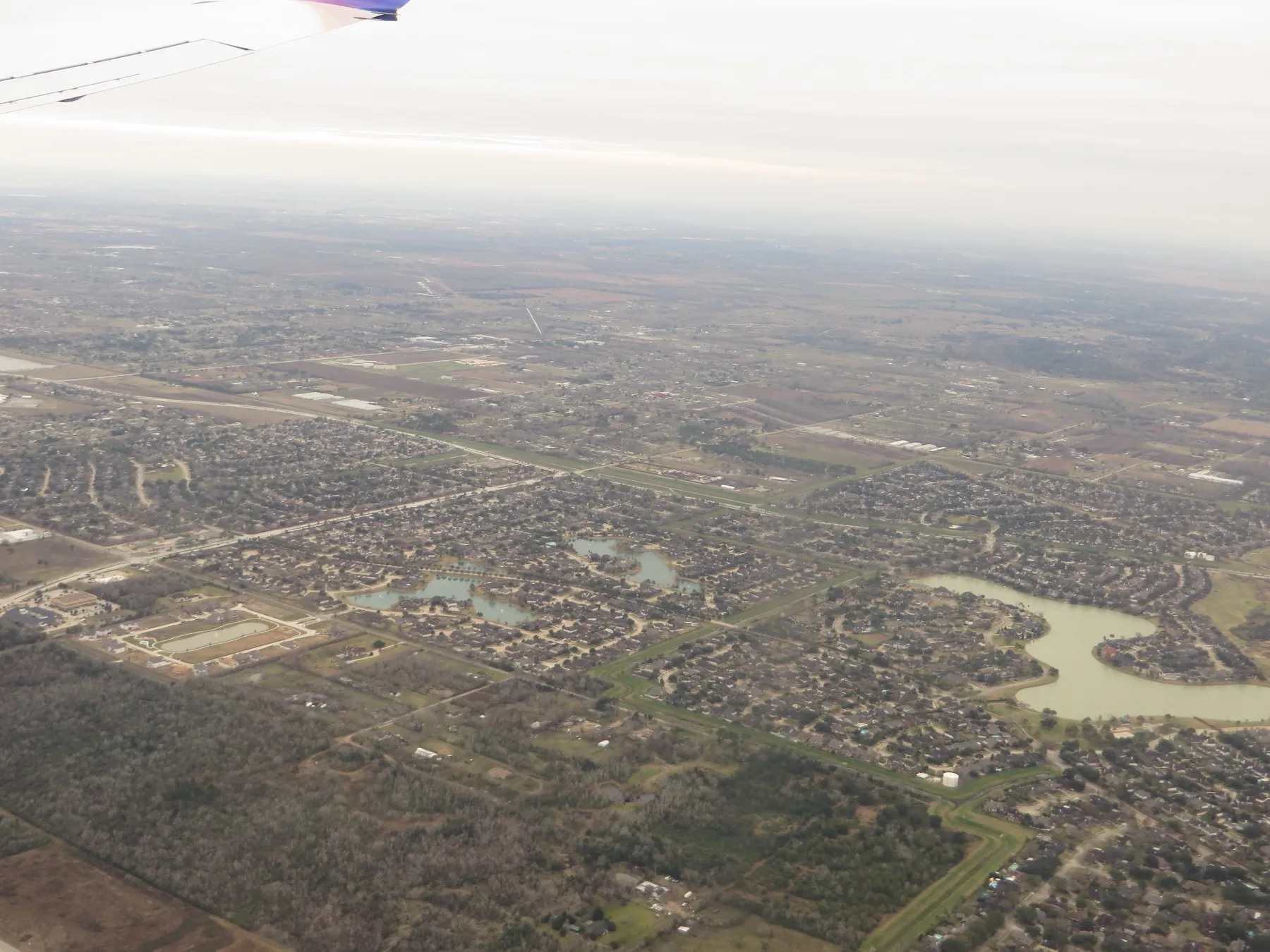
Texas added 391,243 people last year, more than any other state, and every one of them had to pick a town. We ran the numbers on housing, schools, safety and jobs to settle where the moving trucks should actually stop.
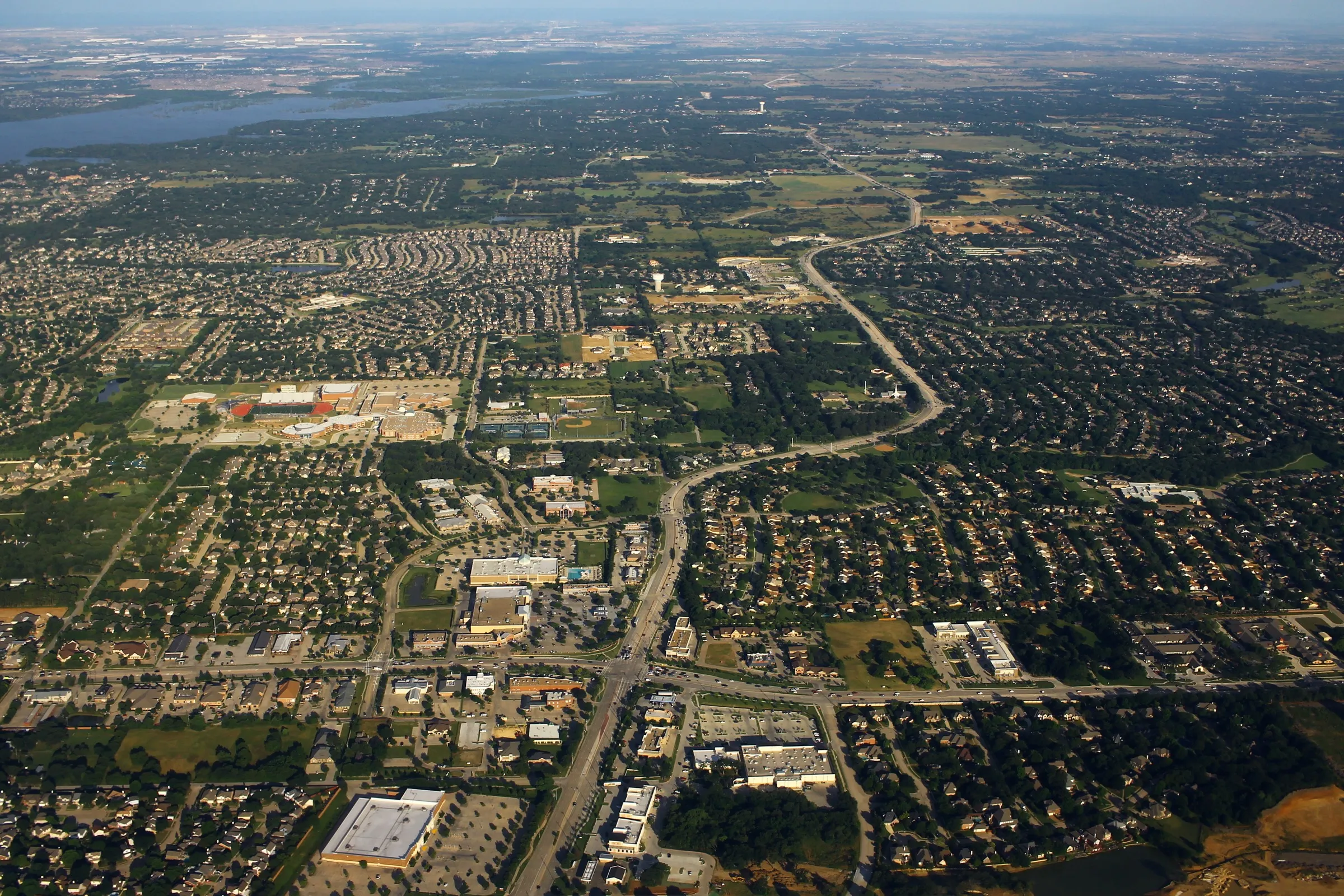
Flower Mound, in the Dallas-Fort Worth suburbs. formulanone / Wikimedia Commons (CC BY-SA 2.0)
The best place to live in Texas right now is Flower Mound, a lakeside town north of DFW Airport that U.S. News just named the No. 3 place to live in the whole country. The rest depends on what you need:
Top pick
Flower Mound. Top schools, low crime, Grapevine Lake out the back door.
Best value
El Paso. A typical home costs $237,000, and U.S. News calls it the best big city in America.
Best schools
Frisco. The only district on this list with a straight A from the state.
Best for families
The Woodlands. Niche ranks it the No. 2 city in America to raise a family for 2026.
Best small-city feel
Georgetown. A Victorian courthouse square, Sun City retirement living, and the safest midsize city in the state.
Last year 391,243 people became Texans, more than any other state added.
The U-Haul people say more one-way trucks rolled into Texas than out of it
for the sixth time in seven years. Most of those trucks were not headed
anywhere famous. They were headed to places like Leander and Pearland, towns
most of the new arrivals could not have found on a map two years earlier.
So we did the homework the moving truck cannot do for you. We pulled Census
estimates, Zillow and Redfin price reports, state school grades and current
crime studies for more than a dozen candidate cities, then ranked the twelve
where the numbers hold up best. The timing favors buyers, for once: the
statewide median price slipped to about $328,000 this spring, the first
first-quarter drop in over a decade, and most towns below are cheaper
than they were a year ago.
Texas gives you no state income tax, then takes some of it back through
property taxes that run about 1.4 percent of your home’s value, half again
the national rate. Home insurance averages $4,704 a year, too. The towns
below earn their spots with all of that counted, and we say so when part
of the ledger works against them.
And where are Austin, Dallas and Houston? We checked them. Austin pairs a
$507,622 typical home with a $90,430 median income, Houston landed at No.
327 on the U.S. News national list, and in nearly every case the big
cities’ own suburbs beat them on price, crime and school grades. Fort
Worth, ranked the No. 3 big city in America by U.S. News, was the hardest
cut. The one big city that survived our math is El Paso, and U.S. News
agrees: it just named it the best big city in the country.
At a Glance
The top of the ranking, side by side. Scroll sideways on a phone for price and rating.
The 12 best places to live in Texas, ranked, with metro area, what each is known for, typical home price, and our rating out of five.
We scored every place on the same five things, in order of weight:
1Housing you can actually afford. Median home prices from Zillow and Redfin, weighed against what households in that town earn. A cheap house in a town with no jobs does not count as a deal.
2Schools. State accountability grades from the Texas Education Agency and district report cards from Niche, checked in July 2026.
3Safety. FBI-based crime data and current rankings from SmartAsset and MoneyGeek. We scored this year's data rather than each city's old reputation.
4Jobs and commutes. Who the big employers are, whether you can get to them, and whether the town works without a two-hour round trip.
5Everyday life. Parks, water, music, food, and whether there is anything to do on a Saturday that does not involve a chain restaurant.
This ranking is built from public data: Census estimates, Zillow and Redfin price reports, TEA and Niche school grades, and published safety studies, all pulled in July 2026 and cited at the bottom of this page. No city, builder or realtor paid for a spot, and none can.
The 12 Best Places to Live, Ranked
Every place below was checked against Census estimates, current price data and 2025-26 school and safety ratings in July 2026.
1
No. 1: Flower Mound
Dallas-Fort Worth★4.9(pop. 80,415)★Price: $580K
A town of 80,000 that keeps a third of itself green, sits ten minutes from DFW Airport, and just ranked third in the nation.
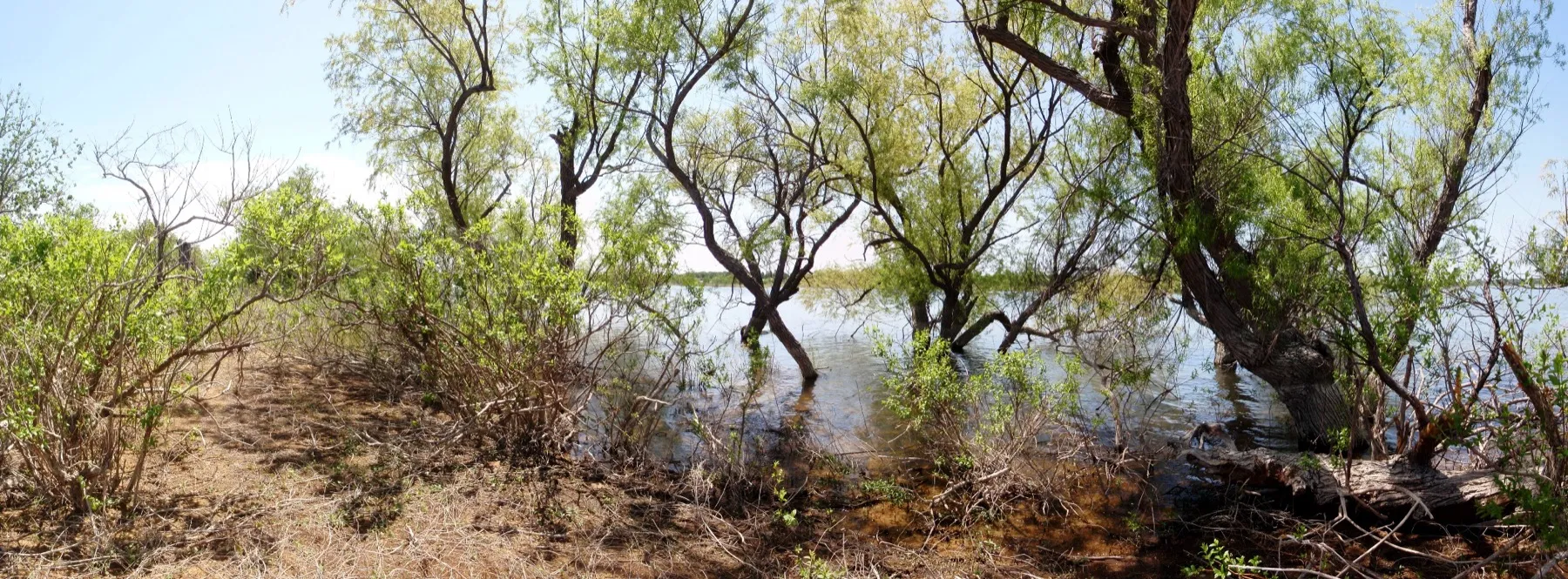
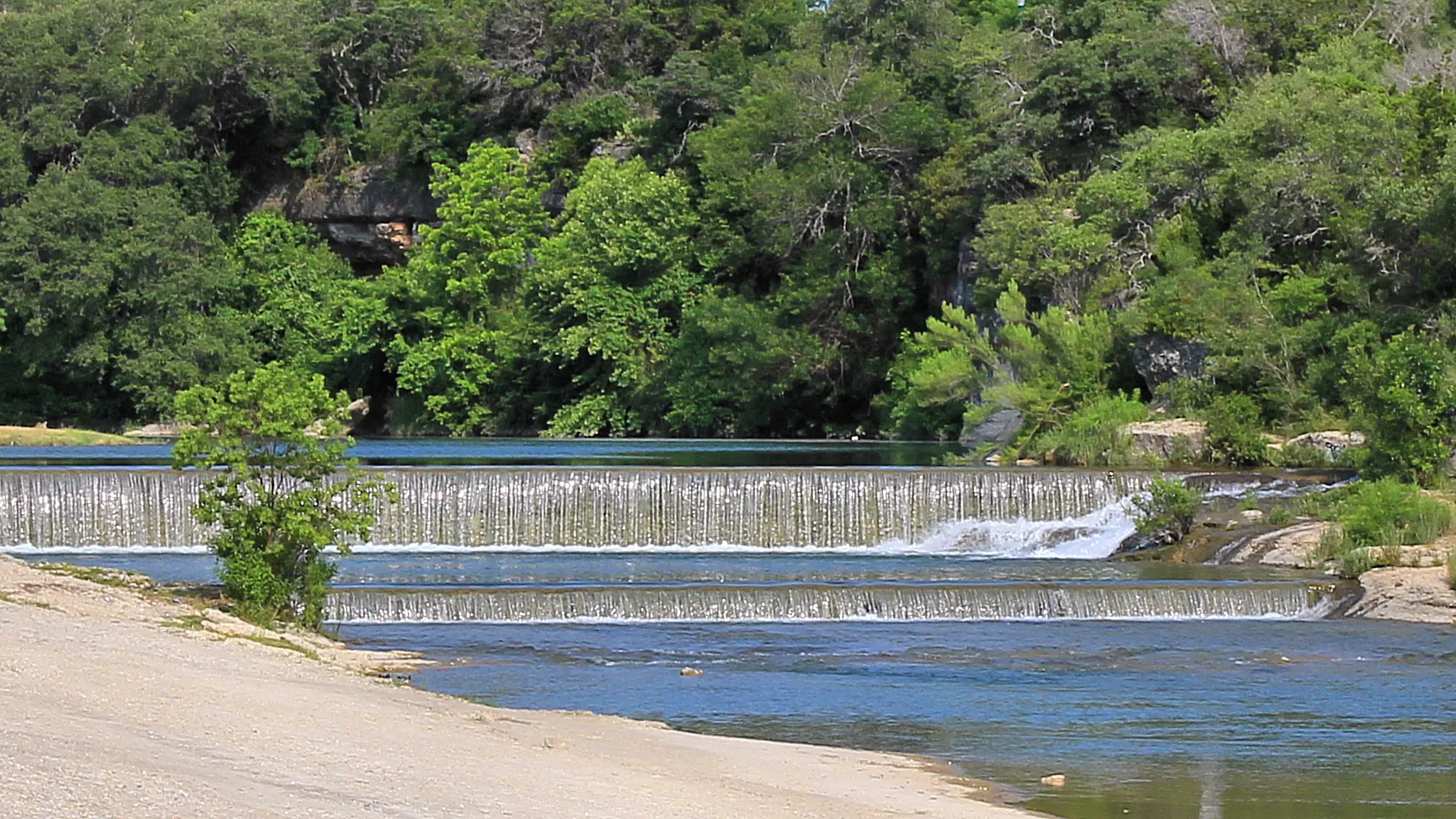
Flower Mound sits on the south shore. The trail network runs most of the way round. Dameon Hudson / Wikimedia Commons (CC BY 3.0)
Start with the map. Flower Mound sits on the north shore of Grapevine
Lake, about ten miles from DFW Airport, and it has spent decades saying no
to the kind of building that turned its neighbors into traffic. The result
is a town where the median household earns $161,235, the highest of our
twelve, and where Niche hands out a B+ crime grade while every other big
suburb here gets a B minus.
The rest of the country noticed this spring. U.S. News ranked Flower
Mound the No. 3 place to live in America for 2026-2027, first among all
small cities and first in Texas. Kids go to Lewisville ISD schools that
Niche grades A+, sixth best of 416 Texas suburbs. Weekends happen
outside: Twin Coves Park covers 243 acres on the lake, the trail network
connects most of town, and the new Riverwalk district handles dinner.
The trade is jobs. Flower Mound is a commuter town, and most paychecks
come from Irving, Coppell or the airport corridor. If you want to walk to
work, look at Plano or The Woodlands. If you want the best all-around
numbers in Texas and a lake at the end of the street, this is the pick.
Best for: families who want top schools and low
crime, and can live with a commute.
How it scored
Housing
4.3 out of 5
Schools
4.8 out of 5
Safety
5.0 out of 5
Jobs
4.4 out of 5
Everyday life
4.6 out of 5
Key facts
County
Denton
Population
80,415 (2026 est.)
Median sale price
$580,000 (Redfin, Nov. 2025)
Median income
$161,235
Schools
Lewisville ISD, Niche A+
DFW Airport
About 10 miles
Pros
Highest household income and best crime grade of our twelve
57 parks and Grapevine Lake shoreline inside town limits
Ten minutes to DFW Airport without big-city sprawl
Cons
Most jobs are a commute away
Quiet by design, so nightlife means driving to Grapevine or Dallas
The Cowboys, the PGA, a brand new Universal theme park and the only straight-A school district of the twelve. You pay for all of it.
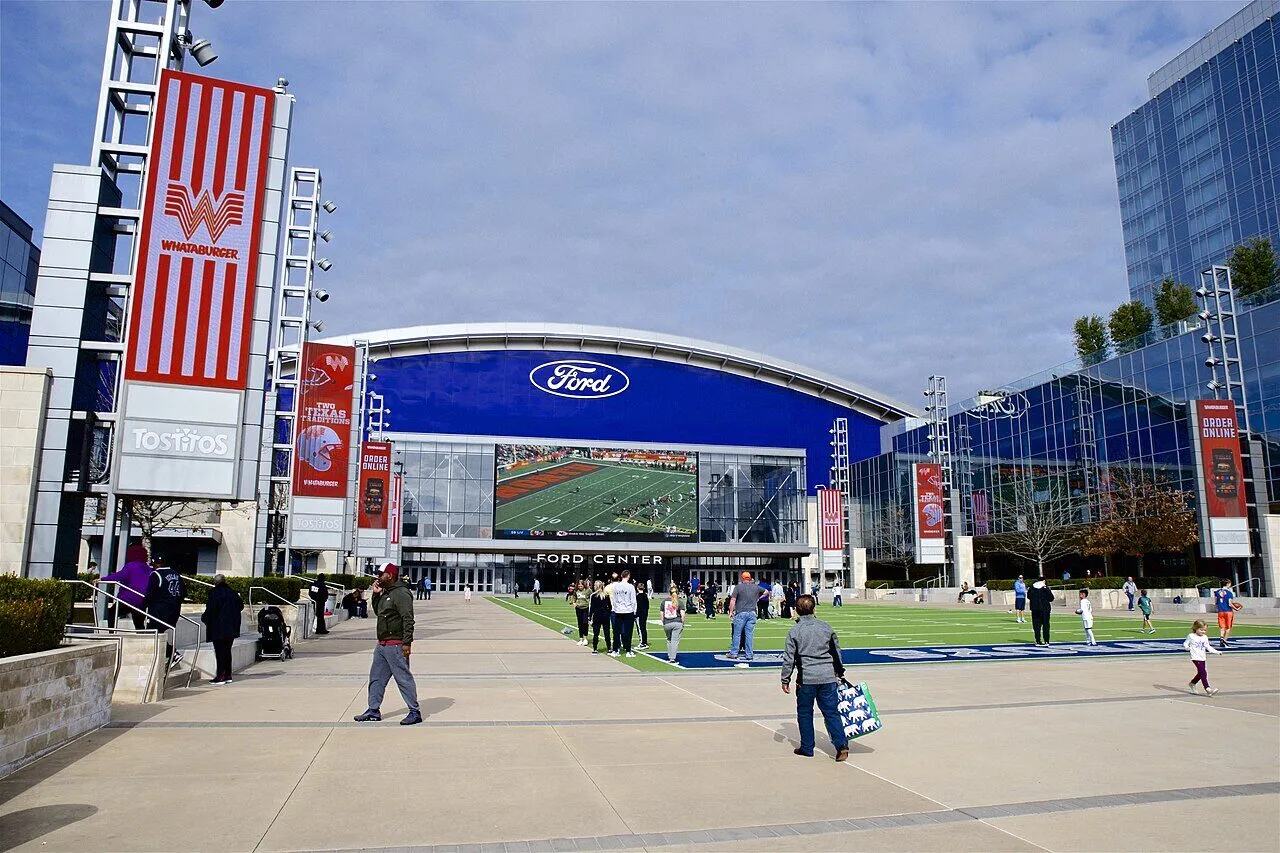
Tostitos Championship Plaza at Ford Center, part of the Cowboys' Frisco headquarters. Danazar / Wikimedia Commons (CC BY-SA 4.0)
Frisco spent twenty years collecting things no suburb has any business
owning. The Dallas Cowboys run their whole operation from The Star. The
PGA of America moved its national headquarters here and brought the Omni
PGA resort with it. FC Dallas plays at Toyota Stadium, and Keurig Dr
Pepper moved its Texas headquarters in. Then on July 1, 2026, Universal
opened its first Universal Kids Resort, a full theme park with seven
themed lands, inside the city limits.
Schools are the quieter headline. Frisco ISD earned an A in the 2024-25
state accountability ratings, the only district here that did,
and Niche puts its schools eighth of 416 Texas suburbs. U.S. News ranks
the city itself No. 9 in the nation for 2026. Median household income is
$145,444, and the town of nearly a quarter million still posts some of
the lowest big-city crime numbers in the country: a 2023 SmartAsset study
called it the safest city in America outright.
You pay the full freight for all of it. Zillow puts the typical Frisco
home at $656,145 as of June, the highest of the twelve, though that number
fell 5 percent over the past year. Buyers finally have the upper hand in
a market that spent a decade running away from them.
Good to know:
Frisco ISD is the only district on this list with a straight A from the state, and the home prices know it.
How it scored
Housing
4.0 out of 5
Schools
5.0 out of 5
Safety
4.7 out of 5
Jobs
4.8 out of 5
Everyday life
4.8 out of 5
Key facts
County
Collin
Population
247,860 (city est., 2026)
Typical home value
$656,145 (Zillow, June 2026)
Median income
$145,444
Schools
Frisco ISD, TEA grade A
Big employers
Frisco ISD, T-Mobile, Keurig Dr Pepper
Pros
Frisco ISD earned an A in the 2024-25 state ratings
U.S. News ranks it No. 9 in the country for 2026
Universal Kids Resort opened July 1, 2026
Cons
Priciest homes of the twelve, at about $656,000
Construction and tollway traffic come with the boom
The old Imperial Sugar company town is now the most polished suburb on the Gulf Coast side of Texas, and the tenth best place to live in America by the U.S. News count.
A downtown built from scratch in 2003, and busy most weekends. WhisperToMe / Wikimedia Commons (Public domain)
Sugar Land grew out of an actual sugar company. Imperial Sugar ran this
town for a century, and the refinery’s old land is now the most complete
suburb on the Texas Gulf Coast. Town Square works like a real downtown,
with city hall sitting above the restaurants, and the entertainment
follows from there: 6,400-seat shows at the Smart Financial Centre, and
the Space Cowboys, Houston’s Triple-A club, at Constellation Field on the
edge of town.
U.S. News ranks Sugar Land No. 10 in the country for 2026-2027,
SmartAsset counts it the fifth safest midsize city in Texas, and Fort
Bend ISD carries an A from Niche. About 28 percent of adults here hold a
graduate degree, roughly double the national share. A typical home ran
$447,176 in March, real money but $200,000 less than Frisco.
The job base runs deeper than most bedroom suburbs. SLB has kept a
campus here for decades, Minute Maid runs its headquarters out of Town
Square, and Houston Methodist and Memorial Hermann both operate full
hospitals inside the city. First Colony, the master plan that kicked
off the modern boom, still sets the tone: brick, mature trees, and
homeowners associations that mean it.
Good to know: Highway 6 congestion is the
complaint you hear most from residents. Test your commute at rush hour
before you sign anything.
How it scored
Housing
4.4 out of 5
Schools
4.7 out of 5
Safety
4.7 out of 5
Jobs
4.5 out of 5
Everyday life
4.7 out of 5
Key facts
County
Fort Bend
Population
107,726 (Census est., 2025)
Typical home value
$447,176 (Zillow, March 2026)
Median income
$136,217
Schools
Fort Bend ISD, Niche A
Downtown Houston
About 20 miles
Pros
SmartAsset's fifth safest midsize city in Texas for 2026
Town Square, a 6,400-seat concert hall and Triple-A baseball
About 28 percent of adults hold a graduate degree, twice the U.S. share
The only Austin suburb where you can put the kids in an A-rated district, buy under $430,000 and ride a train downtown.
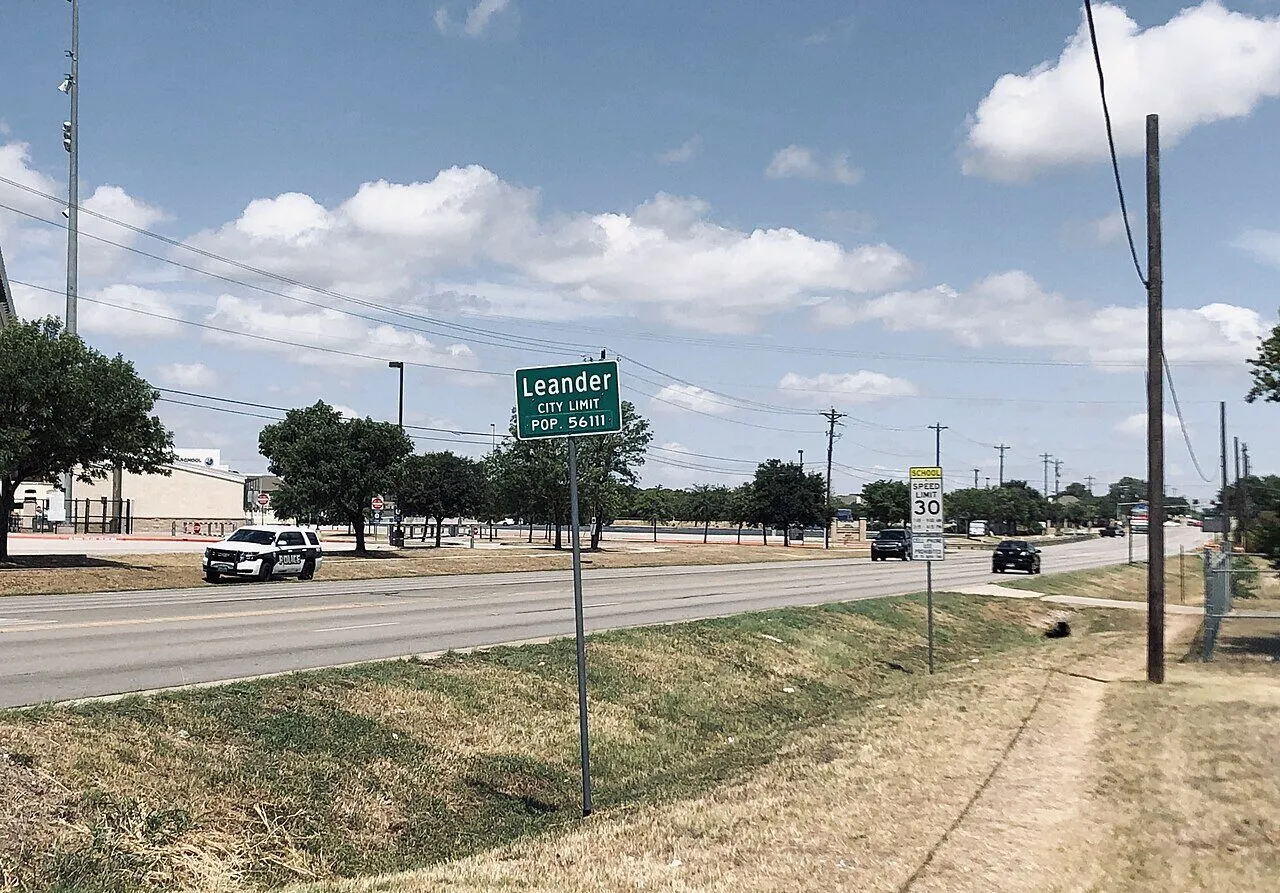
A city-limit sign on the south side of Leander. A Yee / Wikimedia Commons (CC BY 2.0)
Leander was a rail stop of 8,000 people in 2000. It passed 91,000 this
year, and U.S. News just ranked it the No. 8 place to live in America,
second in Texas behind Flower Mound. The draw comes down to three
numbers. Leander ISD schools grade A on Niche. The median household
earns $139,048. And the typical house costs $429,495, about $45,000 less
than the same house one suburb over in Cedar Park.
It is also the only Austin suburb where you can skip the I-35 misery
altogether. The CapMetro Red Line starts at Leander Station, where a
park-and-ride waits, and runs straight into downtown Austin. With
home values down 7.3 percent in a year, the steepest drop of any suburb
we checked, a buyer in 2026 gets a price the last five years of arrivals
never saw.
The town grew faster than its restaurants, its roads and its water
system, and the new Northline downtown district is a decade from
finished. Much of what will make Leander complete is still years out,
and the falling price reflects that.
For buyers:
home values here fell 7.3 percent in a year while the schools kept their A. That gap is the opportunity.
How it scored
Housing
4.6 out of 5
Schools
4.8 out of 5
Safety
4.6 out of 5
Jobs
4.2 out of 5
Everyday life
4.1 out of 5
Key facts
County
Williamson
Population
91,132 (Census est., 2025)
Typical home value
$429,495 (Zillow, May 2026)
Median income
$139,048
Schools
Leander ISD, Niche A
Downtown Austin
About 22 miles, or the Red Line
Pros
U.S. News ranks it No. 8 in the country for 2026
Home values dropped 7.3 percent in a year, a break for buyers
CapMetro Red Line runs from Leander Station to downtown Austin
Cons
Restaurants and nightlife trail the rooftops by years
Water supply is stretched until new treatment capacity arrives
George Mitchell planted a town inside a pine forest in 1974. Fifty years on, Niche calls it the third best city to live in America.
A master-planned town that grew a skyline. The canal runs a mile and a quarter. HowardHughesCo / Wikimedia Commons (CC BY-SA 4.0)
In 1974 an oilman named George Mitchell started building a town 28 miles
north of Houston with one rule: keep the trees. Fifty years later The
Woodlands hides 121,000 people, a business district and a mall inside a
pine forest, laced with more than 200 miles of trails. Niche ranks it the
No. 3 city to live in America for 2026 and No. 2 for raising a family.
Unlike most suburbs this size, it comes with its own paychecks.
Occidental, ExxonMobil, Huntsman and Chevron Phillips all keep offices
here, and Memorial Hermann’s hospital employs close to 2,000, so plenty
of residents never see I-45 at rush hour. Conroe ISD grades an A on
Niche. Summer nights mean the Cynthia Woods Mitchell Pavilion, the
outdoor amphitheater where the Houston Symphony shares a stage schedule
with whoever is touring.
Median home values run around $511,700 by the latest Census figures, and
the sought-after villages sell well above that. The Woodlands is also a
township rather than an incorporated city, which means residents trade
some local control for lower overhead.
Good to know:
The Woodlands is a township, not a city. Lower profile at city hall, but the pines and trails are the trade.
How it scored
Housing
4.2 out of 5
Schools
4.8 out of 5
Safety
4.6 out of 5
Jobs
4.7 out of 5
Everyday life
4.8 out of 5
Key facts
County
Montgomery
Population
121,002 (ACS via Niche)
Median home value
$511,700 (ACS via Niche, 2024)
Median income
$140,701
Schools
Conroe ISD, Niche A
Downtown Houston
About 28 miles on I-45
Pros
Niche's No. 2 city in America to raise a family, 2026
Trails, towering pines and a lake in place of strip malls
Real white-collar job base, so many people skip the commute
Cons
Second priciest pick of the twelve
It is a township, not a city, so residents have less say at city hall
The prettiest downtown in Collin County, wrapped in the housing market WalletHub has ranked No. 1 in America three years running.
One of the best-kept courthouse squares in the state. Rick Ray / Wikimedia Commons (CC BY 2.0)
A typical McKinney home costs $482,599, about $170,000 less than Frisco
ten minutes west. What you get instead of theme parks is the best
historic downtown in the northern suburbs. More than 120 shops and
restaurants fill Victorian brick buildings around a working square, and
Adriatica, a developer’s full-scale copy of a Croatian fishing village,
sits a short drive south and somehow works.
WalletHub has named McKinney the No. 1 real estate market in America
three years in a row, and in 2025 it put the city’s job growth 11th
among all U.S. cities. U.S. News slots
the city at No. 17 nationally for 2026-2027. A 2023 SmartAsset study
rated it the second safest city in the country, right behind Frisco.
The weekend map covers more than the square. The Heard Natural Science
Museum keeps a wildlife sanctuary on the south side, Erwin Park draws
mountain bikers from across the metro, and TUPPS Brewery pours on its
own campus downtown. Raytheon and Globe Life anchor the local
payrolls, and LITEON is putting $919 million into a plant expected to
add about 600 jobs.
The trade-off: McKinney ISD carries a B from
the state, a real step behind Frisco’s A. Families comparing the two
towns usually decide right there.
How it scored
Housing
4.5 out of 5
Schools
4.3 out of 5
Safety
4.6 out of 5
Jobs
4.5 out of 5
Everyday life
4.6 out of 5
Key facts
County
Collin
Population
243,498 (2026 est.)
Typical home value
$482,599 (Zillow, June 2026)
Median income
$124,215
Schools
McKinney ISD, TEA grade B
Downtown Dallas
About 32 miles on US 75
Pros
About $170,000 cheaper than Frisco next door
120-plus shops and restaurants on a real Victorian-era square
Job growth ranked 11th among U.S. cities by WalletHub in 2025
Cons
McKinney ISD rates a B from the state, behind Frisco's A
Dell's 13,000 jobs, a Triple-A ballpark, the biggest indoor waterpark in America and a donut shop that has not missed a morning since 1926.
Home of the Round Rock Express, Triple-A baseball. Larry D. Moore / Wikimedia Commons (CC BY 4.0)
Round Rock is what happens when one company anchors a town for thirty
years. Dell has run its global headquarters here since the 1990s and
employs more than 13,000 people, which keeps the tax base fat and the
city property tax rate among the lowest in the metro. The typical home
costs $408,956, six figures less than Austin twenty minutes south.
For a suburb, it packs in an unusual amount of Saturday. The Round Rock
Express, the Rangers’ Triple-A club, play at Dell Diamond, a short walk
from Kalahari, the largest indoor waterpark in America, with the 670
acres of Old Settlers Park spreading out next door. Downtown, Round Rock
Donuts has been frying the same orange-tinted rings since 1926. Round
Rock ISD grades an A on Niche, and Livability has put the city in its
national top ten three years running.
TxDOT is rebuilding I-35 from here to Georgetown, a project measured in
years, and the property taxes that fund all those parks still run well
above the national rate even with Dell paying its share.
Best for:
families who want A-rated schools and a paycheck that stays local: Dell alone keeps 13,000 jobs in town.
How it scored
Housing
4.6 out of 5
Schools
4.6 out of 5
Safety
4.6 out of 5
Jobs
4.6 out of 5
Everyday life
4.4 out of 5
Key facts
County
Williamson
Population
141,282 (Census est., 2025)
Typical home value
$408,956 (Zillow, May 2026)
Median income
$99,287
Schools
Round Rock ISD, Niche A
Downtown Austin
About 20 miles on I-35
Pros
Dell's headquarters keeps taxes lower and paychecks local
Livability has ranked it a top-10 U.S. city three years straight
Old Settlers Park covers 670 acres of ballfields and trails
Cons
I-35 construction between here and Georgetown for years to come
The cheapest way to own a house within a straight shot of the world's largest medical complex, in one of the most diverse suburbs in Texas.
One of the fastest-growing suburbs in the state for most of two decades. Ken Lund from Reno, Nevada, USA / Wikimedia Commons (CC BY-SA 2.0)
Pearland rarely makes magazine covers, and the case builds anyway. A
typical home costs $382,157, the least of any suburb here, while the
median household earns close to $119,000. Pearland ISD ranks 27th of 876
Texas districts on Niche. A MoneyGeek study called this the 13th safest
city in America among those over 100,000 people.
The Texas Medical Center, the largest medical complex in the world, sits
about twenty minutes straight up SH 288, which is why so many nurses,
technicians and researchers live here. U.S. News ranks Pearland No. 16
in the nation for 2026-2027, ahead of towns that cost far more. Niche
also counts it among the 25 most diverse suburbs in Texas, and the
restaurant scene reflects it.
The caveats are Gulf Coast standard. The 288 express lanes are tolled,
the flat Brazoria County terrain carries flood history, and August
afternoons sit in the upper 90s. Budget for the tolls and read the flood
maps before you pick a street.
Best for:
Medical Center workers: 20 minutes up SH 288 buys the cheapest six-figure-income suburb in the Houston metro.
How it scored
Housing
4.7 out of 5
Schools
4.6 out of 5
Safety
4.5 out of 5
Jobs
4.4 out of 5
Everyday life
4.2 out of 5
Key facts
County
Brazoria
Population
129,930 (Census est., 2025)
Typical home value
$382,157 (Zillow, March 2026)
Median income
$118,842
Schools
Pearland ISD, Niche A
Texas Medical Center
About 20 minutes up SH 288
Pros
MoneyGeek's 13th safest big city in America, 2025
Pearland ISD ranks 27th of 876 Texas districts on Niche
Six-figure median income with the lowest suburb prices here
The fastest-growing city in America two years running grew up around a Victorian courthouse square, a spring-fed swimming hole and the state's biggest retirement community.
A swimming hole two blocks off the downtown square. Larry D. Moore / Wikimedia Commons (CC BY 4.0)
Georgetown has been the fastest-growing city in America twice in the
past few years by Census count, and it is up 58 percent just since 2020.
People keep coming for a town square the city markets, with a straight
face, as the Most Beautiful Town Square in Texas. The Victorian
storefronts around the Williamson County courthouse back the claim, and
the Red Poppy Festival has filled them every April for 27 years.
SmartAsset named Georgetown the safest midsize city in Texas for 2026,
and the typical home runs $426,799, down almost 5 percent in a year.
Blue Hole, a spring-fed lagoon on the San Gabriel River, sits a few
blocks from the square. About 20 miles of river trail connect the parks
beyond it. Sun City, the Del Webb development with nearly 10,000 homes,
has made Georgetown the retirement capital of Central Texas, though
families spilling north out of Round Rock keep making the town younger.
Some of the best of Georgetown sits below it. Inner Space Cavern runs
tours just off I-35, and Southwestern University keeps a liberal arts
campus east of the square. CelLink, an electric-vehicle parts maker,
signed an incentive deal that could bring up to 2,000 jobs, though the
job base still runs thinner than Round Rock’s, which is part of why
Georgetown sits ninth.
Heads up: Growth is outrunning the
plumbing. The city is racing to expand its water supply, and school
ratings, a B+ on Niche, trail the A districts one exit south.
How it scored
Housing
4.5 out of 5
Schools
4.1 out of 5
Safety
4.9 out of 5
Jobs
4.0 out of 5
Everyday life
4.6 out of 5
Key facts
County
Williamson
Population
106,907 (Census est., 2025)
Typical home value
$426,799 (Zillow, March 2026)
Median income
$95,062
Schools
Georgetown ISD, Niche B+
Downtown Austin
About 27 miles on I-35
Pros
SmartAsset's safest midsize city in Texas for 2026
Blue Hole, a spring-fed lagoon, sits blocks from the square
Sun City makes it the state's premier retirement landing spot
Cons
Grew 58 percent since 2020, and the roads show it
Schools grade B+, a step behind Leander and Round Rock
Toyota, JPMorgan, PepsiCo and Frito-Lay all keep headquarters here, and since October you can ride a train from Plano straight to DFW Airport.
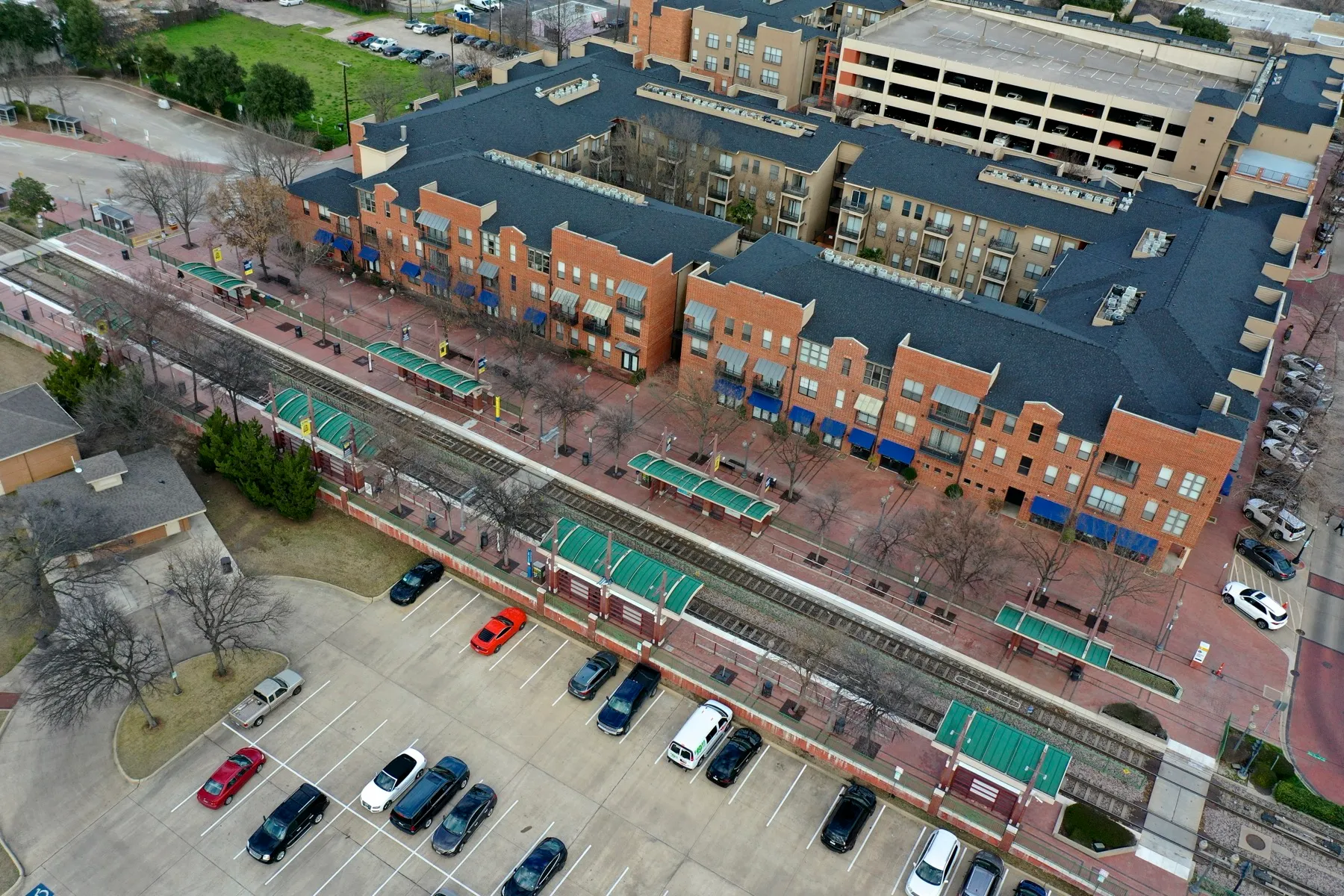
Twenty minutes from downtown Dallas on the Red Line. Danazar / Wikimedia Commons (CC BY-SA 4.0)
Plano grew first, matured first, and now holds the one thing the
younger towns cannot buy: a finished city. Toyota’s North American headquarters,
JPMorgan’s 11,000-person campus, PepsiCo, Ericsson and Frito-Lay all
operate here, giving Plano more corporate weight than most state
capitals.
Niche ranks it the No. 6 city to live in America for 2026 and No. 5 in
the country for public schools among cities. And Plano quietly has the
best transit in suburban Texas: the DART Red Line has run for decades,
and the new Silver Line opened last October, connecting Plano to DFW
Airport by train. Legacy West covers the urban-night-out file, and Oak
Point Park spreads 800 acres for everything else.
The city has little room left to build, and you feel that in both directions.
Growth has slowed to a crawl, parts of east Plano show their 1970s
bones, and the state grades Plano ISD a B even while Niche grades the
schools A+. For a buyer who wants a mature tree canopy and a train to
the airport instead of a construction zone, the rank undersells it.
Good to know:
Plano is nearly built out. That means mature trees and settled neighborhoods, and it also means slower new-home supply.
How it scored
Housing
4.2 out of 5
Schools
4.6 out of 5
Safety
4.6 out of 5
Jobs
4.9 out of 5
Everyday life
4.5 out of 5
Key facts
County
Collin
Population
294,773 (2026 est.)
Typical home value
$507,575 (Zillow, April 2026)
Median income
$112,253
Schools
Plano ISD, Niche A+
Transit
DART Red Line, plus the new Silver Line
Pros
Niche's No. 6 city to live in America for 2026
JPMorgan alone employs more than 11,000 people in town
Real rail transit, rare for a Texas suburb
Cons
Nearly built out, so growth and new housing have slowed
U.S. News just named it the best big city to live in America. A typical house costs $237,000, the sun shows up 302 days a year, and a state park bigger than some towns sits inside the city limits.
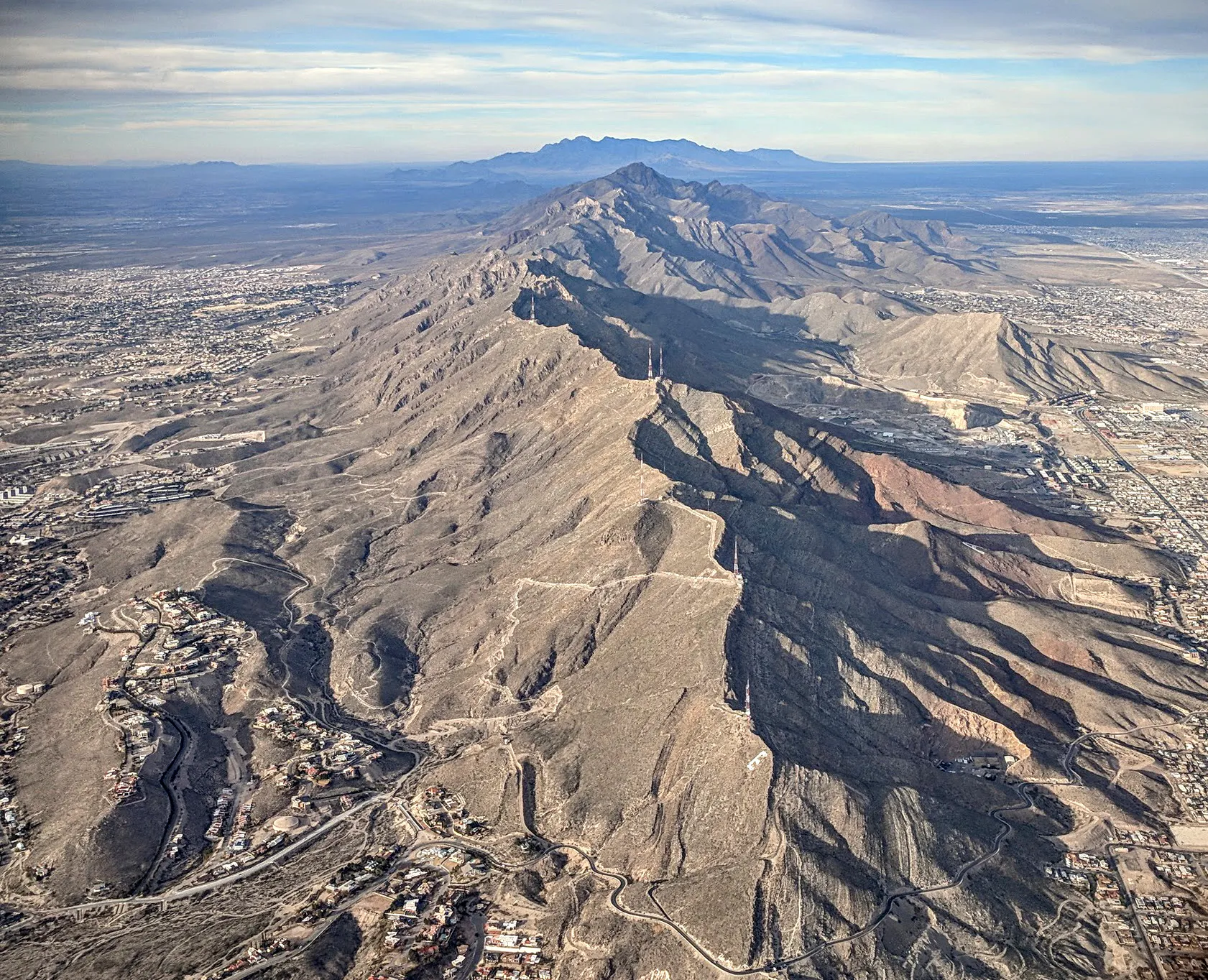
The Franklins run right through the middle of the city. Juárez starts just past the far edge. Dicklyon / Wikimedia Commons (CC BY-SA 4.0)
In May, U.S. News named El Paso the best big city to live in America,
ahead of every glossier name in Texas. No other city here comes close on
cost. A typical home runs $237,327, less than half the price of most
towns above it. The average commute takes about 21 minutes, and FBI data
shows only a handful of America’s 100 largest cities with lower crime
rates.
It is also the most distinctive place here. El Paso sits at 3,888 feet
where Texas, New Mexico and Mexico meet, gets 302 days of sun a year,
and keeps Franklin Mountains State Park, 24,000 acres of desert peaks,
entirely inside the city limits. Fort Bliss anchors the economy with
more than 47,000 jobs, and the Mission Trail runs past churches older
than the United States.
Median household income is $59,745, about half what the big suburbs
above it earn, and the rest of urban Texas is a 550-mile drive. El Paso
works best for remote workers, military families, and anyone whose
salary travels with them.
Best for:
buyers priced out everywhere else: a typical house costs $237,000 and the crime rate ranks among the lowest of America’s big cities.
How it scored
Housing
4.9 out of 5
Schools
3.9 out of 5
Safety
4.6 out of 5
Jobs
3.8 out of 5
Everyday life
4.4 out of 5
Key facts
County
El Paso
Population
683,012 (Census est., 2025)
Typical home value
$237,327 (Zillow, May 2026)
Median income
$59,745
Schools
Ysleta ISD rates A- on Niche
Average commute
About 21 minutes
Pros
Cheapest homes here by more than $100,000
Among the lowest crime rates of America's 100 biggest cities
Franklin Mountains State Park, 24,000 acres inside the city
Cons
Median income is roughly half the suburbs above it
San Antonio-Austin corridor★4.3(pop. 122,492)★Price: $351K
Two spring-fed rivers, the oldest dance hall in Texas and the cheapest homes of any Austin-San Antonio pick. Bring a tube and flood insurance.
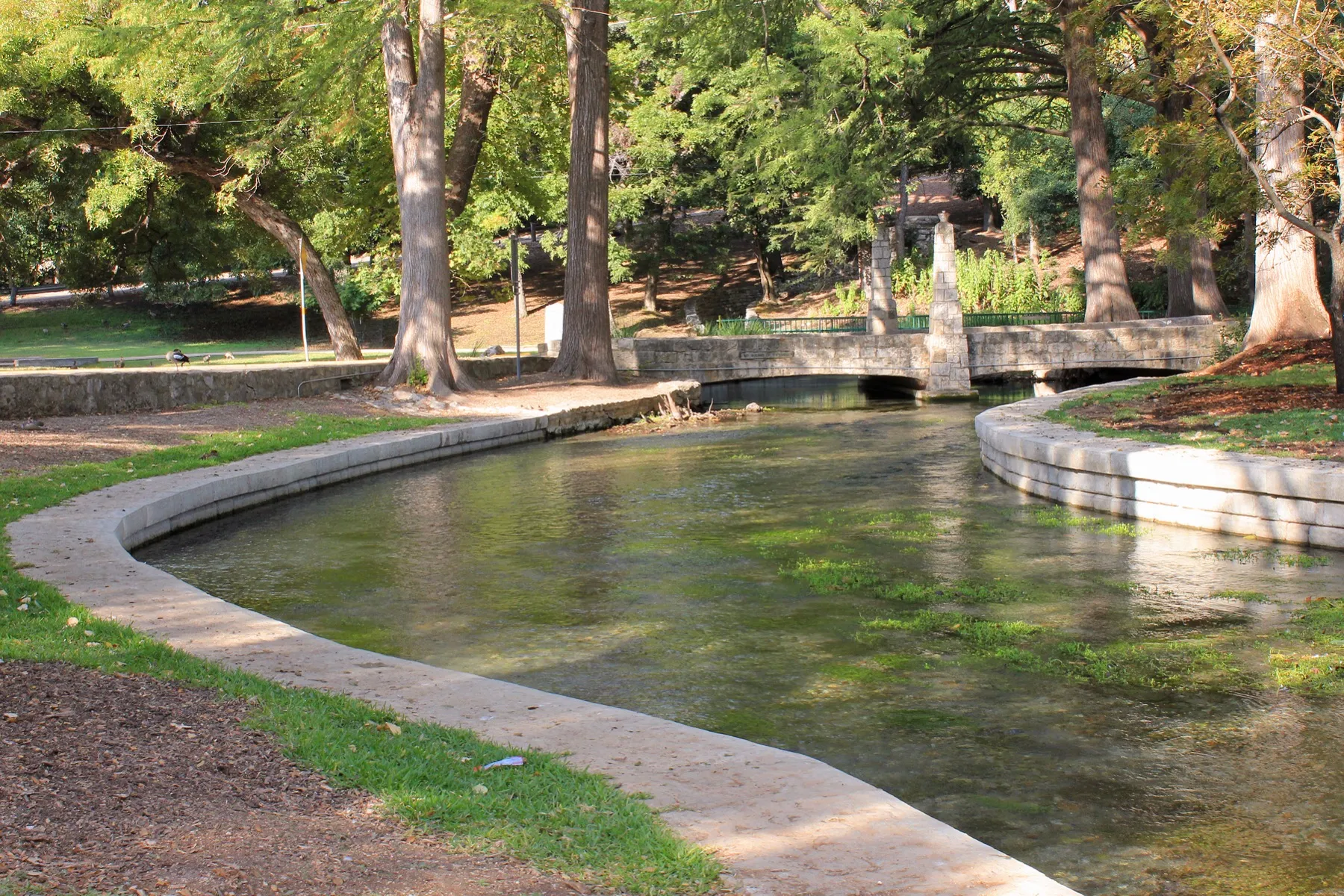
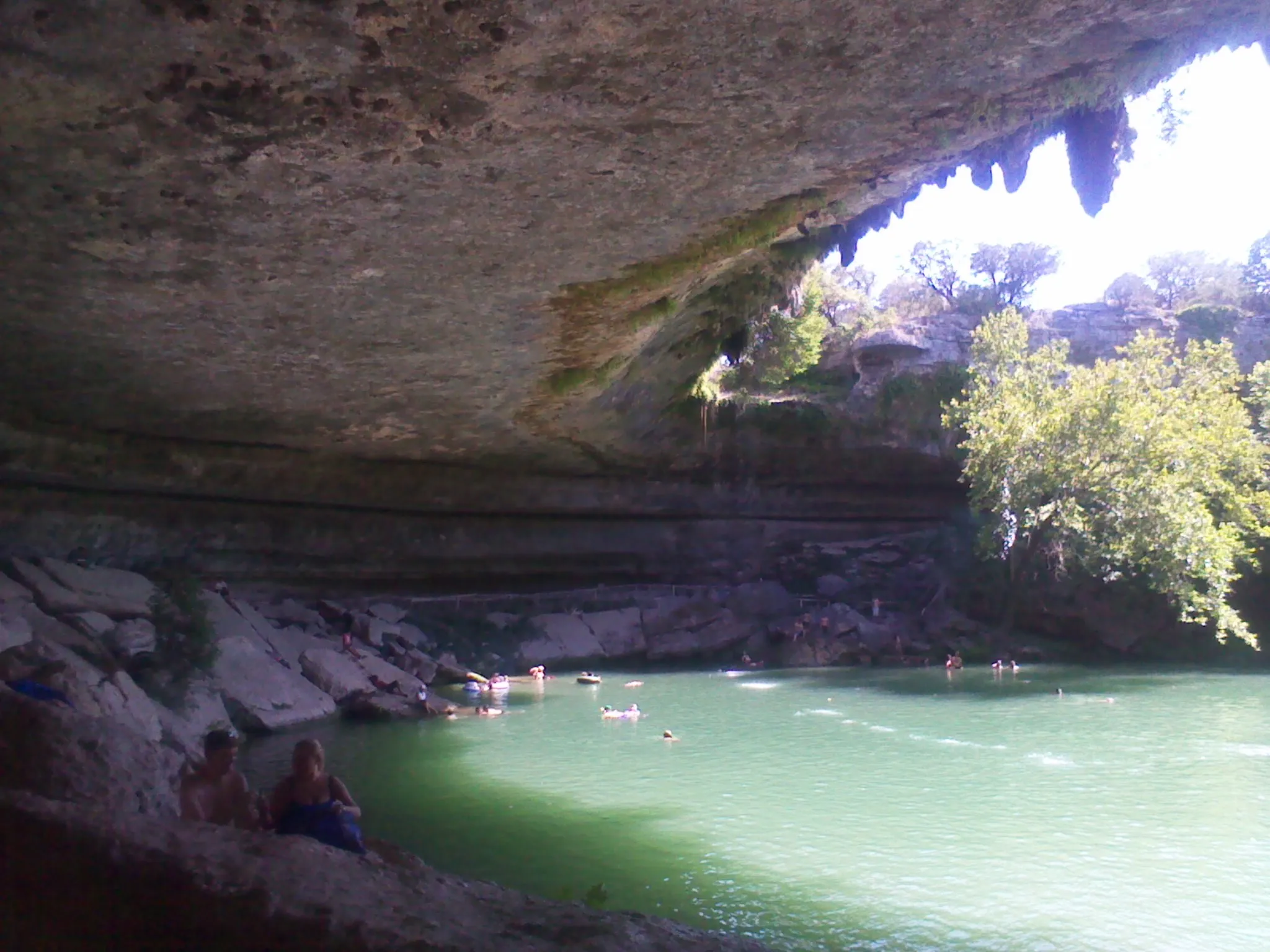
The shortest river in the state, and the coldest thing to do all summer. Larry D. Moore / Wikimedia Commons (CC BY 4.0)
New Braunfels is the only town on this list where the main amenity flows
at three miles an hour. The spring-fed Comal, one of the shortest rivers
in the country, rises inside the city and meets the Guadalupe under a
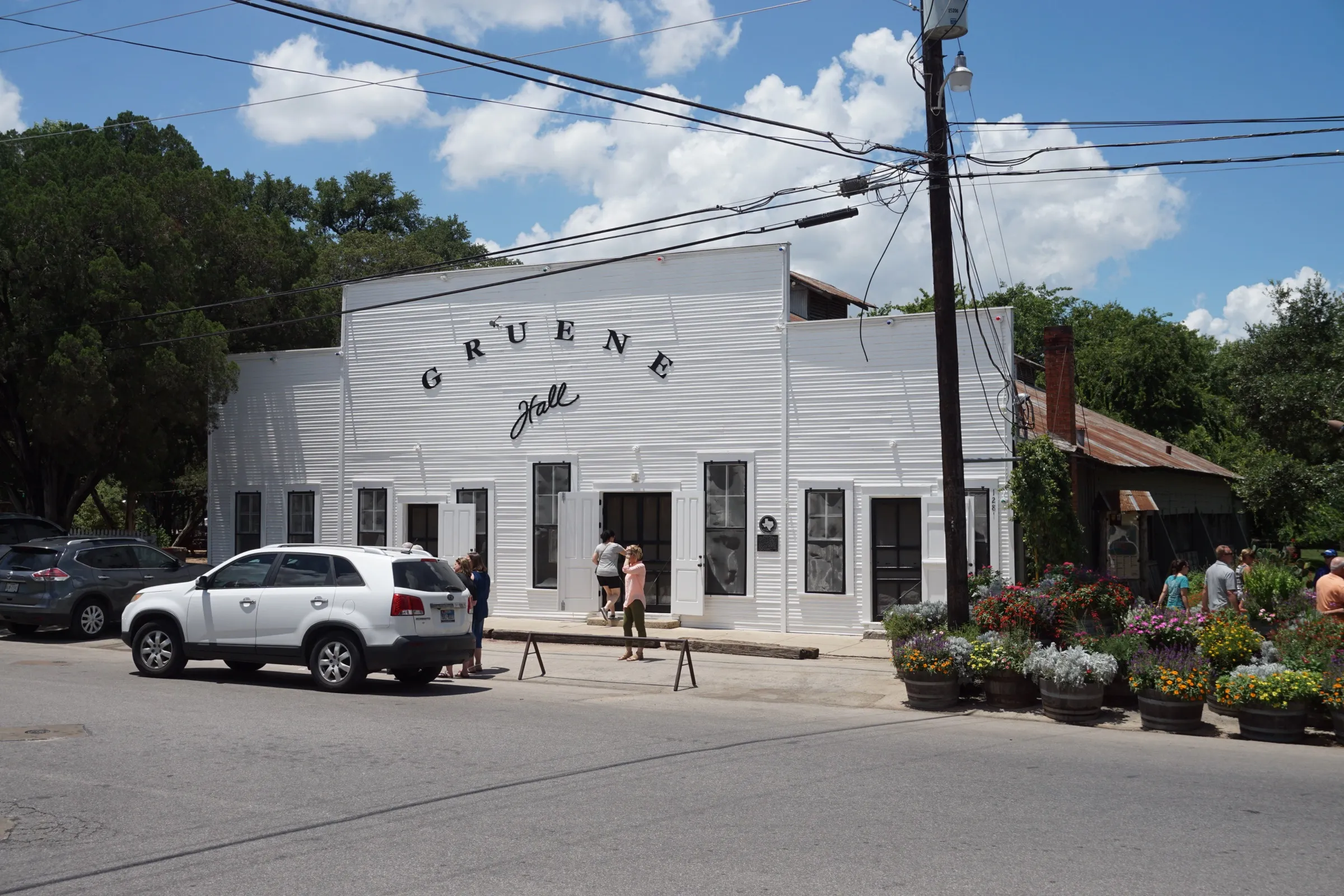
canopy of cypress, and floating them is the town pastime. Gruene Hall
has hosted dances since 1878, the oldest hall in Texas still doing it,
and Wurstfest has celebrated the town’s German founders every November
for over sixty years.
The town has grown 35 percent since 2020, to 122,492 people, and a
typical home still costs $351,340, the least of any I-35 corridor pick.
Comal ISD grades an A on Niche, and SmartAsset counts New Braunfels the
fourth safest midsize city in the state. San Antonio is a 31-mile
commute, Austin about 45, and plenty of residents split the difference.
It ranks twelfth because the river cuts both ways. The 2025 Hill Country
floods closed river access repeatedly and dented the tourism economy
that supports 16,000 local jobs, and homes near the confluence carry
real flood risk. Median income, at $86,021, also trails most of this
list. Price the insurance before you fall in love.
If you go look: Visit on a summer Saturday
before you buy. If the tubing crowds on the Comal charm you rather than
grate on you, the town will fit.
How it scored
Housing
4.7 out of 5
Schools
4.5 out of 5
Safety
4.6 out of 5
Jobs
3.9 out of 5
Everyday life
4.7 out of 5
Key facts
County
Comal
Population
122,492 (Census est., 2025)
Typical home value
$351,340 (Zillow, June 2026)
Median income
$86,021
Schools
Comal ISD, Niche A
San Antonio
About 31 miles on I-35
Pros
Fourth safest midsize city in Texas, per SmartAsset 2026
The Comal and Guadalupe rivers run right through town
Grew 35 percent since 2020 and still costs the least here
Cons
The 2025 Hill Country floods hit the rivers and the tourism economy
Flower Mound tops our 2026 ranking. It pairs the highest household income and best crime grade on our list with Lewisville ISD schools, 57 parks and a spot on Grapevine Lake, ten minutes from DFW Airport. U.S. News ranks it the No. 3 place to live in the whole country.
What is the most affordable place to live in Texas?
Of our twelve picks, El Paso is the cheapest by a wide margin. A typical home there cost $237,327 in May 2026, per Zillow, against a statewide median of about $328,000. New Braunfels, at $351,340, is the cheapest pick along the I-35 corridor.
Is Texas an affordable state to live in?
Mostly. Overall costs run about 9 percent below the national average, and there is no state income tax. The catch is property taxes, which average 1.4 percent of a home's value against 0.9 percent nationally, and home insurance that averages $4,704 a year, about 64 percent above the U.S. norm.
Why are so many people moving to Texas?
Jobs and housing costs, mostly. Texas added 391,243 residents in 2025, the most of any state, and U-Haul ranked it the No. 1 growth state that year. More than 300 companies have moved their headquarters to Texas since 2015, including Tesla, Caterpillar and Chevron.
What is the safest place to live in Texas?
Among our picks, Georgetown. SmartAsset named it the safest midsize city in Texas for 2026. Flower Mound carries the best crime grade among our suburbs, and El Paso posts one of the lowest crime rates of any of America's 100 largest cities.
Which Texas city is best for families?
The Woodlands and Frisco make the strongest family case. Niche ranks The Woodlands the No. 2 city in America to raise a family for 2026, and Frisco ISD is the only district on our list with a straight A from the Texas Education Agency.
Sources & Methodology
We used the records, official pages and independent sources listed below to report and verify this guide. No source paid for placement.
–Population and income: U.S. Census Bureau QuickFacts and Vintage 2025 estimates, plus city estimates for Frisco and McKinney, pulled July 2026.
–Home prices: Zillow Home Value Index by city (March to June 2026) and Redfin (Flower Mound, Nov. 2025); statewide median from Texas Realtors, Q1 2026.
–Schools: Texas Education Agency 2024-25 accountability grades and Niche 2026 district report cards.
–Safety: SmartAsset safest cities studies (2023, 2026), MoneyGeek 2025 safest cities, FBI data via El Paso Matters.
–Rankings cited: U.S. News Best Places to Live 2026-2027, Niche Best Places to Live 2026, Livability Top 100 (2026), WalletHub housing markets (2025).
–Statewide context: MERIC cost of living index (Q1 2026), Tax Foundation property tax data, U-Haul Growth Index 2025, Texas Tribune Census reporting, Dallas Fed employment data (April 2026), Insurify and NerdWallet insurance figures.
–Employer and attraction figures: company and city economic development statements, chamber of commerce employer lists, and local press coverage, checked July 2026.
–Cost of living, migration and insurance figures re-checked the week of publication.
Diego writes about road trips, state parks and the long empty stretches in between. His guides focus on routes, reservation rules, seasonal closures and practical access details.