Texas has ninety-odd state parks and one reservation system that punishes the unprepared. These six are worth the drive, the fee, and the five-month wait.
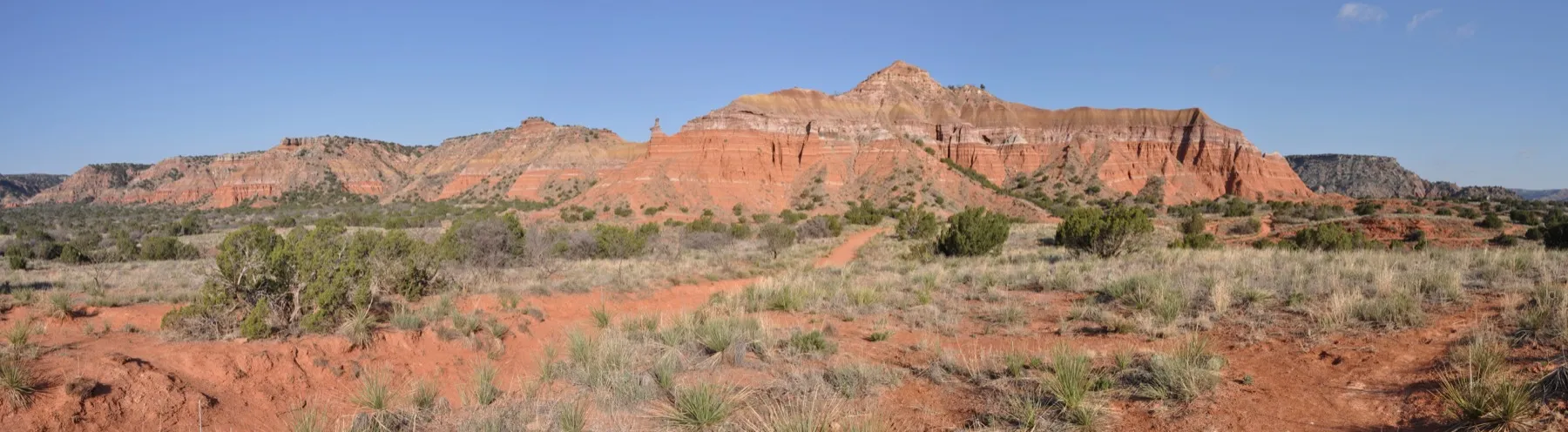
The Lighthouse formation, Palo Duro Canyon. Six miles in from the trailhead. Patrickhuber100 / Wikimedia Commons (CC BY-SA 4.0)
If you can only make one long drive this year, make it Palo Duro Canyon. After that it depends on what you want the weekend to feel like:
Top pick
Palo Duro Canyon State Park, Canyon: 800 feet deep and mostly empty on weekdays.
Real backcountry
Big Bend Ranch State Park, Presidio: 311,000 acres and almost no one in them.
Easiest big payoff
Enchanted Rock, Fredericksburg: ninety minutes from Austin, book the pass.
Best campsites
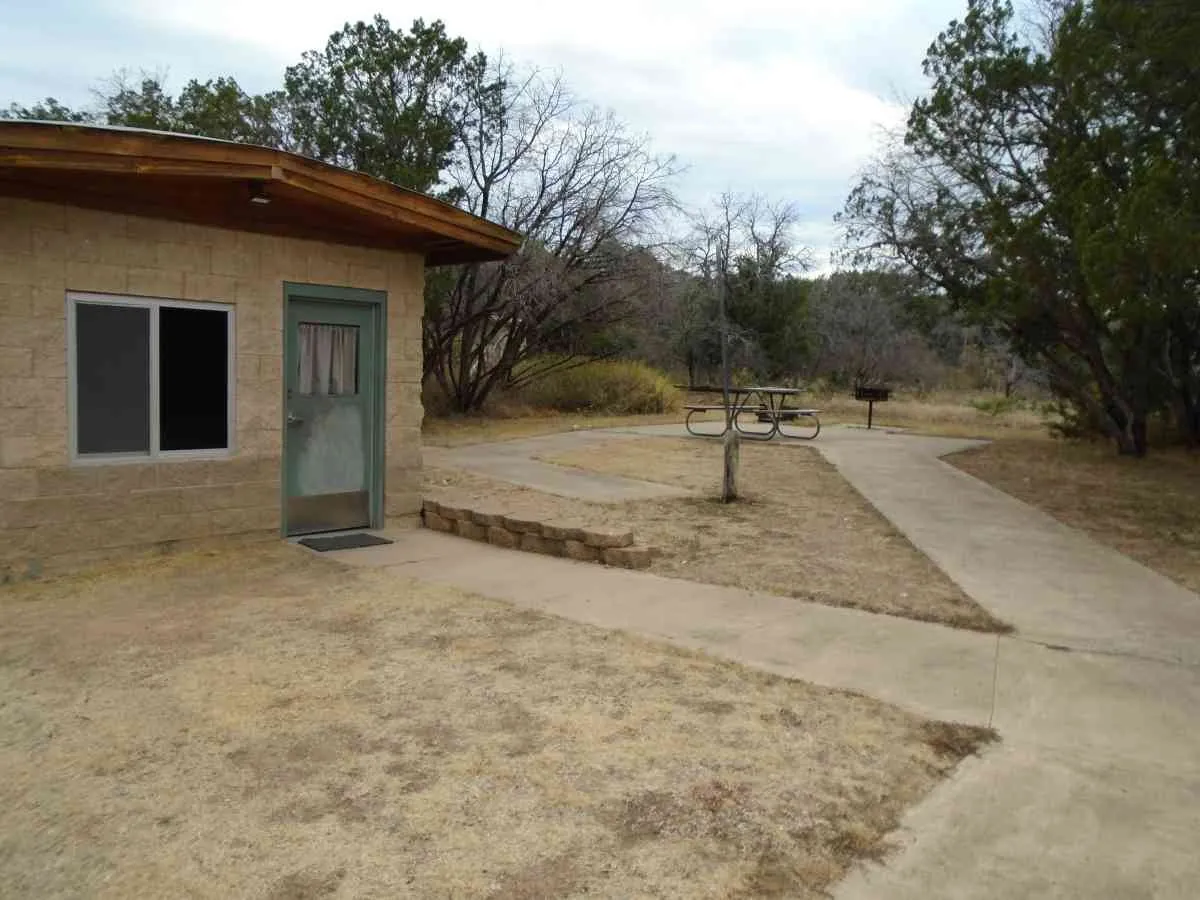
Davis Mountains State Park, Fort Davis: the CCC picked the sites, and it shows.
The state park system is the cheapest good thing Texas owns. Eight dollars gets you into
an 800-foot canyon in the Panhandle. Five gets you 311,000 acres of Chihuahuan desert with
nobody in it. The booking system has been overwhelmed since about 2020 and now rewards
people who plan five months out.
I spent last year and this one sleeping in 41 of them, 96 nights in total, mostly in a
tent and occasionally in the truck when the wind came up. These six were worth every mile
of the drive. The order accounts for what you see, what you walk, where you sleep, and how
much of a fight it is to get a reservation at all.
At a Glance
The top of the ranking, side by side. Scroll sideways on a phone for price and rating.
Nine Texas state parks worth the drive, with nearest town, what they are known for, entry fee and rating out of five.
Diego spent 2025 and the first half of 2026 sleeping in Texas state parks, 41 of them, for a total of 96 nights. Four things separated the six below from the rest:
1What you actually see. Terrain you cannot find elsewhere in the state, judged from the trail rather than from the overlook parking lot.
2The trails. Mileage, signage, water availability, and whether the good route is walkable between April and October without risking heat illness.
3The campsites. Spacing, shade, wind exposure, and how much of the site is level enough to sleep on. Electric hookups were noted but not rewarded.
4The booking reality. How far ahead a Saturday night goes, and whether a weekday walk-up has any chance at all.
Entry fees and reservation windows were confirmed against Texas Parks and Wildlife listings in May 2026. Campsite notes come from nights actually spent in them. We pay our own park fees and buy our own annual passes.
6 Texas State Parks Worth the Drive
1
No. 1: Palo Duro Canyon State Park
Canyon★4.9(6,180 reviews)★Price: $8/adult
The second largest canyon in the country sits an hour south of Amarillo, 800 feet deep, and most of the state has never driven up to see it.
Eight hundred feet deep and the second largest canyon in the country. Fredlyfish4 / Wikimedia Commons (CC BY-SA 3.0)
You drive across flat brown Panhandle farmland for an hour out of Amarillo, and then the
ground opens up. Palo Duro is 800 feet deep and about 30,000 acres, and the road drops
into it in a series of switchbacks that make first-time visitors pull over. Most of
Texas has never been.
The Lighthouse Trail is the walk everyone does, 5.75 miles round trip to a hoodoo that
stands alone on a ridge. Start it before seven in summer. The canyon floor runs about
ten degrees hotter than the rim and there is no shade for the last two miles.
Book this:
a CCC-built cabin on the rim. There are only a handful, they are close to a century
old, and they go about four months out.
How it scored
Scenery
5.0 out of 5
Trails
4.8 out of 5
Campsites
4.7 out of 5
Solitude
4.4 out of 5
Key facts
Opened
1934
Size
About 30,000 acres
Entry
$8 adults, free under 12
Camping
Tent, RV and CCC-built cabins
Best trail
Lighthouse, 5.75 miles round trip
Book by
Four months out for a rim cabin
Pros
Terrain that does not exist anywhere else in Texas
Cabins built by the Civilian Conservation Corps in the 1930s
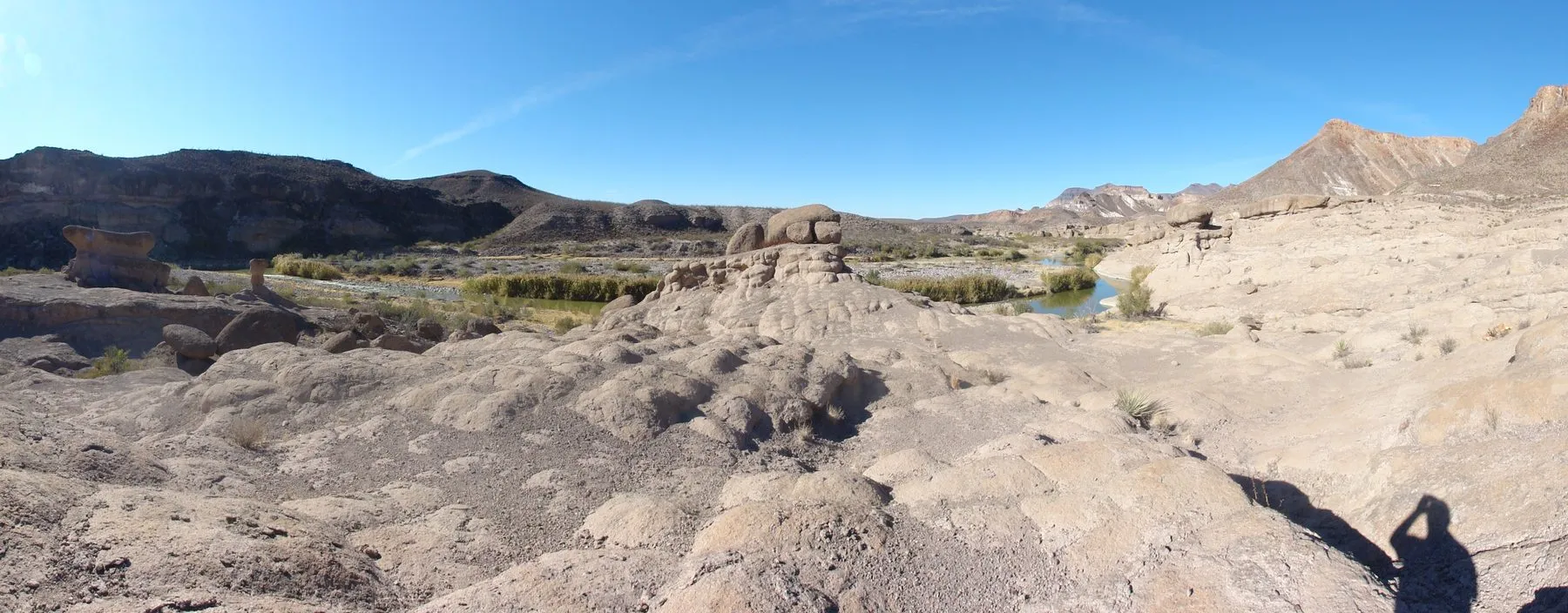
The largest state park in Texas, and the emptiest. High-clearance roads, no cell service, and a collapsed volcanic dome called the Solitario at the middle of it.
River Road threads desert and rock along the park's southern edge. Todd Dwyer / Wikimedia Commons (CC BY-SA 3.0)
Big Bend Ranch is the largest park in the Texas system and the least visited by a wide
margin. Its neighbor to the east gets around 500,000 people a year. This one gets a few
thousand. You can drive the interior road for three hours and pass nobody.
At the center is the Solitario, a collapsed volcanic dome nine miles across that looks
from the air like something dropped on the desert. Getting near it requires high
clearance, a permit, and all of your own water. There is no cell service anywhere in the
interior and no fuel between Presidio and Study Butte.
Heads up:
tell someone your route and your return time before you leave pavement. Recovery out
here is measured in days, not hours.
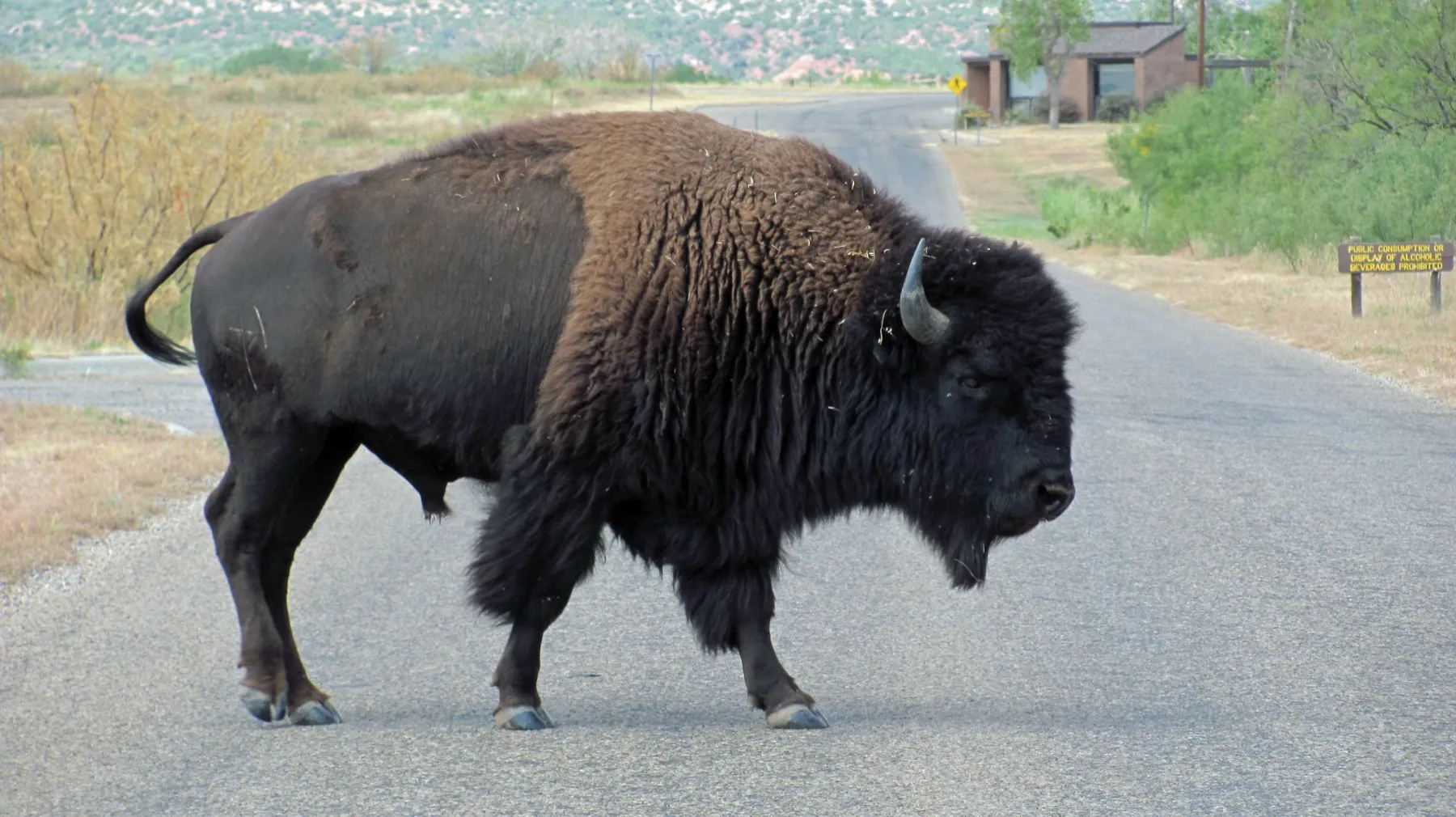
Red rock, a 64-mile rail trail, and the official Texas State Bison Herd wandering through the campground as though it owns it. Which, functionally, it does.
The official Texas State Bison Herd roams the park. RichieB_pics / Wikimedia Commons (CC BY 2.0)
Caprock is the park where a bison may block your walk to the restroom, and this is not a
figure of speech. The official Texas State Bison Herd descends from animals Charles
Goodnight kept in the 1870s, and Texas Parks and Wildlife turned them loose across the
whole park in 2011. They go where they want. You wait.
The other draw is the Caprock Canyons Trailway, 64 miles of converted rail bed running
from Estelline to South Plains, including a quarter-mile tunnel that a few hundred
thousand Brazilian free-tailed bats leave every summer evening.
Heads up:
stay fifty yards from the herd and never get between a cow and a calf. Bulls run
faster than you and weigh close to a ton.
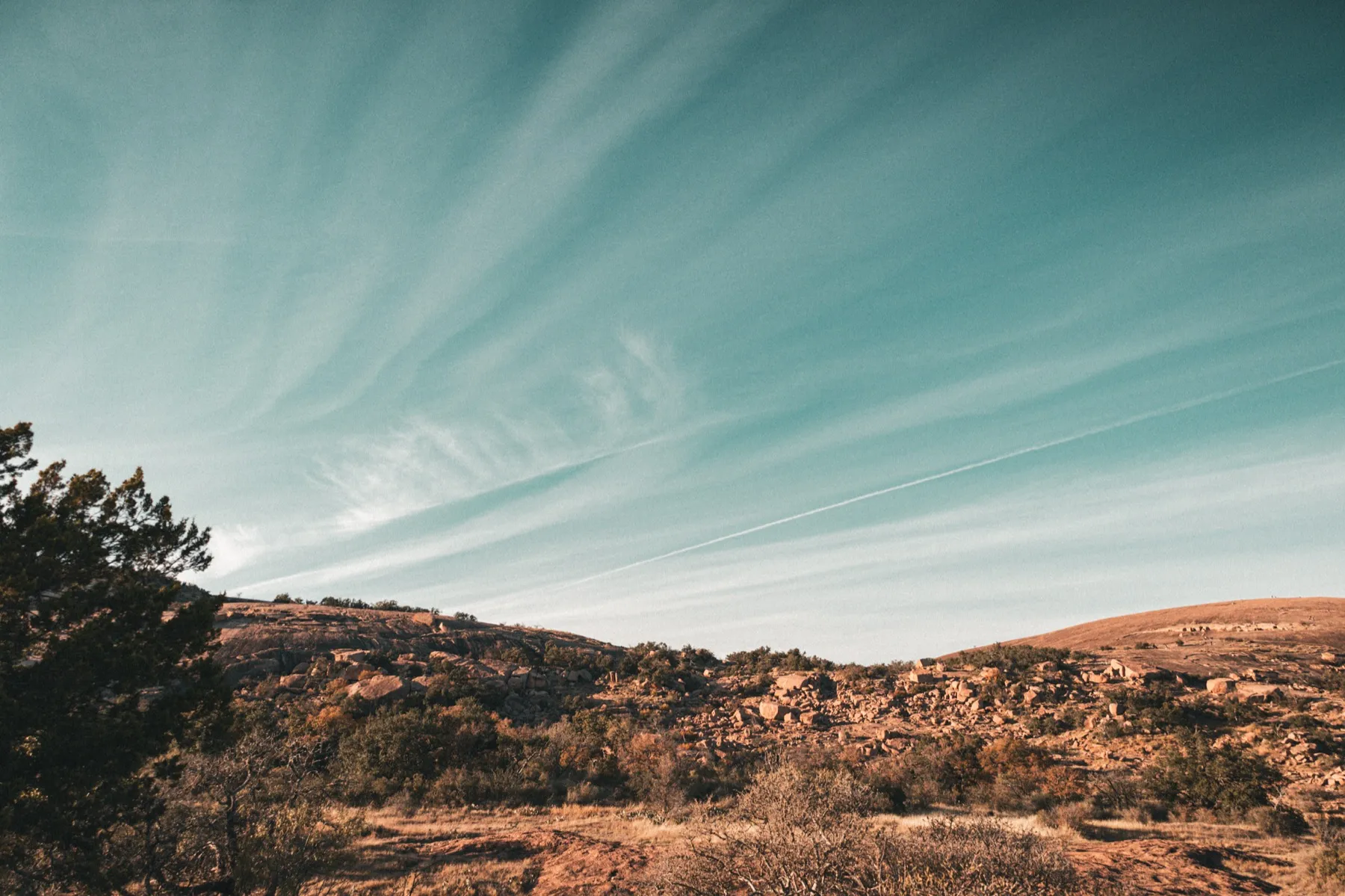
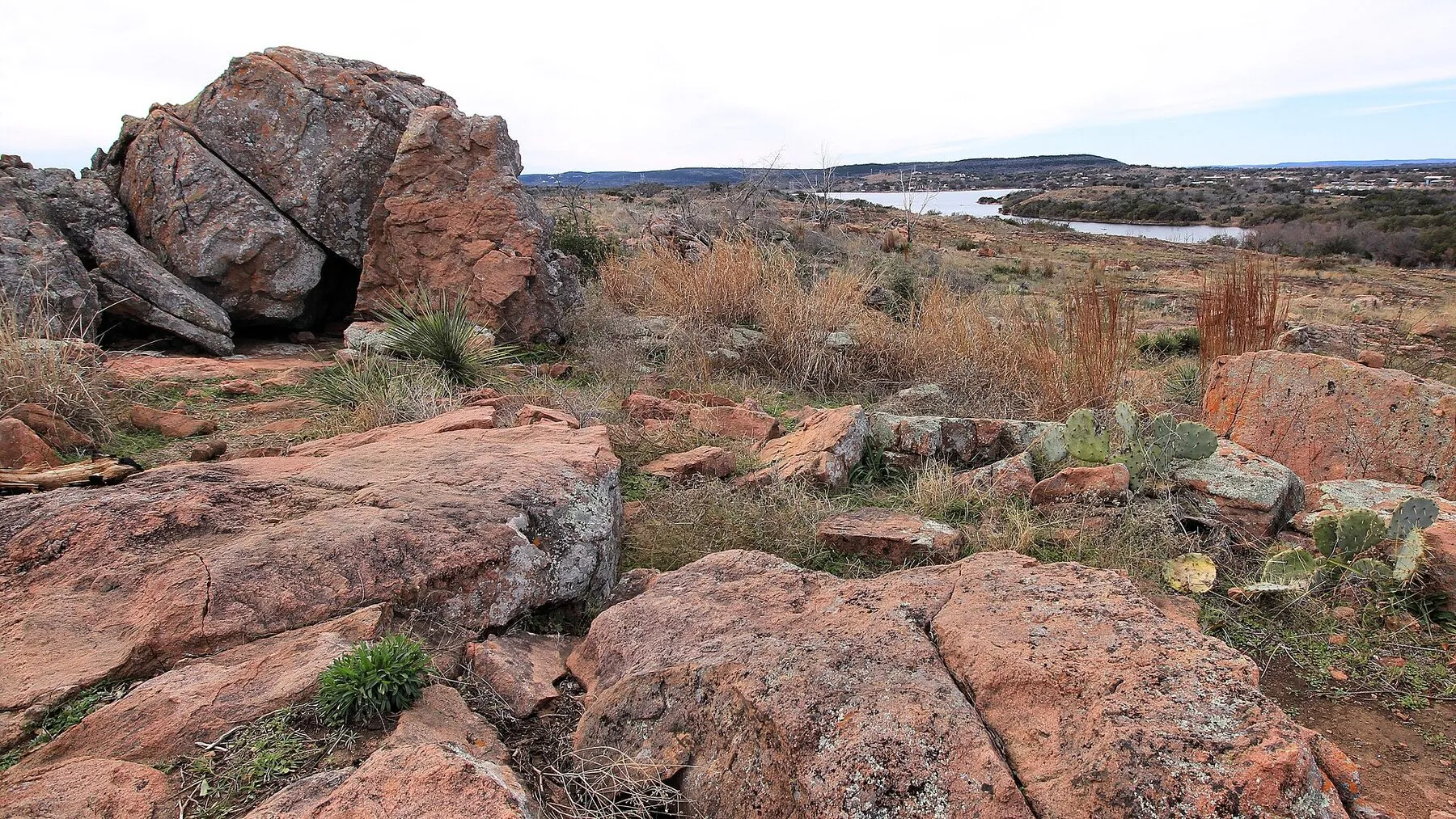
A billion-year-old granite batholith rising 425 feet out of the Llano Uplift, and the single hardest day pass to get in Texas.
A billion-year-old granite batholith. The walk up takes about half an hour. Ligocsicnarf89 / Wikimedia Commons (CC BY 4.0)
Enchanted Rock is a granite batholith about a billion years old, rising 425 feet above
the surrounding scrub, and the walk to the top takes most people forty-five minutes. It
is the easiest big payoff in the state, which is precisely the problem. Day passes
release thirty days ahead at eight in the morning and are typically gone by five past.
Go on a weekday in November. The granite is cool, the crowd is thin, and the Llano
Uplift looks like a different state from the top.
Heads up:
day passes vanish within minutes of release, so book at 8 a.m. exactly 30 days out, and stay off the granite at midday in July.
How it scored
Scenery
4.7 out of 5
Trails
4.4 out of 5
Campsites
3.9 out of 5
Solitude
3.6 out of 5
Key facts
Opened
1978
Size
About 1,640 acres
Entry
$8 adults, day pass required
Summit
425 feet, about 45 minutes up
Camping
Walk-in tent sites only
Book by
8 a.m., 30 days ahead
Pros
Ninety minutes from Austin and San Antonio both
The summit walk is short and pays off immediately
Excellent stargazing for a Hill Country park
Cons
Day passes are gone within minutes of release
The granite gets dangerously hot by midday in July
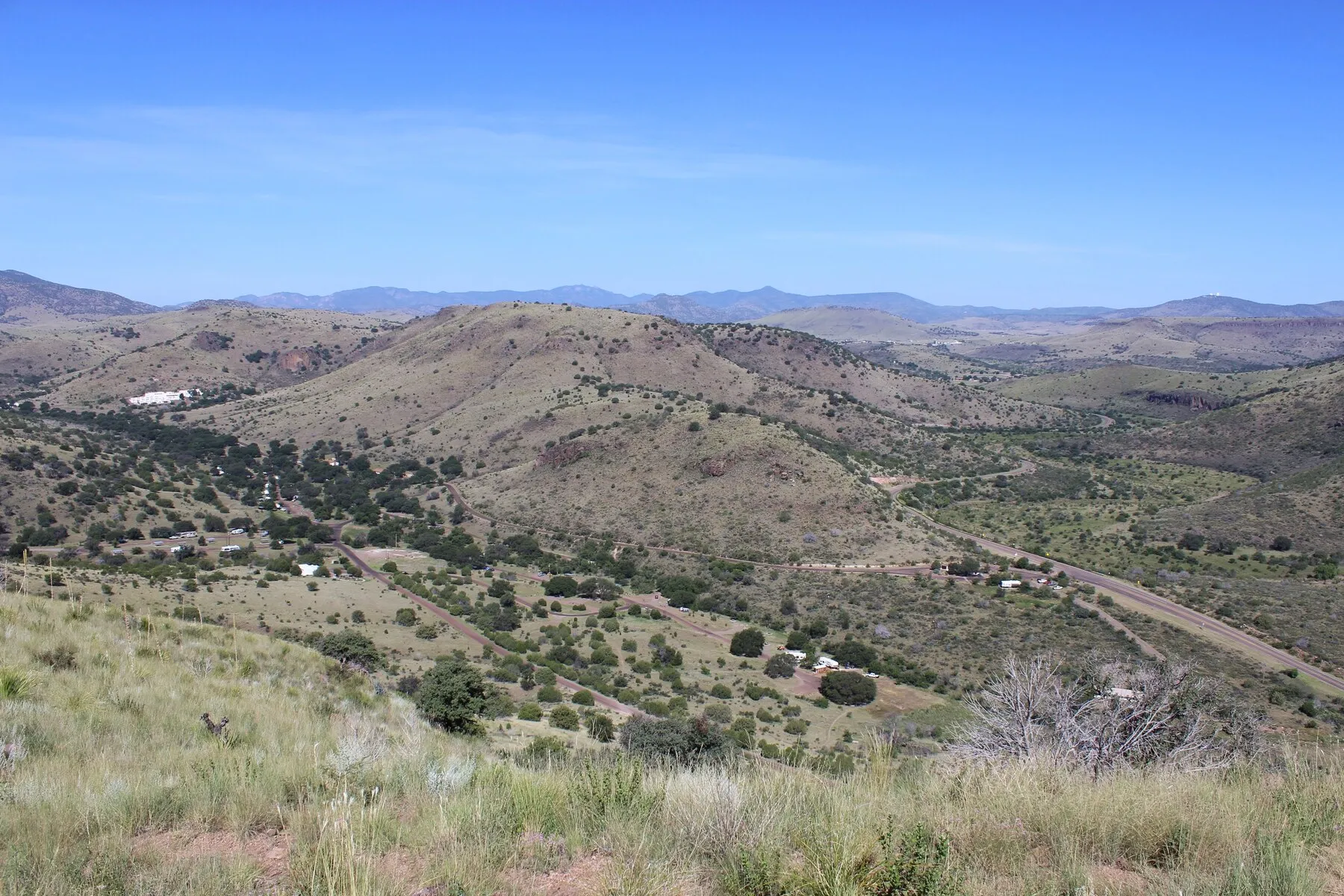
A mile-high park in the only real mountain range East Texans have heard of, with a 1930s adobe lodge and the observatory sixteen miles up the road.
Indian Lodge sits at the far left of this view across the park. Travis K. Witt / Wikimedia Commons (CC BY-SA 4.0)
This park sits at 5,000 feet in the Davis Mountains, which means August nights actually
cool off, which means it is the only park in Texas where summer camping is pleasant
rather than survivable. The Civilian Conservation Corps laid out the sites in the 1930s
and picked them well. They also built Indian Lodge, a white adobe hotel inside the park
that still takes bookings and still has the original furniture in some rooms.
Indian Lodge is the reason to plan ahead. The adobe hotel the CCC built in the 1930s still rents rooms inside the park, and they book six months out. Miss the window and you can still camp, drive Skyline Drive at dusk, and make the twice-weekly star party at McDonald Observatory sixteen miles up the road.
Know before you go:
the McDonald Observatory is sixteen miles up Highway 118 and runs star parties twice
a week. Book those separately and well ahead.
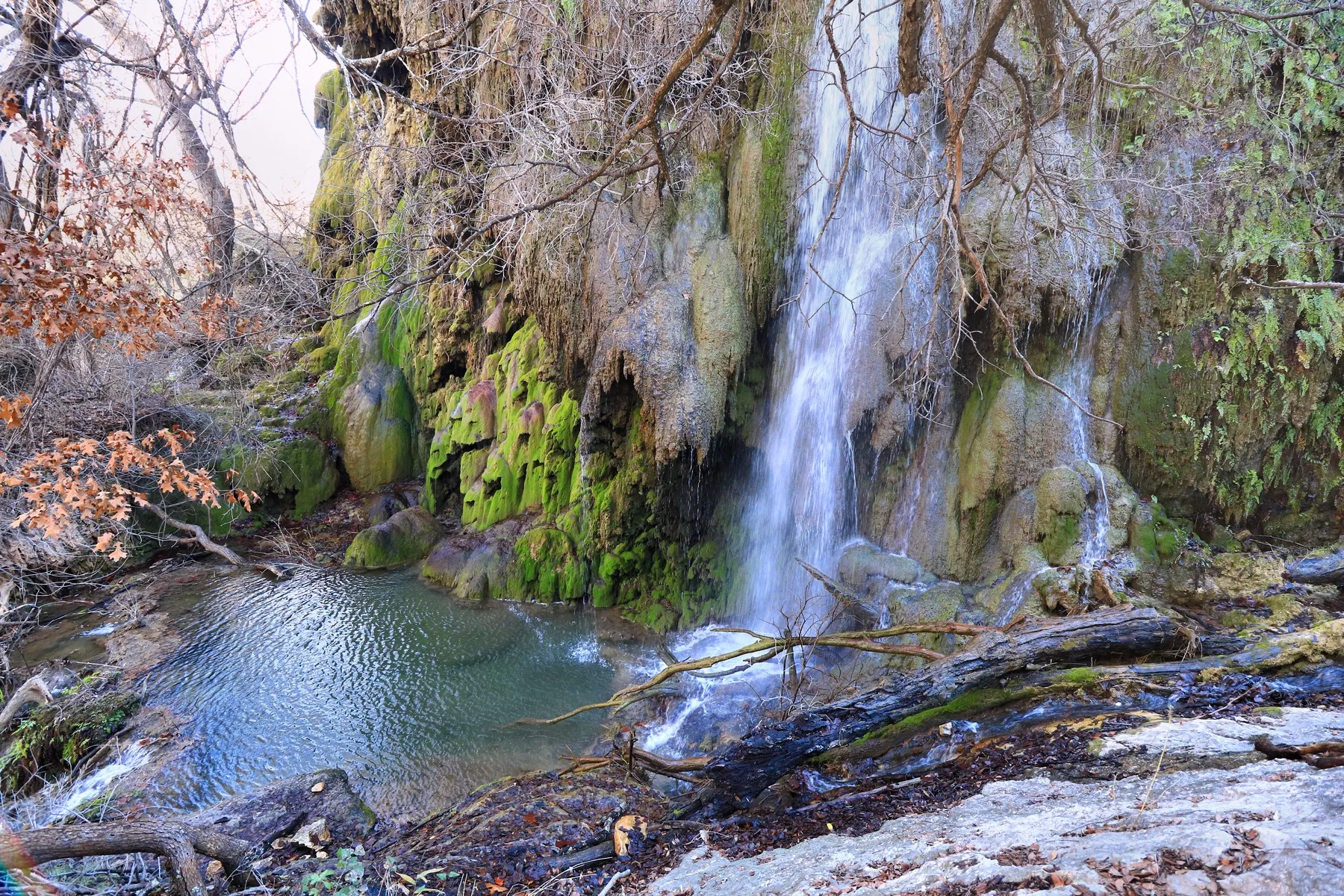
A 70-foot travertine waterfall at the end of a mile and a half of loose rock, in a park most of the Hill Country drives past.
Seventy feet of spring-fed travertine, a mile-and-a-half in. Larry D. Moore / Wikimedia Commons (CC BY 4.0)
Six miles of washboard gravel keeps Colorado Bend quieter than a park ninety minutes
from Austin has any business being. At the end of the main trail, a mile and a half out
over loose rock, Gorman Falls drops seventy feet down a living travertine face that is
still forming. It is the best waterfall in Central Texas and it is not close.
The park also runs guided wild cave tours most weekends, the kind where you crawl. Book
ahead, wear clothes you are prepared to throw away, and do not bring a good headlamp
you are attached to.
Know before you go:
the last six miles into the park are unpaved and wash out after heavy rain. A sedan
is fine in dry weather and slow going otherwise.
How it scored
Scenery
4.6 out of 5
Trails
4.5 out of 5
Campsites
4.2 out of 5
Solitude
4.3 out of 5
Key facts
Opened
1987
Size
About 5,300 acres
Entry
$5 adults, free under 12
Camping
Drive-up and walk-in primitive
Best trail
Gorman Falls, 1.5 miles each way
Access road
Six miles of gravel
Pros
The best waterfall in Central Texas
Guided wild cave tours most weekends
Excellent paddling on the Colorado
Cons
Last six miles are washboard gravel
The falls trail is loose rock and steep at the end
Palo Duro Canyon, an hour south of Amarillo. It is 800 feet deep, roughly 30,000 acres, and it has cabins the Civilian Conservation Corps built on the rim in the 1930s. Big Bend Ranch is the pick if you want solitude over scenery.
How far ahead do I need to book a Texas state park?
Campsites open five months ahead and popular Saturday nights at Palo Duro, Garner and Davis Mountains go within days. Enchanted Rock day passes release 30 days out at 8 a.m. and are usually gone before 8:05.
How much does it cost to get into a Texas state park?
Between $5 and $8 per adult per day at the parks on this list, with children under 12 free almost everywhere. The Texas State Parks Pass costs $70 a year and pays for itself in about five visits.
Do I need four-wheel drive for Big Bend Ranch State Park?
For the main road into the interior, yes, or at minimum high clearance. A sedan can reach the Barton Warnock and Fort Leaton visitor centers and the FM 170 pullouts, and nothing beyond that.
When is the best time of year to camp in Texas state parks?
October through April for anywhere south of the Panhandle. Summer camping is workable in the Davis Mountains at 5,000 feet and dangerous in the desert parks, where afternoon highs run past 110.
Which Texas state park has bison?
Caprock Canyons, near Quitaque. The official Texas State Bison Herd descends from animals Charles Goodnight kept in the 1870s and roams the whole park, including the campground. They have the right of way, always.
Sources & Methodology
We used the records, official pages and independent sources listed below to report and verify this guide. No source paid for placement.
–Field reporting: 41 Texas state parks visited and 96 nights camped between January 2025 and April 2026.
–Entry fees, campsite counts and reservation windows confirmed against Texas Parks and Wildlife listings, May 2026.
–Bison herd history confirmed with Caprock Canyons interpretive staff.
–Road conditions in Big Bend Ranch checked with the Barton Warnock Visitor Center.
Diego writes about road trips, state parks and the long empty stretches in between. His guides focus on routes, reservation rules, seasonal closures and practical access details.