5 Historic Dance Halls Still Two-Steppin'
Some of these floors have been in continuous use since the 1870s. We went for the bands and stayed for the rooms, which turn out to be the real story.
By Marisol Vega, Food Editor
The Short Answer
The oldest continuously operating dance hall in Texas is Gruene Hall, and it is also the best one to start with. Where you go after that depends on the night:
- Gruene Hall, New Braunfels: open since 1878, seven nights a week.
- Twin Sisters Dance Hall, Blanco: 1870 pine, and the dancers know it.
- Sengelmann Hall, Schulenburg: a full kitchen downstairs, hall upstairs.
- Luckenbach Dance Hall: pickers under the oaks from about two o'clock.
There were once more than a thousand dance halls in Texas, most of them built by German and Czech agricultural societies who needed somewhere to hold a meeting, a wedding and a funeral in the same room. Fewer than four hundred are standing. Maybe eighty still book bands.
I spent nine months going to the ones that do. What surprised me was not the music, which is what everybody writes about, but the buildings: high ceilings designed to pull hot air up and out, side walls that swing open, floors laid over joists with deliberate give in them. These rooms were engineered for a July night before anyone had electricity to spend on the problem.
At a Glance
| # | Place | City | Known for | Price | Rating |
|---|---|---|---|---|---|
| 1 | Gruene Hall | New Braunfels | Oldest in Texas | Free–$25 | 4.9 out of 5 |
| 2 | Twin Sisters Dance Hall | Blanco | The dancing | $15 cover | 4.8 out of 5 |
| 3 | Sengelmann Hall | Schulenburg | Kitchen downstairs | $10–$20 | 4.7 out of 5 |
| 4 | Luckenbach Dance Hall | Luckenbach | Sunday pickers | Free–$20 | 4.6 out of 5 |
| 5 | Anhalt Hall | Spring Branch | Three dances a year | $20 cover | 4.5 out of 5 |
How We Chose Them
Marisol spent nine months driving between Blanco, Schulenburg, Spring Branch and New Braunfels on Friday and Saturday nights, and a fair number of Sundays. Four things decided the order:
- The floor. Original boards where they survive, and enough give underfoot to two-step on for three hours without your knees quitting.
- The room. Ceiling height, cross ventilation, sight lines to the band, and whether the building has been restored or merely repainted.
- The bands. How many nights a week the hall books live music, and whether the booking has any point of view beyond covers.
- The bar. Cash or card, beer selection, how long a line takes, and whether anyone has tried to install a cocktail program that does not belong.
Cover charges and band schedules were confirmed with each hall in June 2026 and change weekly. Several of these buildings are run by nonprofit societies whose calendars go up a month at a time. Call before you drive. Nothing here is sponsored.
5 Texas Dance Halls, Ranked
No. 1: Gruene Hall
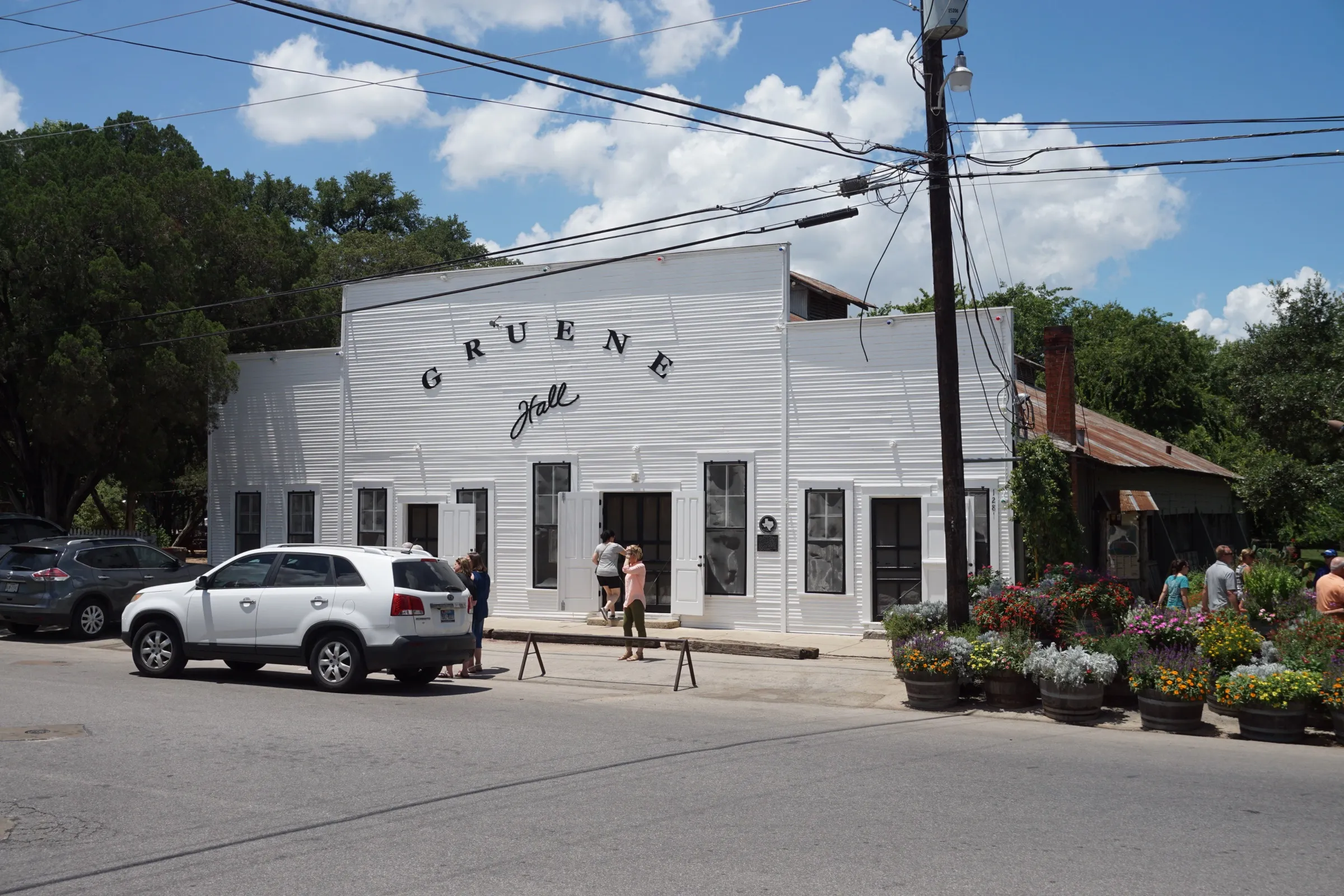
Built in 1878 and never once closed for good, with the original floor, the original windows, and a band on it almost every night of the year.
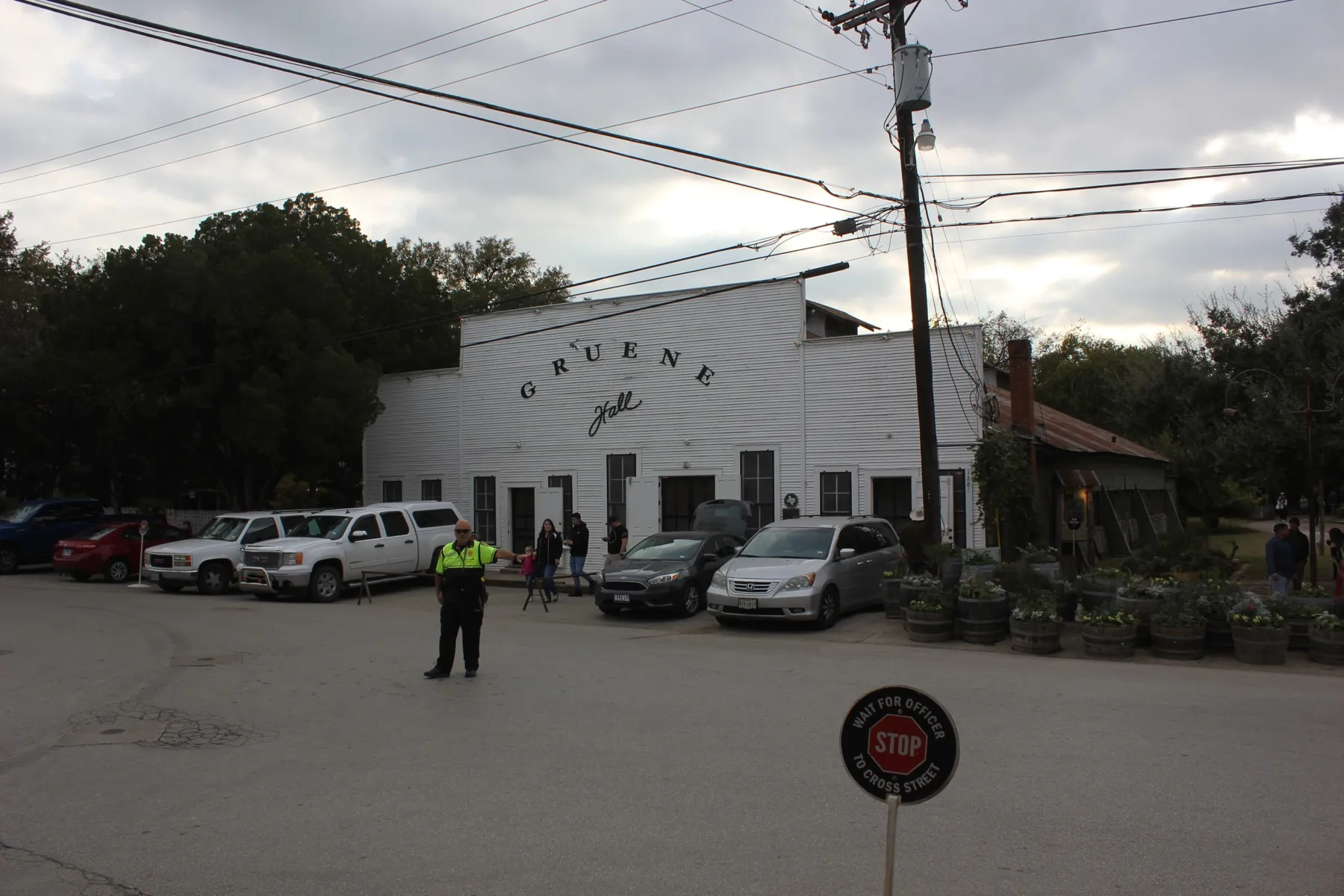
Side doors open, no air conditioning, and the floor has not changed since 1878. Nicolas Henderson from Coppell, Texas / Wikimedia Commons (CC BY 2.0) Gruene Hall has been open, in some form, since 1878, and it has never been renovated in any way a preservationist would object to. The floor is longleaf pine. The windows have chicken wire instead of glass. There is no air conditioning and the owners have said, repeatedly and on the record, that there never will be.
Music runs close to seven nights a week and much of it is free. Willie Nelson has played here. So has half of every touring roots act that comes through Central Texas, plus a rotation of local bands on weeknights who are, on a good Tuesday, better.
Best for:a first visit, and a Thursday rather than a Saturday.
How it scored- 4.9 out of 5
- 5.0 out of 5
- 4.9 out of 5
- 4.5 out of 5
Key facts- 1878
- Original longleaf pine
- Free on many weeknights
- Seven nights most weeks
- Cash and card, beer and wine
- Ceiling fans and open sides only
Pros
- The oldest continuously operating hall in Texas
- Live music nearly every night, often free
- Front bar opens at eleven in the morning
Cons
- No air conditioning, by policy, forever
- Tourist-heavy on summer weekends
No. 2: Twin Sisters Dance Hall
An 1870 hall run by a members' society, where the couples on the floor have been dancing together since the Carter administration and it shows.
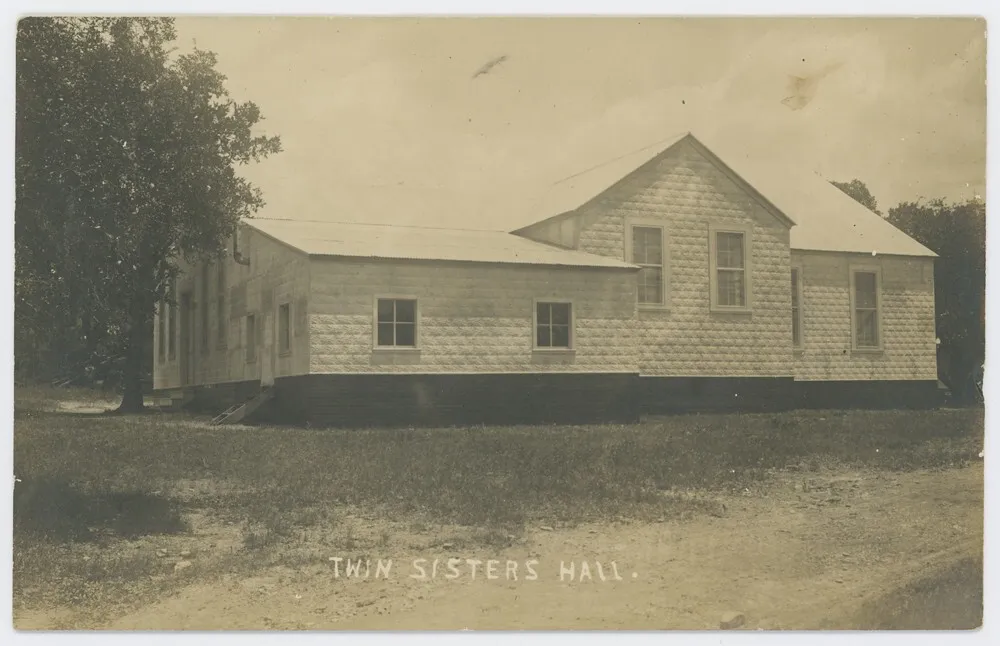
An archival postcard shows the hall outside Blanco between 1907 and 1918. Unknown photographer / DeGolyer Library, SMU (No known copyright restrictions) Twin Sisters is a members’ society hall outside Blanco that opens two Saturdays a month and does almost nothing to advertise it. The 1870 floor is waxed on a schedule and the crowd knows what to do with it. This is the only room on the list where I felt like a beginner, and I have been two-stepping since I was nine.
Bring your own bottle and bring cash. The bar sells setups, meaning ice and mixers, and that arrangement has not changed in living memory.
Know before you go:the calendar goes up about a month ahead and only on the society’s own page. Call the hall if you cannot find it.
How it scored- 5.0 out of 5
- 4.7 out of 5
- 4.6 out of 5
- 4.0 out of 5
Key facts- 1870
- Original pine, waxed monthly
- $15 at the door
- Two Saturdays a month
- Setups only, bring your own
- Cash at the door
Pros
- The best dancing on this list, by some distance
- Cover has not risen much in a decade
- Room holds about 300 and never feels packed
Cons
- Only open on scheduled dance nights
- Bring your own bottle, and cash
No. 3: Sengelmann Hall
An 1894 saloon and hall left empty for forty years, then rebuilt board by board in 2009. The upstairs floor is the payoff. The kitchen is the reason to arrive early.
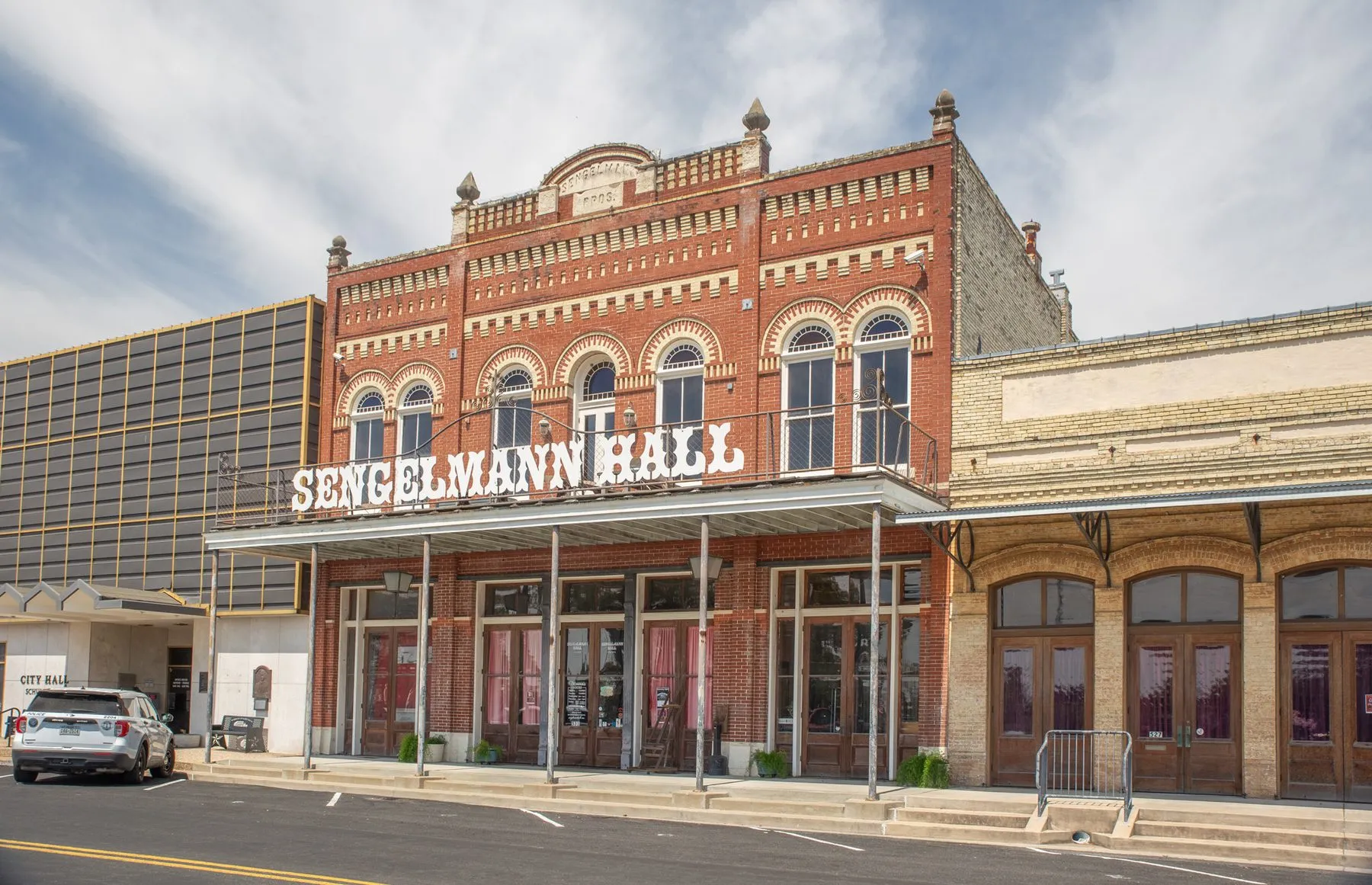
The restored 1894 facade on North Main Street in Schulenburg. Renegomezphotography / Wikimedia Commons (CC BY-SA 4.0) Sengelmann Hall sat empty on Schulenburg’s main street for roughly forty years before Dana Roy Harper bought it in 2007 and spent two years putting it back together. The upstairs hall is the reason to come: relaid original boards, pressed tin, and windows down both long walls.
Downstairs there is a full kitchen, which no other hall on this list can claim. Eat first. The chicken fried steak is honest and the beer list is longer than it has any need to be.
Arrive early:the downstairs kitchen serves a full menu, chicken fried steak included, so eat before the band starts upstairs.
How it scored- 4.6 out of 5
- 4.8 out of 5
- 4.5 out of 5
- 4.8 out of 5
Key facts- 1894
- 2009
- Upstairs, original boards relaid
- $10 to $20, show dependent
- Fri and Sat, plus Sunday sessions
- Full menu, chicken fried steak
Pros
- Restoration done properly, not prettified
- You can eat dinner in the same building
- Air conditioning upstairs, which is rare
Cons
- Ninety minutes from Austin or Houston
- Sells out for touring acts
No. 4: Luckenbach Dance Hall
A general store, a post office, an 1887 hall and a population that has never cracked double figures. The afternoon picking circle under the oaks is the real draw.
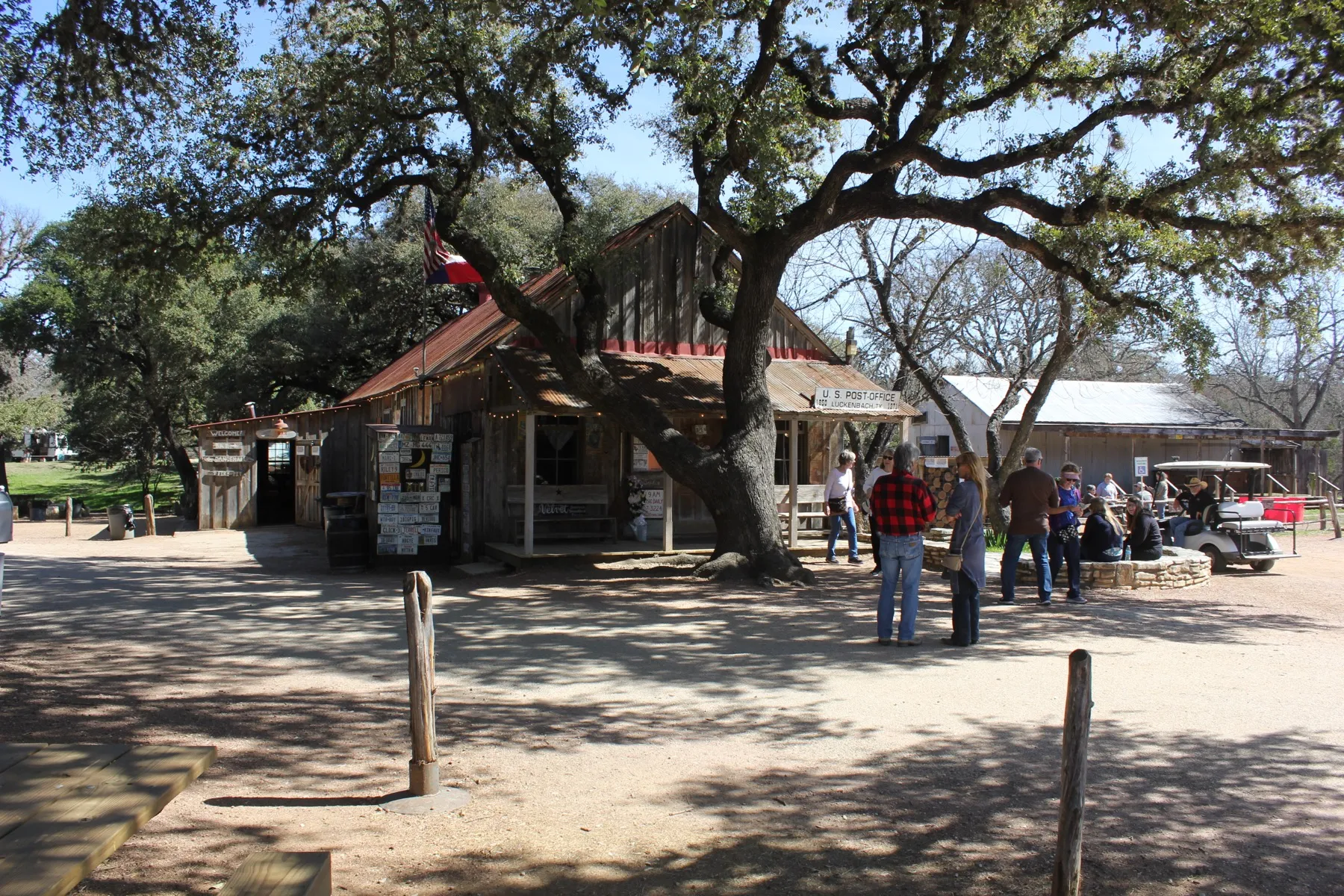
The picking circle sets up round the back most afternoons. Anyone can sit in. Nicolas Henderson / Wikimedia Commons (CC BY 2.0) The population sign at Luckenbach says three, which is generous. Hondo Crouch bought the town in 1970 for about thirty thousand dollars and turned it into a running joke that outlived him by fifty years. The 1887 hall books shows a few nights a week, but the thing worth driving for happens outside it.
Somewhere around one in the afternoon, players start pulling chairs into a circle under the oaks behind the store. Anyone with an instrument can sit in. Nobody takes a solo longer than they have earned. It goes until dark, and it is free.
Best for:a free afternoon: the picking circle under the oaks starts around 1 p.m. most days, and wandering the grounds costs nothing.
How it scored- 4.3 out of 5
- 4.5 out of 5
- 4.7 out of 5
- 4.4 out of 5
Key facts- 1887
- 1970
- Original, uneven in places
- Free outside, $10 to $20 in the hall
- Daily, from about 1 p.m.
- Cash and card, beer only
Pros
- The picking circle runs almost every afternoon
- Free to wander the grounds and listen
- Twenty minutes from Fredericksburg
Cons
- Tour buses arrive most spring weekends
- Hall itself is only open for booked shows
No. 5: Anhalt Hall
Built by an agricultural society in 1879 and still run by their descendants, who open the doors for a handful of dances a year and mean it.
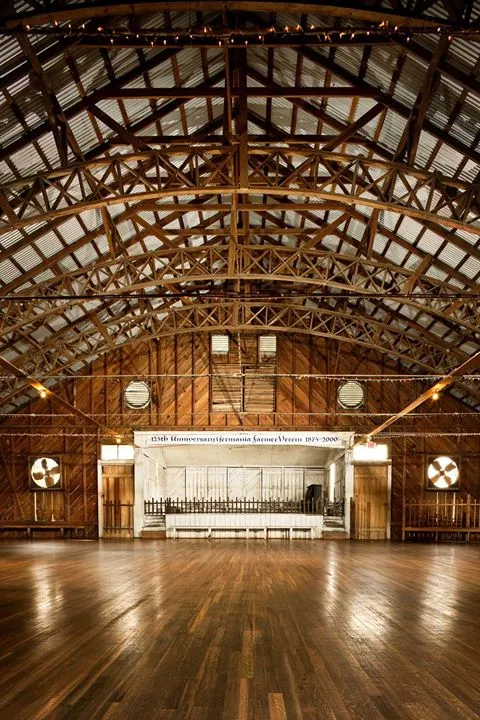
A German singing-society hall off US-281, dancing since 1908. Willmannjk / Wikimedia Commons (CC BY-SA 4.0) Anhalt Hall was built in 1879 by the Germania Farmer Verein, an agricultural society whose descendants still run the place, and it opens for three or four dances a year. That is the whole schedule. There is no website worth the name and the turnoff from US-281 is easy to miss twice.
Catching a dance here takes intent. The society opens the doors three or four times a year, cover is $20 cash at the gate, and the sausage plates come from the members themselves. There is no signage worth mentioning off US-281, so trust the map, not the road.
Go for:the May dance, when the society cooks sausage on site and the crowd runs from about six years old to ninety-two.
How it scored- 4.7 out of 5
- 4.6 out of 5
- 4.2 out of 5
- 4.1 out of 5
Key facts- 1879
- Germania Farmer Verein
- Original, roped for dancing only
- $20, cash at the gate
- Three or four a year
- Sausage plates by the society
Pros
- A working piece of German Texas, not a museum
- Sausage cooked by society members
- Multi-generational crowd, all of it dancing
Cons
- Open only a few days each year
- No signage worth mentioning off US-281
Frequently Asked Questions
What is the oldest dance hall in Texas?
Gruene Hall in New Braunfels, built in 1878 and the oldest continuously operating dance hall in the state. Twin Sisters in Blanco dates to 1870 but has had gaps in its schedule over the years.
How much does it cost to get into a Texas dance hall?
Anywhere from nothing to about $25. Gruene Hall is free on many weeknights and charges for touring acts. Twin Sisters runs $15, Anhalt $20, and Luckenbach is free on the grounds with a cover only for hall shows.
What do you wear to a Texas dance hall?
Whatever you can move in, and shoes with a smooth sole. Boots help. Rubber-soled sneakers stick to a waxed pine floor and will make a two-step harder than it needs to be.
Do you need to know how to two-step?
No, and nobody will care. Most halls run a lesson before the band starts on at least one night a week, and the older couples at Twin Sisters and Anhalt are, in our experience, alarmingly willing to teach you between songs.
Which Texas dance halls have live music every night?
Only Gruene Hall books music close to seven nights a week. Sengelmann runs Friday and Saturday plus Sunday sessions. Twin Sisters and Anhalt open only on scheduled dance nights, so check the calendar before you drive.
Are Texas dance halls air conditioned?
Mostly not. Gruene Hall has ceiling fans and open sides and has refused air conditioning for close to a century and a half. Sengelmann Hall in Schulenburg is the exception on this list, and in July that matters.
Sources & Methodology
We used the records, official pages and independent sources listed below to report and verify this guide. No source paid for placement.
- Field reporting: 22 dance halls visited between October 2025 and June 2026, most on more than one night.
- Cover charges and band calendars confirmed with each hall in June 2026.
- Construction dates cross-checked against Texas Historical Commission marker records.
- Interviews with board members at the Germania Farmer Verein and the Twin Sisters society.