A good weekend should not vanish behind a windshield. These routes pay back the drive with a clear plan, a strong first stop, and enough to do after check-in.
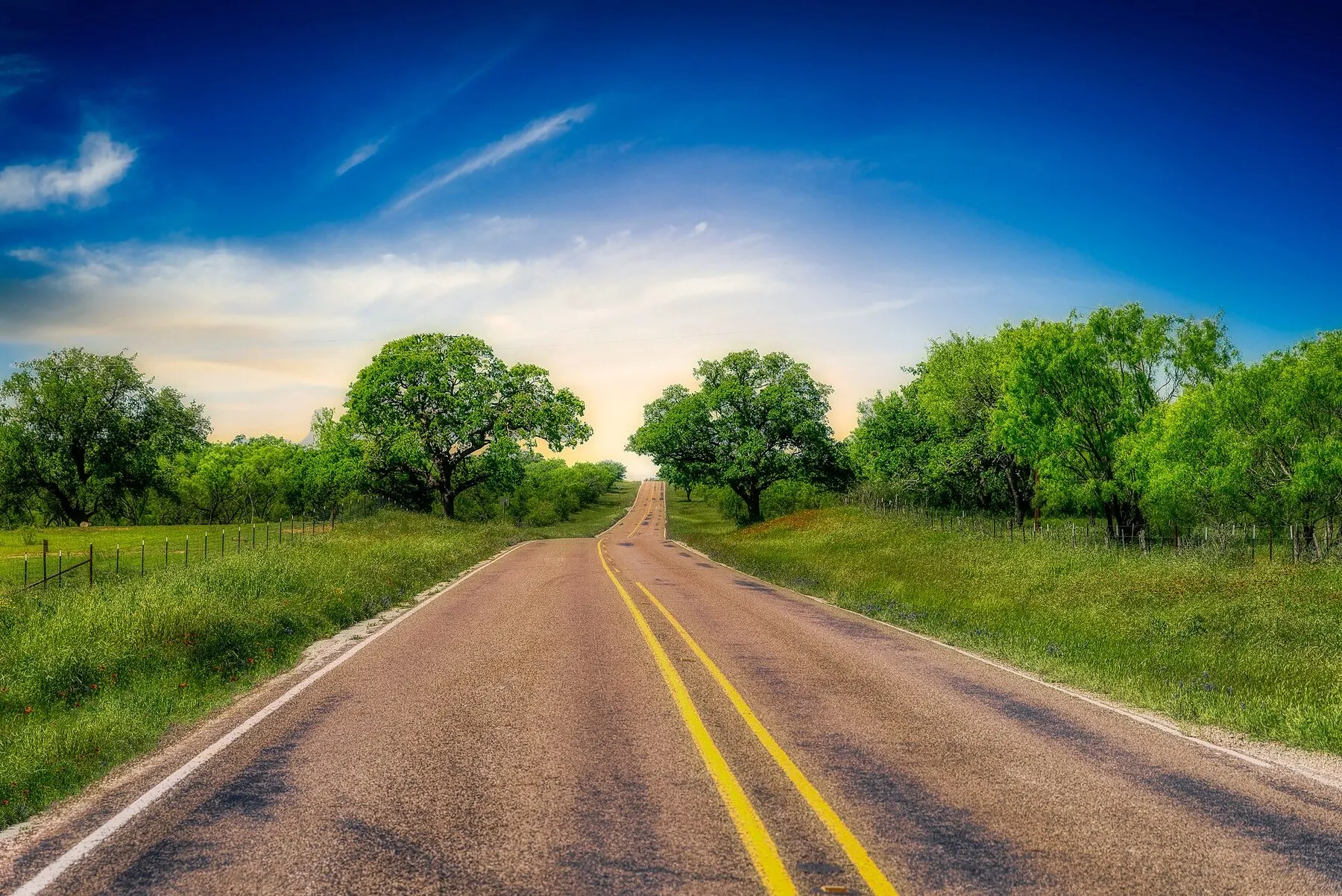
The best short road trips leave enough time to enjoy the destination after the drive. G. Lamar / Wikimedia Commons (CC BY 2.0)
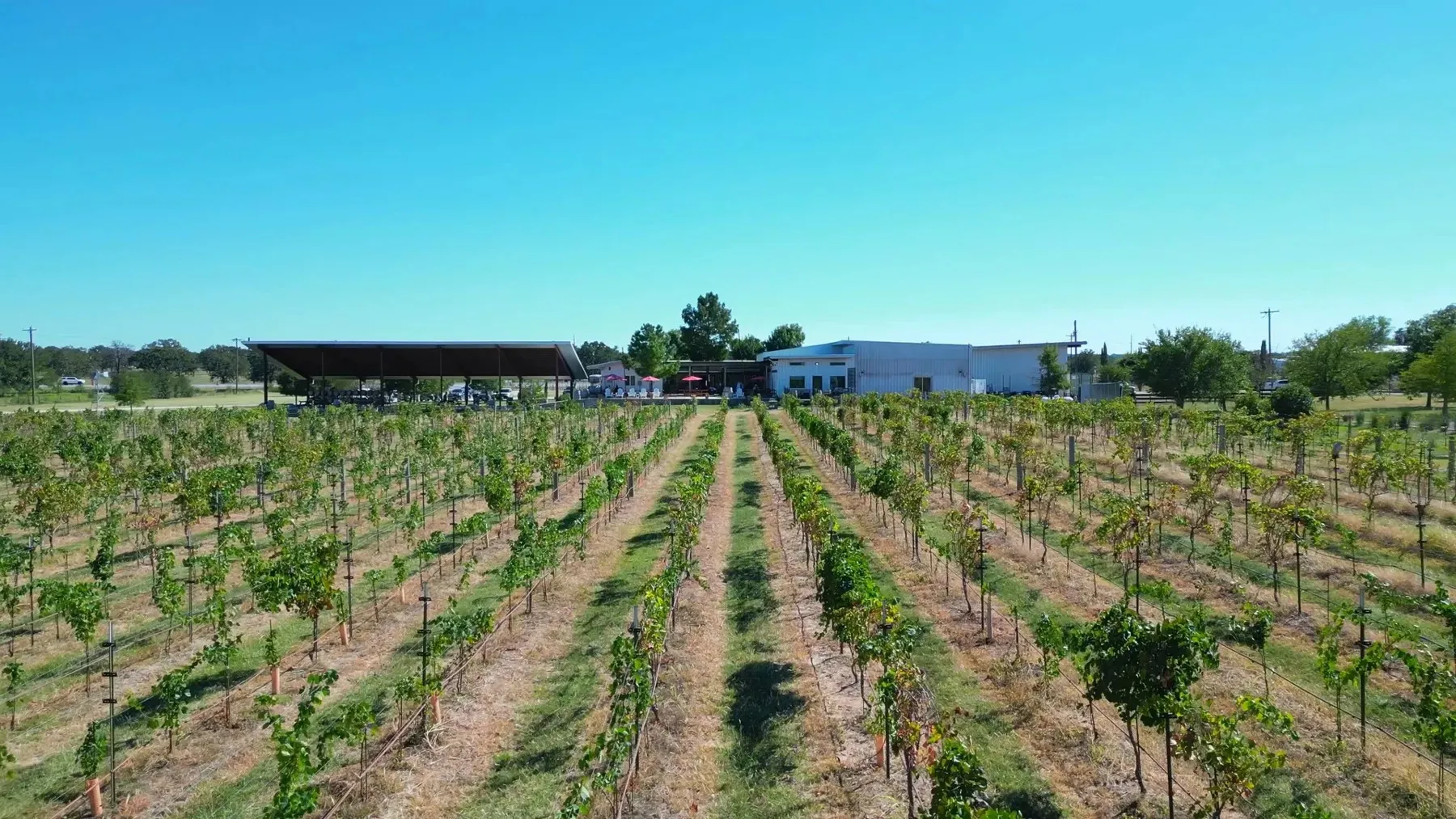
Gruene and New Braunfels is the best road trip from Austin for most people. The drive can take less than an hour, while the river, live music, food, and nearby rooms can fill a full night away.
Top pick
Gruene and New Braunfels: the strongest mix of short drive, night plans, and next-day fun.
Best quiet reset
Wimberley: a close Hill Country stay with a booked swim and an easy town square.
Best outdoors
Enchanted Rock and Fredericksburg: a real hike paired with one of the deepest lodging pools on this list.
Best long haul
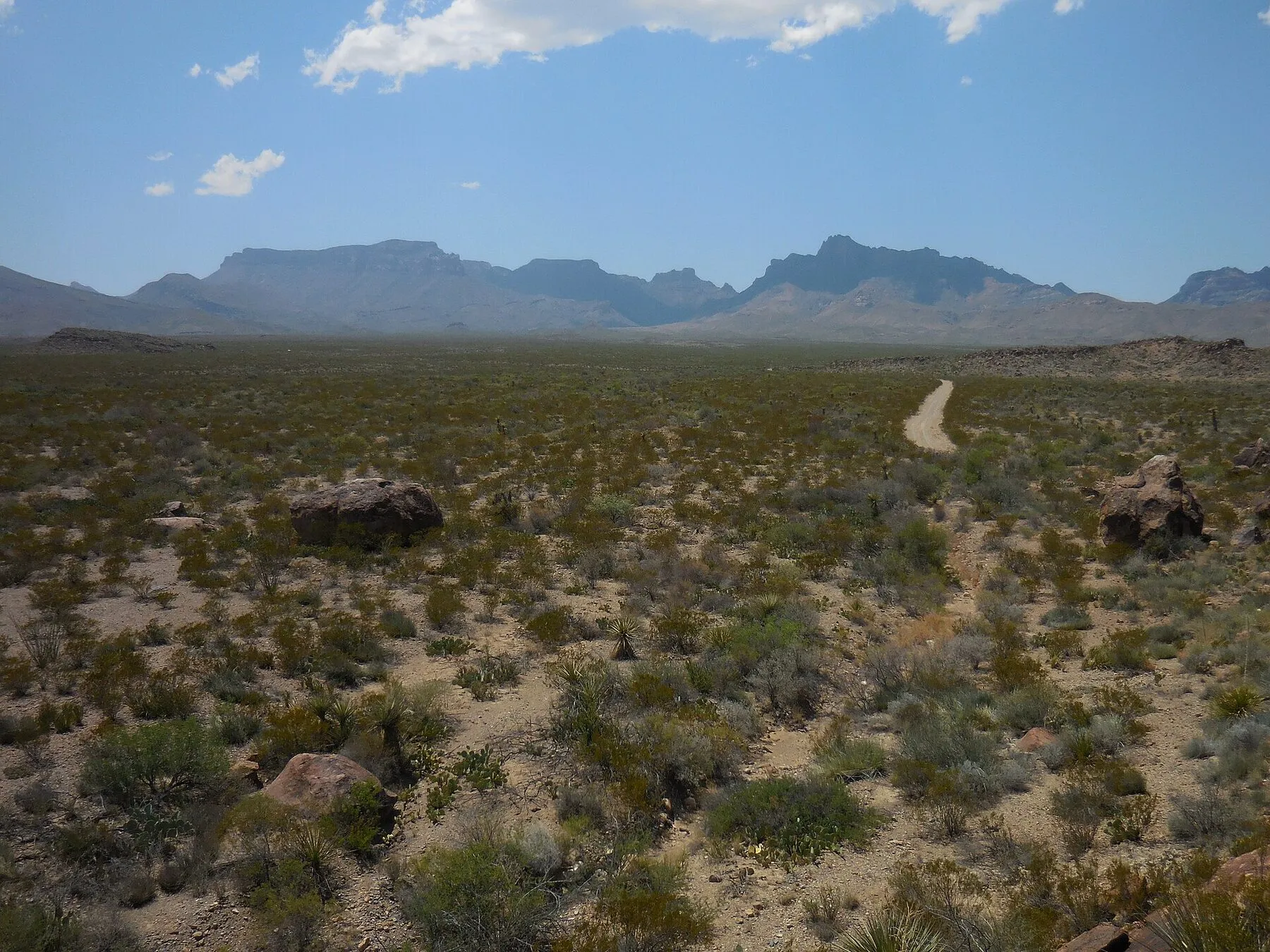
Big Bend National Park: the biggest payoff, but only when you can spare at least three nights.
This ranking starts with the part many road-trip lists skip: how much weekend is left after the drive. A place did not move up just because it is famous. It needed a clear first stop, a useful place to sleep, and enough range for the next morning. Normal day trips were left out. Every route here earns at least one night.
Twelve made the list. The first seven can often fit inside a two-hour drive. The coast and big-city routes ask for more road time, but they give you a fuller second day. The last route is a special case. It offers the most once you arrive, yet it needs more time than a two-night weekend can give.
At a Glance
The top of the ranking, side by side. Scroll sideways on a phone for price and rating.
Ranked routes with drive time, main draw, planning cost, and the traveler each trip fits best.
Desert, mountain, and river country on a true long haul
$30 per vehicle for 7 days
4.8 out of 5
How We Chose Them
This ranking weighs every route against these factors, in order:
1Drive-to-fun ratio. Approximate routing ranges from central Austin were compared with the useful time left after arrival.
2Weekend depth. A strong route needed a main stop, a useful place to sleep, and a second-day plan.
3Friction. Traffic, timed tickets, sellouts, heat, and other snags that can spoil a short trip lowered a route's score.
4Broad appeal. Routes that work for more than one kind of traveler scored well when they still had a clear point of view.
Access, fees, hours, reservation rules, and official visitor guidance were rechecked against first-party sources on August 24, 2026. Drive windows are planning estimates, not promises; traffic and weather can add time.
12 Best Weekend Road Trips From Austin, Ranked
Each route assumes at least one night away. Drive windows are approximate planning ranges from central Austin; check traffic before departure.
1
No. 1: Gruene and New Braunfels
New Braunfels★4.7(Editorial route score)★Price: Free to $$
Few routes turn one hour of driving into this many good choices before bed.
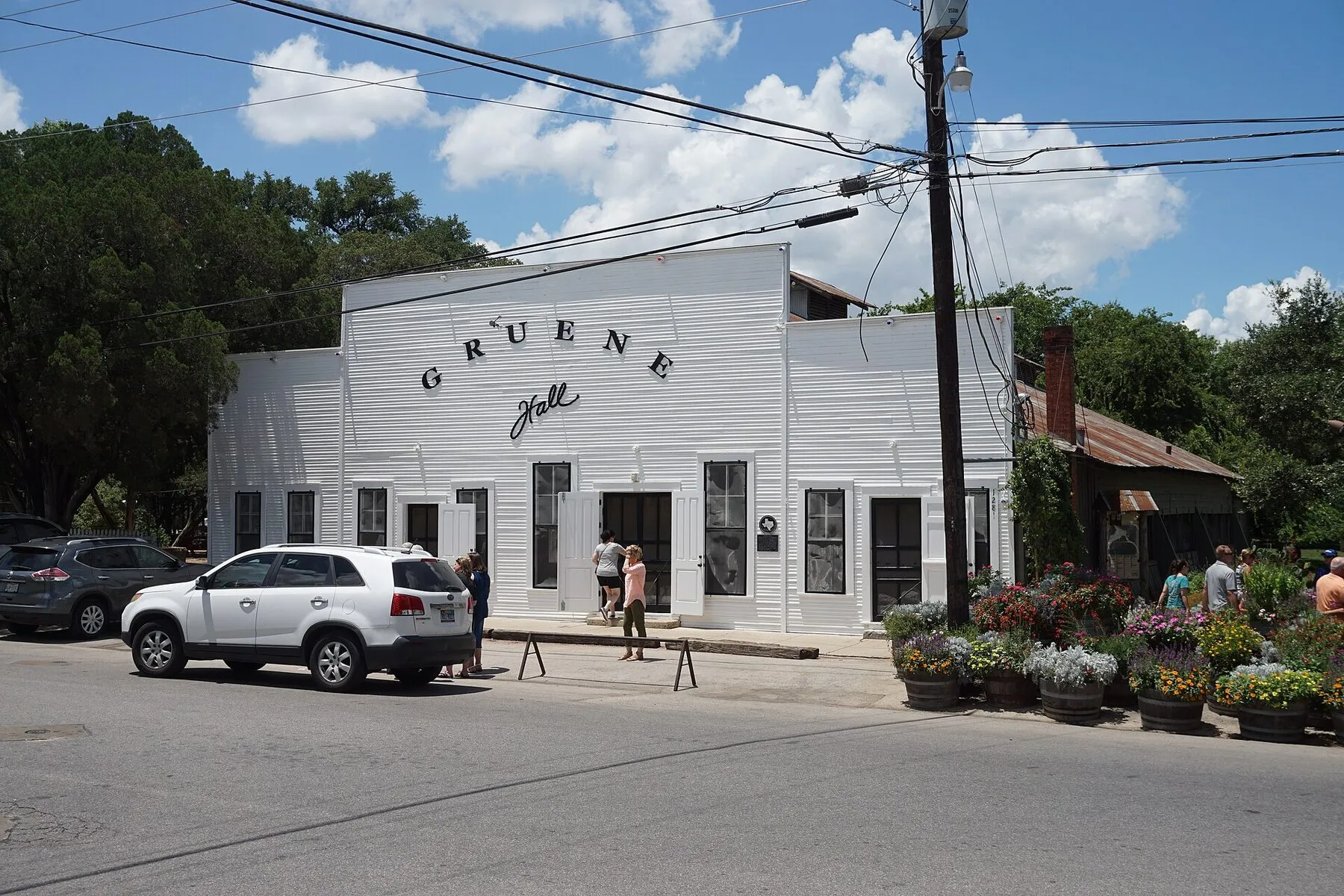
Gruene Hall, built in 1878, anchors this short overnight route with an official calendar of free and ticketed shows. Michael Barera / Wikimedia Commons (CC BY-SA 4.0)
The top route wins by making the math simple. In light traffic, you can leave Austin after lunch and still have time to check in, walk the old district, eat, and hear a full set. That is a rare amount of choice for so little road time. It also keeps most of the night inside one small area, so you do not spend the trip moving the car.
The dance hall dates to 1878 and still posts a mix of free and paid shows. Check the age rule and door time before you buy. During warm months, add a river float or a few hours at Landa Park the next day. In cooler weather, use the shops, a bakery stop, and a walk by the river instead.
Book a room near the old district if music is the main point. Stay closer to central town if the river comes first. On summer Fridays, leave Austin before the main rush. The short drive is the route’s best feature, and traffic can take that edge away.
Best for: friends or couples who want a real night out without losing Friday to the drive.
How it scored
Drive-to-fun ratio
5.0 out of 5
Weekend depth
4.8 out of 5
Friction
4.2 out of 5
Broad appeal
4.8 out of 5
Key facts
Drive from Austin
50-80 min
Signature stop
Gruene Hall
Price
Many shows are free; ticketed shows vary
Book ahead
A room and any ticketed night show
Stay
Gruene for walking or central New Braunfels for choice
Pros
The shortest drive on the list with a full night plan
Music, river time, food, and shops sit close together
Works in most months with a weather backup
Cons
Summer weekends bring traffic and packed river access
Wimberley★4.6(Editorial route score)★Price: From $15 to swim
This is the close, low-mile reset that still feels like a trip once the day crowd leaves.
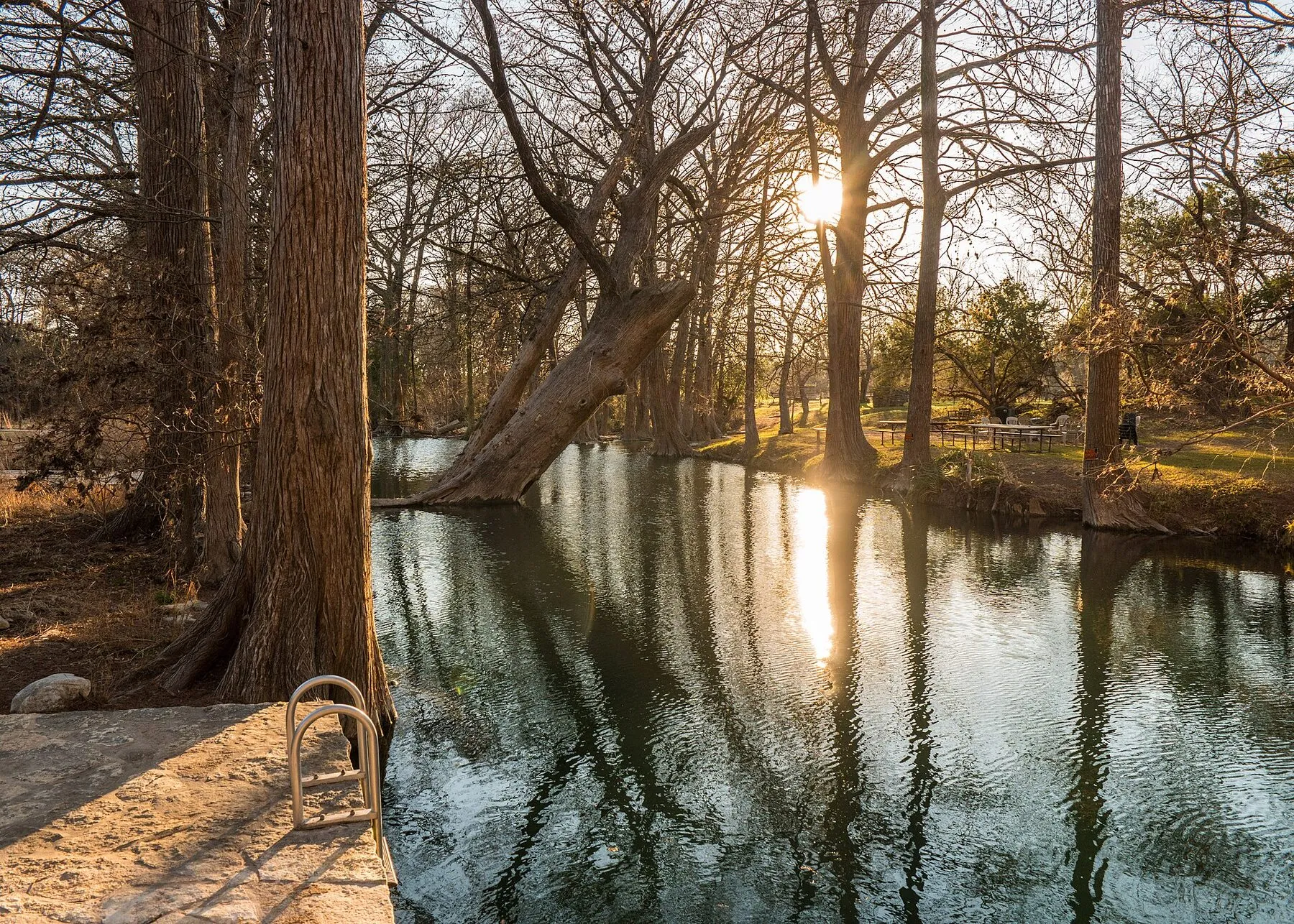
Blue Hole's seasonal, reservation-only swim area is the centerpiece of a warm-weather Wimberley weekend. Nan Palmero / Wikimedia Commons (CC BY 2.0)
This is the easiest route for people who want a change of pace more than a long list. The drive can take under an hour. Once the day crowd leaves, the town settles down fast. That makes the overnight matter. You get the swim and the square, but you also get a calm dinner and coffee before the next wave of cars arrives.
The swim season begins May 1, and the city posts the available half-day sessions on its current reservation calendar. A reservation is required. The rest of the regional park has trails and open space, but the water is the reason to plan this route in summer. Closures can still happen because of lightning, water quality, or low flow, so recheck the city page before leaving.
Take the morning or afternoon swim slot based on your room check-in time. Do not build the weekend around an unbooked swim. Outside the main season, the route still works for a cabin, a walk, and time on the square, but it becomes a much softer trip.
Plan this first: lock in the swim time before paying for a room in warm months.
How it scored
Drive-to-fun ratio
4.9 out of 5
Weekend depth
4.3 out of 5
Friction
4.3 out of 5
Broad appeal
4.6 out of 5
Key facts
Drive from Austin
45-70 min
Signature stop
Blue Hole Regional Park
Swim season
Season begins May 1; check current calendar
Book ahead
A swim slot and a room
Stay
Near the square or along a county road outside town
Pros
Very little drive time for an overnight change of pace
Fredericksburg★4.8(Editorial route score)★Price: $8 adult park entry
The hike gives the weekend a purpose, and town keeps the trip from ending at the trailhead.
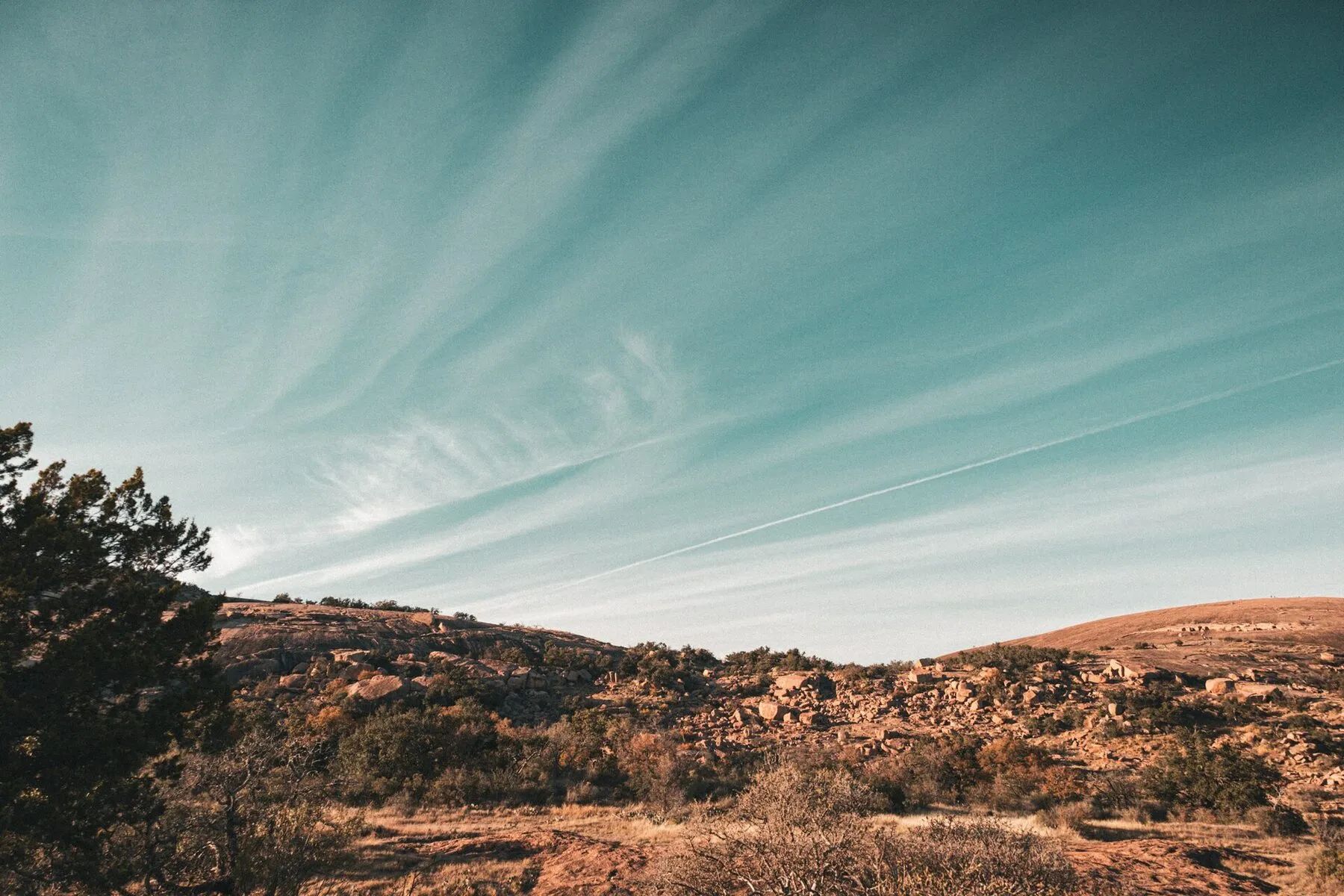
The exposed granite dome is best planned around heat, weather, and a reserved day-use pass. Ligocsicnarf89 / Wikimedia Commons (CC BY 4.0)
This route has the best split between effort and ease. The first day can center on a real hike. After that, one of the state’s largest groups of guesthouses, inns, and small hotels gives you room to recover. The park has nearly 21 miles of trails now, so repeat visitors can move past the main summit and try the newer backcountry area.
The main dome rises 425 feet above the ground around it. It has little shade, and wet rock can close the summit trail. A day-pass booking is the key step. Busy weekends and holidays can sell out, and the park may close to people who arrive without one. Carry enough drinking water for the exposed route and current conditions.
Take the earliest pass you can in hot weather. Sleep in town, not in the park, unless tent camping is part of the goal. The room choice is much wider there, and the short ride back after the hike is easier than trying to force the whole trip into one long day.
Do not wing it: a state parks pass covers entry fees, but it does not hold a day-pass slot.
How it scored
Drive-to-fun ratio
4.7 out of 5
Weekend depth
4.9 out of 5
Friction
4.1 out of 5
Broad appeal
4.7 out of 5
Key facts
Drive from Austin
1 hr 30 min to 1 hr 55 min
Signature stop
Enchanted Rock State Natural Area
Park hours
Daily, 6:30a-10p
Book ahead
A day pass, mainly on weekends and holidays
Stay
Fredericksburg, about 20 minutes from the park
Pros
A clear outdoor goal followed by many room and dinner choices
Nearly 21 miles of trails after a recent backcountry expansion
Strong in fall, winter, and spring
Cons
The park can turn away people without a day-pass booking
The summit is exposed and can close in wet weather
San Antonio★4.8(Editorial route score)★Price: Free park entry
A free, focused history route makes a better first day than another lap around the busiest downtown blocks.
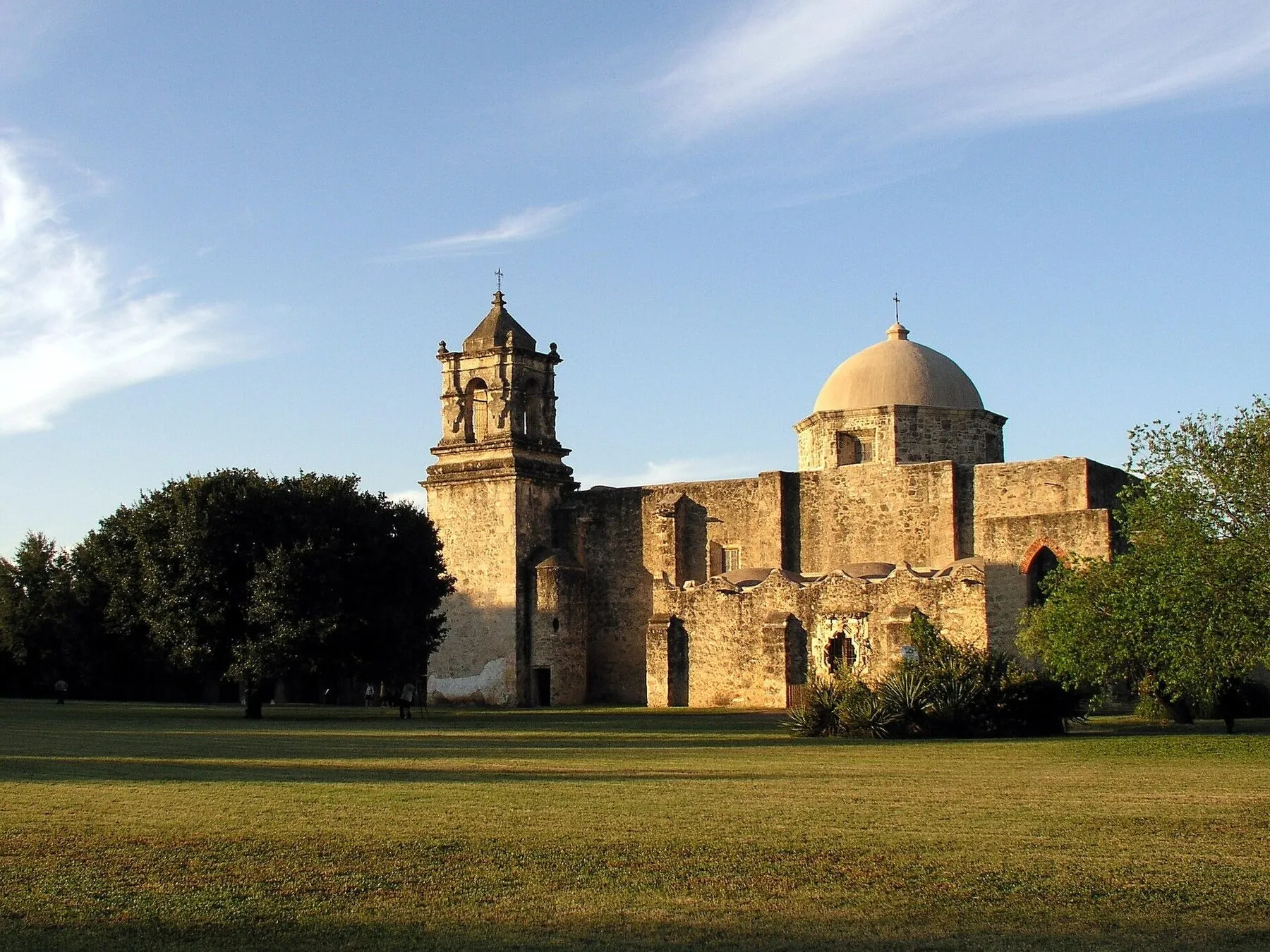
Four mission sites and their river corridor form a free, focused first day south of downtown San Antonio. National Park Service (Public domain)
The smart first day here runs south of downtown. Four mission communities make up the national park, and a river trail links them back toward the city. Start at the main visitor center, see the short film, then choose two or three more sites based on your time and the heat. The grounds are free, so the only real cost is the room and food.
Park grounds open early, while the main visitor center and church keep shorter hours. A bike can connect the sites, but the full ride is a poor summer-afternoon plan for many people. Driving between them is easy and lets you save your legs for dinner. The restored churches remain active places of worship, so enter with the same care you would use at a local church.
Stay in Southtown if you want a shorter ride to the mission trail and good food at night. First-time visitors may still prefer downtown. Either way, do the history loop before check-in and leave the busier river walk for later.
Best first stop: use the main visitor center to get a map and pick the right number of mission sites for your day.
How it scored
Drive-to-fun ratio
4.6 out of 5
Weekend depth
5.0 out of 5
Friction
4.0 out of 5
Broad appeal
4.8 out of 5
Key facts
Drive from Austin
1 hr 20 min to 1 hr 50 min
Signature stop
Mission San Jose visitor center
Price
Free park entry
Park grounds
Daily, 6a-8p
Stay
Southtown for food or downtown for first-time visits
Pros
Four linked mission sites give the first day real shape
Park entry and parking at the missions are free
The city adds strong food and hotel choices
Cons
Interstate 35 traffic can erase the short-drive edge
Burnet★4.8(Editorial route score)★Price: Free grounds; paid cavern tour
A cool cave, a short drive, and a nearby lake make this one of the safer bets in hot weather.
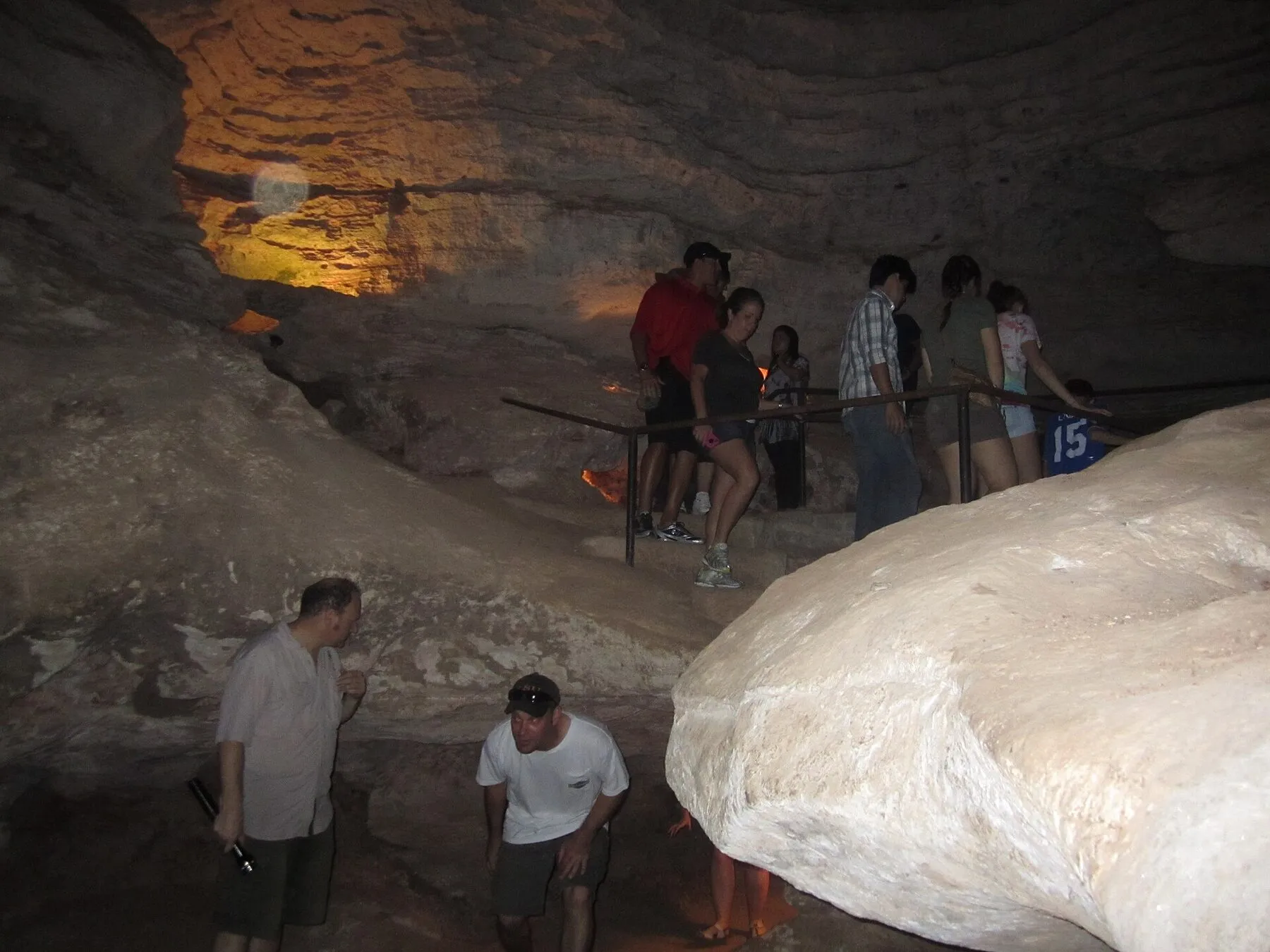
Present-day cavern access is by paid guided tour; the state-park grounds remain free to enter. Billy Hathorn / Wikimedia Commons (CC BY 3.0)
This route is short enough for a late start, but the cave tour gives it the order of a bigger trip. The park grounds are free. The cavern itself is open by paid guided tour, so that booking sets the clock. Civilian Conservation Corps crews cleared debris and built the stone stairs and park buildings in the 1930s. Their work is part of what you see above and below ground.
The park has trails and picnic space, but it is day-use only. That is a useful limit, not a flaw. It pushes the night toward a lake cabin, a town hotel, or a reserved campsite nearby. Inks Lake is the easy second-day match. Marble Falls gives you more dinner and room choices if camping is not the point.
Book the cave tour before the room because tour times can shape the whole day. Wear shoes with grip and expect steps. If stairs or tight spaces are a concern, call before you go and ask which tour fits. Do not count on walking up to the exact time you want.
Best for: families that need one firm activity and a weather-safe plan.
How it scored
Drive-to-fun ratio
4.7 out of 5
Weekend depth
4.4 out of 5
Friction
4.4 out of 5
Broad appeal
4.7 out of 5
Key facts
Drive from Austin
1 hr 5 min to 1 hr 30 min
Signature stop
Longhorn Cavern State Park
Price
Park grounds are free; cave tours cost extra
Book ahead
The guided cavern tour
Stay
Marble Falls, Burnet, or a reserved site at Inks Lake
Pros
The main activity is indoors and easy to plan around
Nearby lakes add a second day without another long drive
Waco★4.7(Editorial route score)★Price: $6 adult shelter tour
The fossil site is compact, clear, and far more useful as a weekend anchor than a loose list of shops.
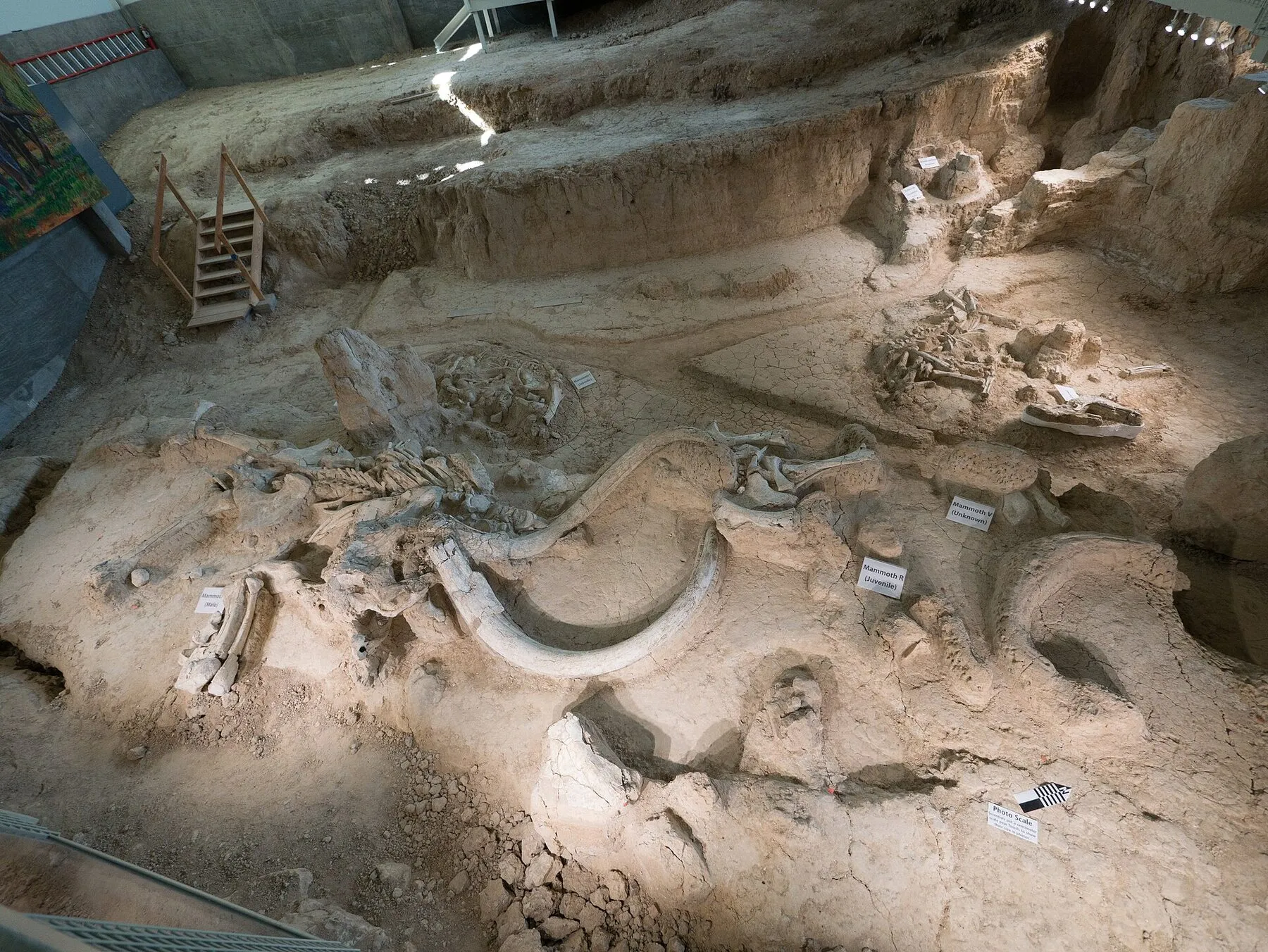
The monument's ticketed Dig Shelter protects Columbian mammoth fossils where they were uncovered. Jay Galvin / Wikimedia Commons (CC BY-SA 4.0)
The fossil site fixes the main weakness of many short city breaks. It gives the trip one thing everyone can name before leaving home. A ticket admits visitors to the Dig Shelter, where Columbian mammoth fossils remain in place in the bone bed. The roofed shelter makes the site easier to use when open ground would be uncomfortable.
That is not enough for a full weekend by itself. Pair it with a river walk, a second museum, or a meal and market stop in town. The point is to use one strong, checked site as the center, then keep the rest loose. Families get a clear start without having to move between five ticketed places.
The monument is open 9 a.m. to 5 p.m.; arrive with enough time to buy Dig Shelter admission and read the current accessibility guidance. If Interstate 35 is already backed up, stop for food before the final push rather than turning a compact monument visit into a race against closing time.
Use it as the anchor: add one outdoor stop and one food stop rather than stretching the compact monument into a full day.
How it scored
Drive-to-fun ratio
4.4 out of 5
Weekend depth
4.5 out of 5
Friction
4.4 out of 5
Broad appeal
4.6 out of 5
Key facts
Drive from Austin
1 hr 35 min to 2 hr
Signature stop
Waco Mammoth National Monument
Hours
Daily, 9a-5p
Dig Shelter admission
Ticket required; adults $6
Stay
Downtown or near the Brazos River
Pros
The dig shelter works for kids and adults
Most of the tour is in a climate-controlled space
The city has enough food, museums, and trails for an overnight
Cons
The monument is compact, so add a second Waco stop
Washington★4.7(Editorial route score)★Price: $10 adult site entry
The new museum and townsite give this quiet route more weight than it had two years ago.
The historic site's more than 300-acre setting now includes a redesigned museum and living-history experiences. William L. Farr / Wikimedia Commons (CC BY-SA 4.0)
This route has changed enough to earn a fresh look. A major redevelopment added a redesigned museum, visitor center, and living-history townsite focused on the people and politics of the Texas Republic. That added depth is why the route makes the list now.
The campus spreads across more than 300 acres. Grounds are open daily, while the museum and living-history programs currently run Wednesday through Sunday, 10 a.m. to 4:30 p.m. Leave room for weather and check the official ticket page before departure. The setting is quiet, and the history asks for more attention than a quick photo stop.
Sleep in Brenham, where the room and dinner choices are easier. Go to the site before lunch, then use the late afternoon for the drive into town. This route fits readers who want a low-key night. It is not the right choice for a packed bar list or a dense shopping day.
Why it moved up: the redesigned museum and living-history townsite make older trip reports a poor guide to the current visit.
How it scored
Drive-to-fun ratio
4.2 out of 5
Weekend depth
4.2 out of 5
Friction
4.5 out of 5
Broad appeal
4.1 out of 5
Key facts
Drive from Austin
1 hr 45 min to 2 hr 10 min
Signature stop
Washington-on-the-Brazos State Historic Site
Living-history hours
Wednesday-Sunday, 10a-4:30p
Price
$10 adult; lower rates for some children and groups
Stay
Brenham for more rooms and food
Pros
New museum spaces and a rebuilt townsite add real depth
Fort Worth★4.8(Editorial route score)★Price: Free to $$$
The drive is longer, but the route can run from the first cattle call through a late show without moving the car.
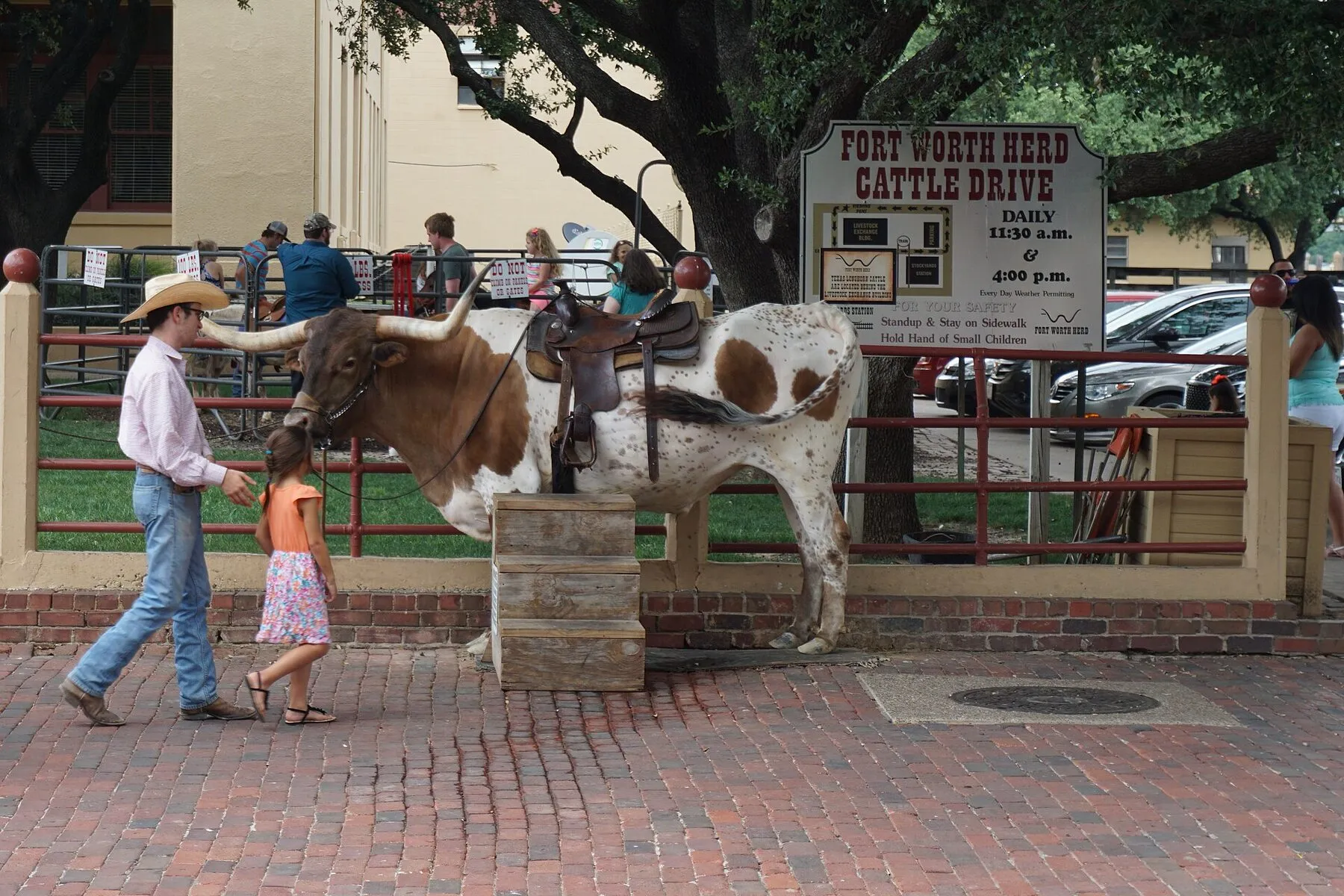
The free cattle drive is scheduled twice daily, weather permitting, and works best as one part of a Stockyards overnight. Michael Barera / Wikimedia Commons (CC BY-SA 4.0)
The big draw happens twice a day at 11:30 a.m. and 4 p.m., as long as the weather allows. That fixed time is useful on a road trip. It tells you when to leave Austin and gives the first day a clear center. The district can then carry dinner, live music, a show, and the next morning without another cross-town drive.
Keep the scale honest. The cattle walk is short. It should open the weekend, not stand in for the whole trip. The old livestock district has museums, shops, bars, and paid shows, but some blocks lean hard into souvenir trade. Pick two things you care about and skip the rest.
Stay inside or next to the district if the price works. Parking once is the best way to make the long drive pay off. If you sleep elsewhere, check event traffic before you return at night. For a quieter second day, move west toward the art museums rather than repeating the same busy blocks.
Set expectations: the free cattle drive is brief; pair it with a museum, rodeo, or night show.
How it scored
Drive-to-fun ratio
4.0 out of 5
Weekend depth
4.8 out of 5
Friction
3.8 out of 5
Broad appeal
4.4 out of 5
Key facts
Drive from Austin
2 hr 45 min to 3 hr 20 min
Signature stop
Fort Worth Herd cattle drive
Cattle drive
Daily at 11:30a and 4p, weather permitting
Price
Cattle drive is free; shows and parking vary
Stay
In the district to park once
Pros
A clear event schedule makes the first day easy to plan
Food, shops, bars, and shows sit in one district
The free cattle drive gives the trip a useful anchor
Cons
The cattle drive is short compared with the drive from Austin
This is the right Houston route when one major stop matters more than checking boxes across town.
A single deep museum visit makes a more workable Houston road trip than a cross-town checklist. Michael Barera / Wikimedia Commons (CC BY-SA 4.0)
Houston becomes a cleaner road trip when you stop trying to cover all of it. Build the first day around the space museum and its working NASA links. General admission uses a timed entry. The large indoor floor, aircraft, and tram options can hold several hours, so you do not need to add another ticket before dinner.
Read the tram terms before you choose the entry time. Tram capacity can fill, and access to working federal sites can change without notice. Weekends, holidays, and summer bring the largest crowds. The museum advises early arrival during busy periods, which matters more after a long drive.
Stay near Clear Lake if the museum is the main point. A central hotel gives you more dinner choices but adds another long round of traffic. On the drive home, leave after the morning rush or wait until after lunch. This route ranks below the shorter city trips because a bad traffic window can eat a full hour.
Keep Houston small: choose the museum plus one dinner area, not a cross-town checklist.
How it scored
Drive-to-fun ratio
3.9 out of 5
Weekend depth
4.6 out of 5
Friction
3.7 out of 5
Broad appeal
4.7 out of 5
Key facts
Drive from Austin
2 hr 50 min to 3 hr 30 min
Signature stop
Space Center Houston
Entry
Timed general admission
Tram warning
Capacity and working-site access can change
Stay
Clear Lake for less driving or central Houston for dinner
Pros
One site can fill most of a day
The main exhibits work in bad weather
Timed entry gives the route a firm start
Cons
Traffic can stretch the drive well past three hours
Tram capacity can fill and working-site access can change
Port Aransas★4.6(Editorial route score)★Price: $7 adult park entry
This is the better coast choice for sand time, a simple camp, and fewer city errands.
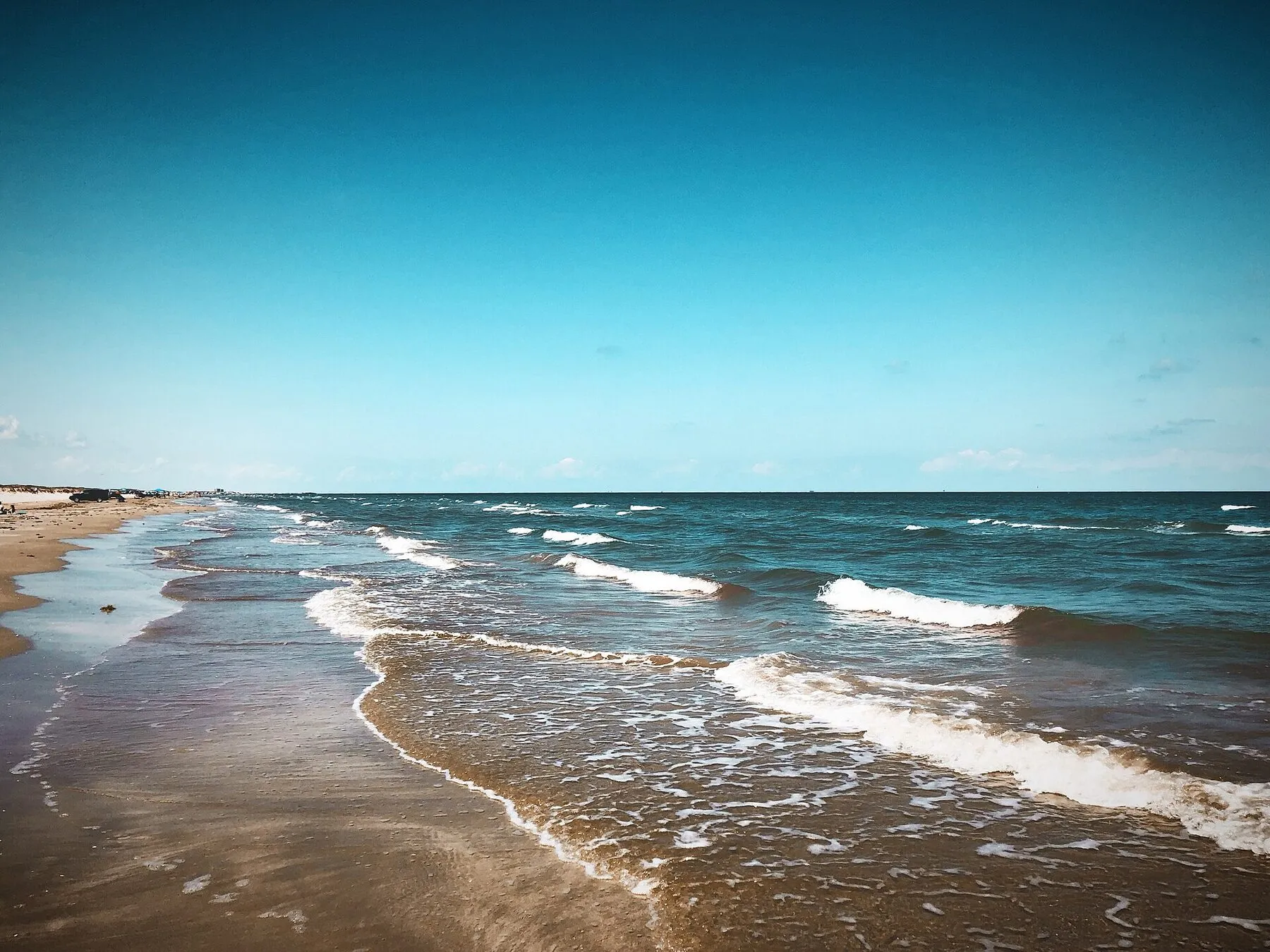
More than five miles of coastline, campsites, and paddling trails make the state park a practical Coastal Bend base. Jonathan Cutrer / Wikimedia Commons (CC BY 2.0)
The quieter coast route works best when the state park is home base, not a side stop. It has more than five miles of shoreline, paddling water, and both electric and primitive camping. That gives you a simple first day. Set up, walk the beach, then decide if dinner in town is worth leaving the sand.
Reserve day entry even if you are not camping; the park warns that it often reaches capacity. Campsites should also be booked before departure. Current posted hours are 8 a.m. to 5 p.m., so recheck the official park page when planning a late arrival.
Summer traffic onto the island can break the posted window. Leave Austin early, carry water, and check surf and storm conditions before you go. A rental in town fits people who want restaurants and a bed. A park campsite fits readers who care more about the first walk at sunrise than the last drink at night.
Best for: campers and beach-first travelers who do not need a full city schedule.
How it scored
Drive-to-fun ratio
3.8 out of 5
Weekend depth
4.7 out of 5
Friction
3.6 out of 5
Broad appeal
4.5 out of 5
Key facts
Drive from Austin
3 hr 35 min to 4 hr 20 min
Signature stop
Mustang Island State Park
Current park hours
Daily, 8a-5p; verify before departure
Book ahead
Day entry and any campsite
Stay
Park campsite or Port Aransas rental
Pros
Five miles of coast inside the state park
Camping and paddling support a real two-day plan
Port Aransas adds food without turning the route into a city trip
Galveston★4.6(Editorial route score)★Price: $5 adult park entry
It asks for more traffic patience, then pays it back with two kinds of water and more rainy-day options than the other coast route.
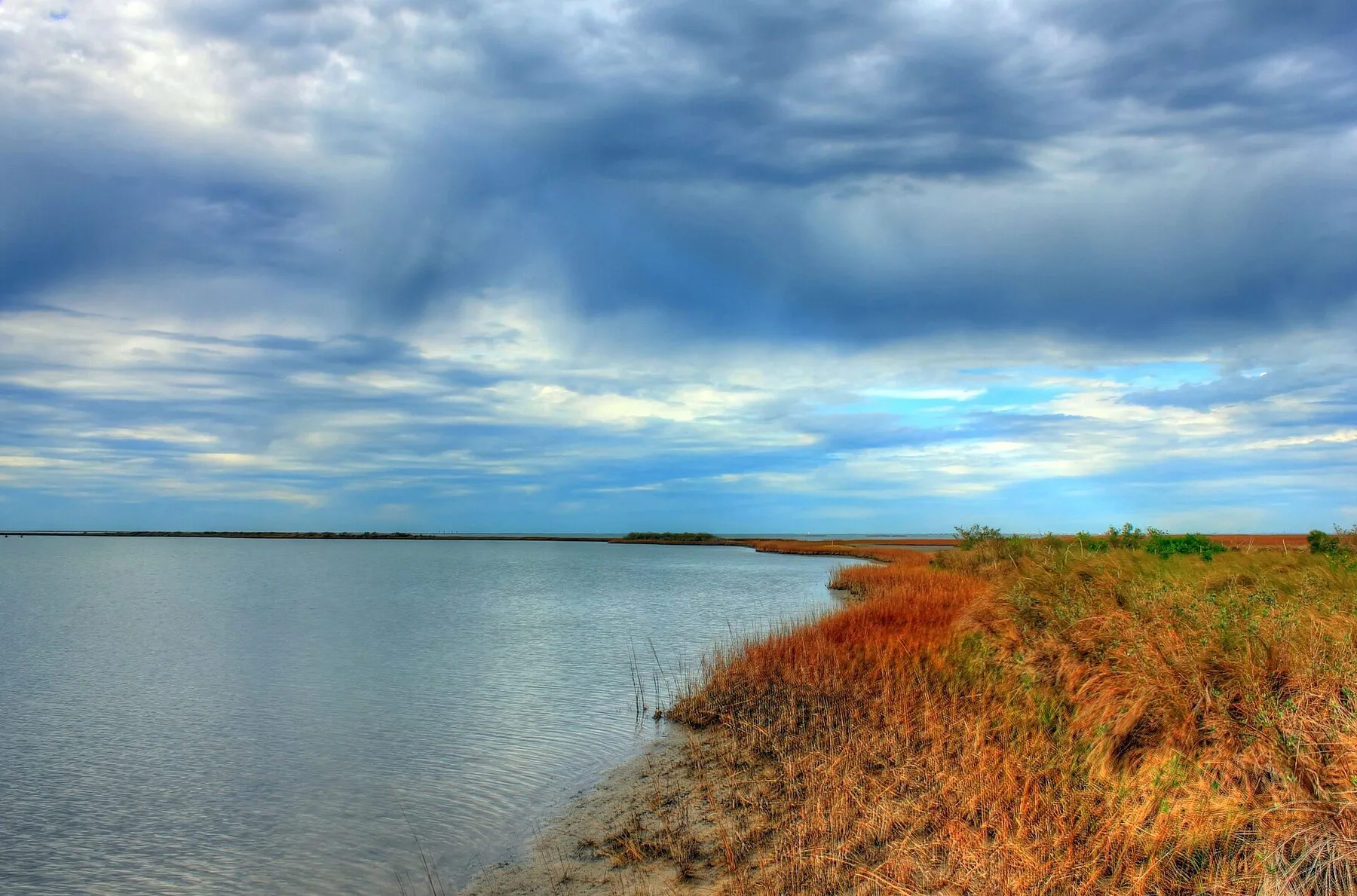
Beach and bay sides give the park two different outdoor plans when Gulf conditions change. Yinan Chen / Wikimedia Commons (Public domain)
This coast route gives you more backup plans. The state park has both Gulf and bay sides, four miles of trails, paddling routes, campsites, and small lodges. If the surf is rough, the bay, bird blinds, and trails can still work. If rain settles in, the city has museums and indoor stops that the quieter coast route cannot match.
The trade is traffic. You cross greater Houston, then deal with island roads. The park often reaches capacity during its March-through-October busy season and asks guests to reserve day entry. Camping and rooms can fill earlier. Make that booking before building a food and museum list.
Stay on the west end or in the park if nature is first. A room closer to the old city core makes meals and indoor stops easier, but it adds daily driving. Try to reach the island before the late Friday rush. On Sunday, eat an early lunch and leave before the main line forms.
Weather backup: the bay side, trails, and city museums keep one rough surf day from wasting the trip.
How it scored
Drive-to-fun ratio
3.7 out of 5
Weekend depth
4.7 out of 5
Friction
3.4 out of 5
Broad appeal
4.6 out of 5
Key facts
Drive from Austin
3 hr 30 min to 4 hr 10 min
Signature stop
Galveston Island State Park
Price
$5 adult; children 12 and under are free
Book ahead
Day entry and lodging, mainly March through October
Stay
In-park site or west end rental for less island traffic
Pros
Beach and bay sides support more than one kind of day
The city gives you a backup when beach weather turns
The park has campsites, lodges, and four miles of trails
Cons
Houston and island traffic can both slow the drive
Big Bend National Park★4.8(Editorial route score)★Price: $30 per vehicle for 7 days
No route here gives you more once you arrive, but a two-night weekend is too short for the road it takes.
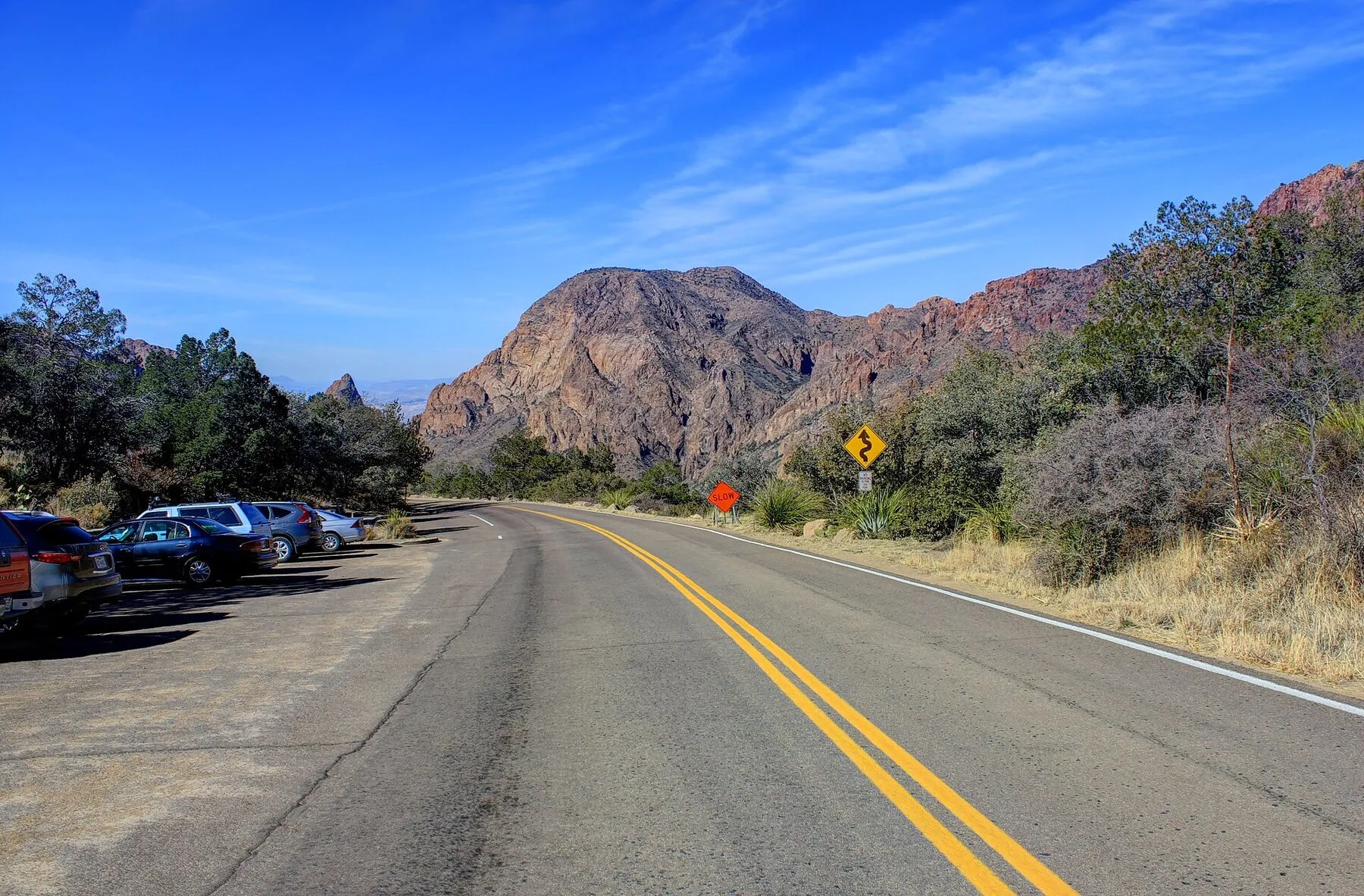
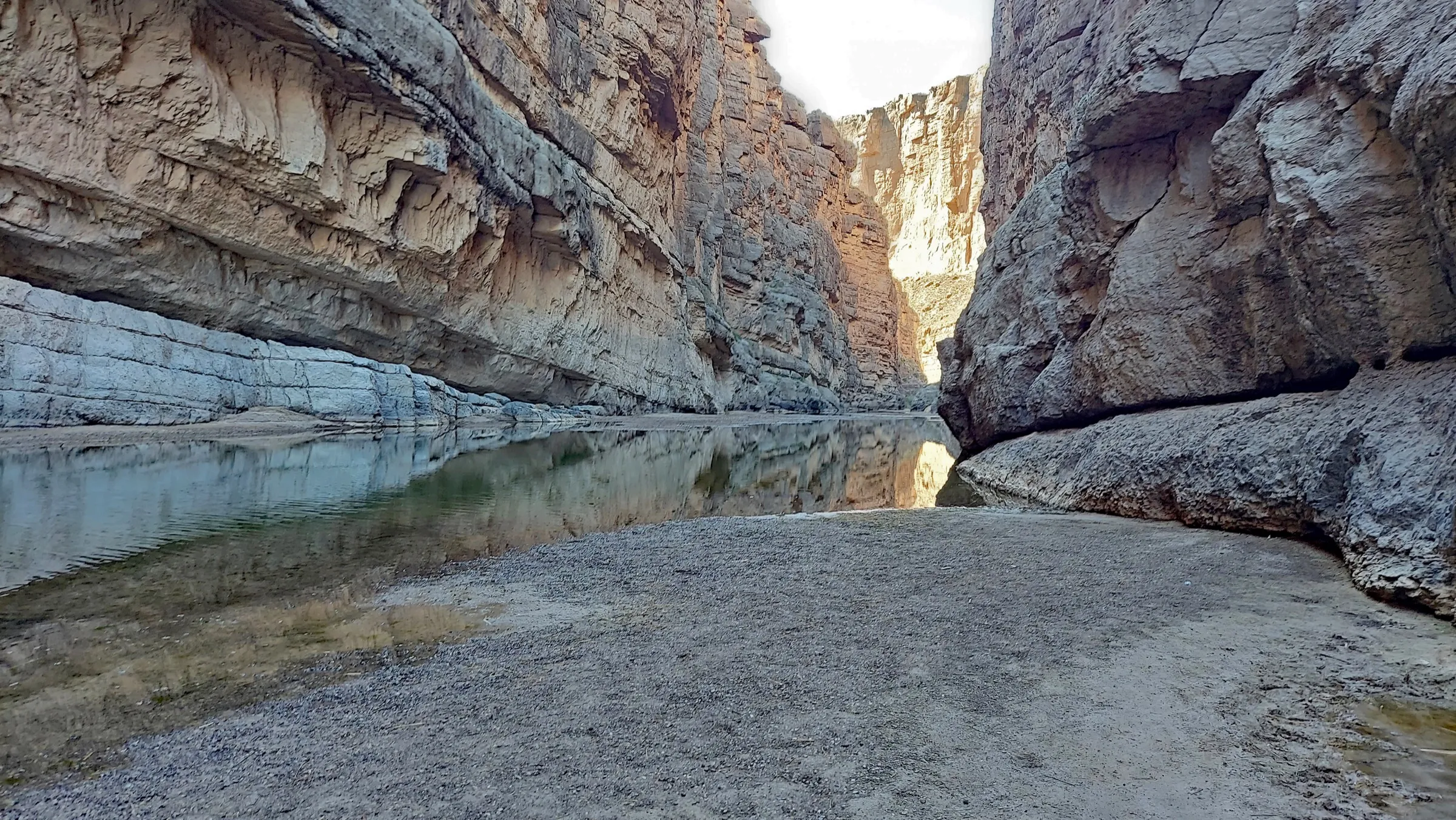
Big Bend offers the largest landscape payoff on this list, but the route needs more than a standard two-night weekend. Yinan Chen / Wikimedia Commons (Public domain)
The last-place rank is about time, not the park. No other route here can match its mix of desert, river, and mountain ground. The problem is the drive: reaching the main visitor center from central Austin consumes most of a day before food, fuel, or rest stops. With only two nights, too much of the weekend disappears behind the windshield.
Give the route three nights at a bare minimum. Four nights lets you use one full day in the mountains and another for the river or a long scenic road. Book every room or campsite before leaving Austin. The park requires campground reservations, nearby overflow is thin, and cell service is weak. Fuel stops also need more thought than they do on any other route here.
The planned Chisos Basin construction closure was canceled, so the area remains open. Conditions can still change, and some primitive roads require high-clearance four-wheel-drive vehicles. Download the park map, read the current conditions page, and keep a paved-road alternative.
Take more time: three nights is the floor from Austin, and four makes the drive far easier to justify.
How it scored
Drive-to-fun ratio
3.1 out of 5
Weekend depth
5.0 out of 5
Friction
3.0 out of 5
Broad appeal
4.0 out of 5
Key facts
Drive from Austin
7 hr 10 min to 8 hr
Signature stop
Panther Junction and the Chisos Basin
Price
$30 per private vehicle, valid 7 days
Book ahead
Every campground or room before leaving Austin
Stay
Inside the park, Terlingua, or Study Butte
Pros
The route has the strongest raw trip value on this list
Desert, river, and mountain plans can fill several days
The planned 2026 Chisos Basin closure was canceled
Cons
One travel day each way crushes a normal weekend
Services, fuel, shade, and cell coverage are limited
Gruene and New Braunfels is the best weekend road trip from Austin for most people. It can take less than an hour from the Texas Capitol in light traffic. You can book a room near the historic district, hear live music at night, and use the next morning for the river or a slow breakfast.
What road trips from Austin are under two hours?
Wimberley, New Braunfels, Burnet, San Antonio, Fredericksburg, Waco, and Washington can all fall under two hours in normal traffic. Friday backups can push some routes over that line. Leave before the late-afternoon rush, and treat the posted drive windows as a plan, not a promise.
Where can I take a one-night road trip from Austin?
Pick Wimberley for a quiet stay, New Braunfels for music, San Antonio for history and food, or Burnet for a cave tour. Each one has a strong main stop and enough nearby rooms to make one night useful. Big Bend is not a one-night route because the drive takes most of a day.
What is the best family road trip from Austin?
Waco is the easiest family road trip to plan around one clear activity. The mammoth fossils remain in place inside a roofed dig shelter, and the monument publishes accessibility information before a visit. New Braunfels and Burnet also work well, but book river access or cave tours before you promise the main event to kids.
Is Big Bend too far for a weekend from Austin?
Big Bend is too far for a normal two-night weekend from Austin. Routing from central Austin to Panther Junction generally consumes most of a day before fuel and food stops. Give it at least three nights, and four is better. Book the room or campsite first because there is no reliable overflow plan near the park.
Sources & Methodology
We used the records, official pages and independent sources listed below to report and verify this guide. No source paid for placement.
–Gruene Hall, official history and event calendar, checked 2026-08-24: https://gruenehall.com/
Diego writes about road trips, state parks and the long empty stretches in between. His guides focus on routes, reservation rules, seasonal closures and practical access details.